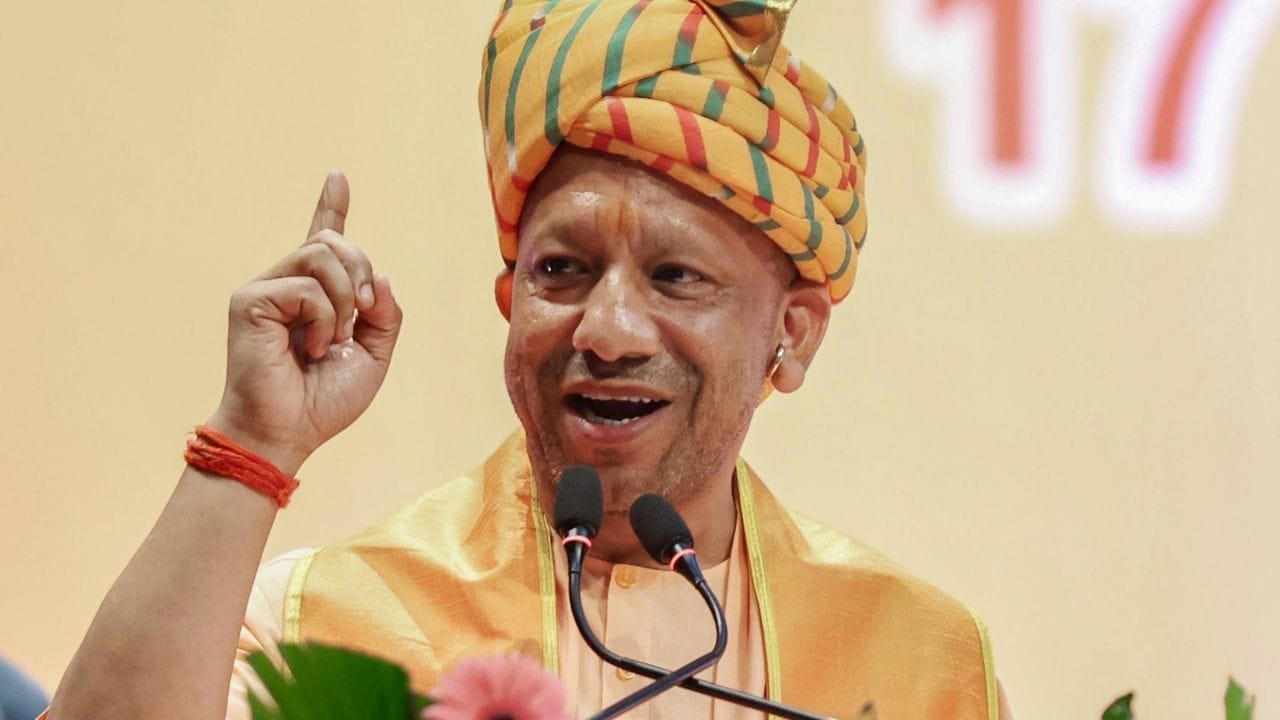
In a move that fundamentally alters the landscape of civil service recruitment, the government of Uttar Pradesh has introduced a rigorous new policy aimed at tightening the criteria for state employment. Announced on October 29, 2026, the policy serves as a definitive statement on the expectations placed upon those seeking to serve in the public sector. At its core, the initiative is designed to ensure that individuals entering government service possess a clean record, free from the entanglements of serious criminal activity or involvement in civil unrest. For the administration led by Yogi Adityanath, this represents a strategic effort to fortify the integrity of the state’s workforce by filtering out candidates whose past actions may pose a security concern.

The criteria for exclusion are comprehensive, targeting a wide spectrum of offenses that the government deems incompatible with public duty. Under the new guidelines, candidates found to have been involved in violent protests are explicitly barred from consideration. Beyond the realm of civil agitation, the policy casts a wide net over serious criminal conduct. This includes, but is not limited to, charges related to murder and rape, as well as systemic threats to the integrity of public institutions, such as paper leaks, examination malpractice rackets, and cyber fraud. By codifying these disqualifications, the state is signaling a zero-tolerance approach toward behaviors that undermine the rule of law and the sanctity of public examinations.

The people of West Bengal seek to live with dignity under BJP’s good governance. Tomorrow, I will be visiting Uluberia Dakshin, Haringhata and Bongaon Uttar Assembly constituencies to seek the blessings of the people for @BJP4Bengal. #BengalElections2026 https://t.co/hJA3OEiMjp
The implementation of this policy relies on a robust investigative framework. Applicants are now required to provide full disclosure regarding their criminal history during the recruitment process. This self-reporting is then cross-referenced against a multi-layered verification system. The state has mandated that police verification must be conducted not only in the candidate’s current home district but also in any district where the individual has resided for more than one year during the preceding five-year period. This geographic expansion of the background check process is intended to capture a more complete picture of a candidate’s history, ensuring that mobility does not provide a shield against scrutiny.
This self-reporting is then cross-referenced against a multi-layered verification system.
While the vetting process has become significantly more stringent, the government has also introduced a mechanism to maintain the flow of recruitment for non-sensitive positions. Recognizing that exhaustive character verification can be a time-consuming endeavor, the new rules allow for provisional appointments to be made before the final verification reports are completed. This approach attempts to balance the state's urgent need for personnel with the imperative of security. However, these provisional appointments remain contingent upon the final outcome of the background checks, meaning that any disqualifying information discovered later could result in the immediate termination of the appointment.
The impetus for these changes stems from findings brought forward by a special investigation team. Following an assessment of security concerns, the team highlighted the potential risks associated with the involvement of applicants in illegal activities. The government has framed this decision as a necessary response to these findings, emphasizing that the policy is rooted in the objective of maintaining public order and institutional safety. Officials have been clear in their stance that the move is driven solely by these security considerations, rather than by political or personal motivations. By grounding the policy in the recommendations of an investigative body, the administration seeks to position the shift as a technical, rather than ideological, adjustment to the state's hiring practices.
Concurrent with the recruitment policy, the government also enacted a broader ban on activities related to what it terms "illegal change." While the specifics of this mandate are broad, it is viewed as part of the same overarching strategy to stabilize the administrative and social environment within Uttar Pradesh. By linking recruitment standards to a wider crackdown on illicit activities, the government is attempting to create a cohesive environment where the criteria for state employment align with the broader legal and security objectives of the region. As it stands, the policy marks a significant departure from previous norms, placing the onus of character and conduct squarely on the shoulders of those who aspire to join the ranks of the state’s civil servants.