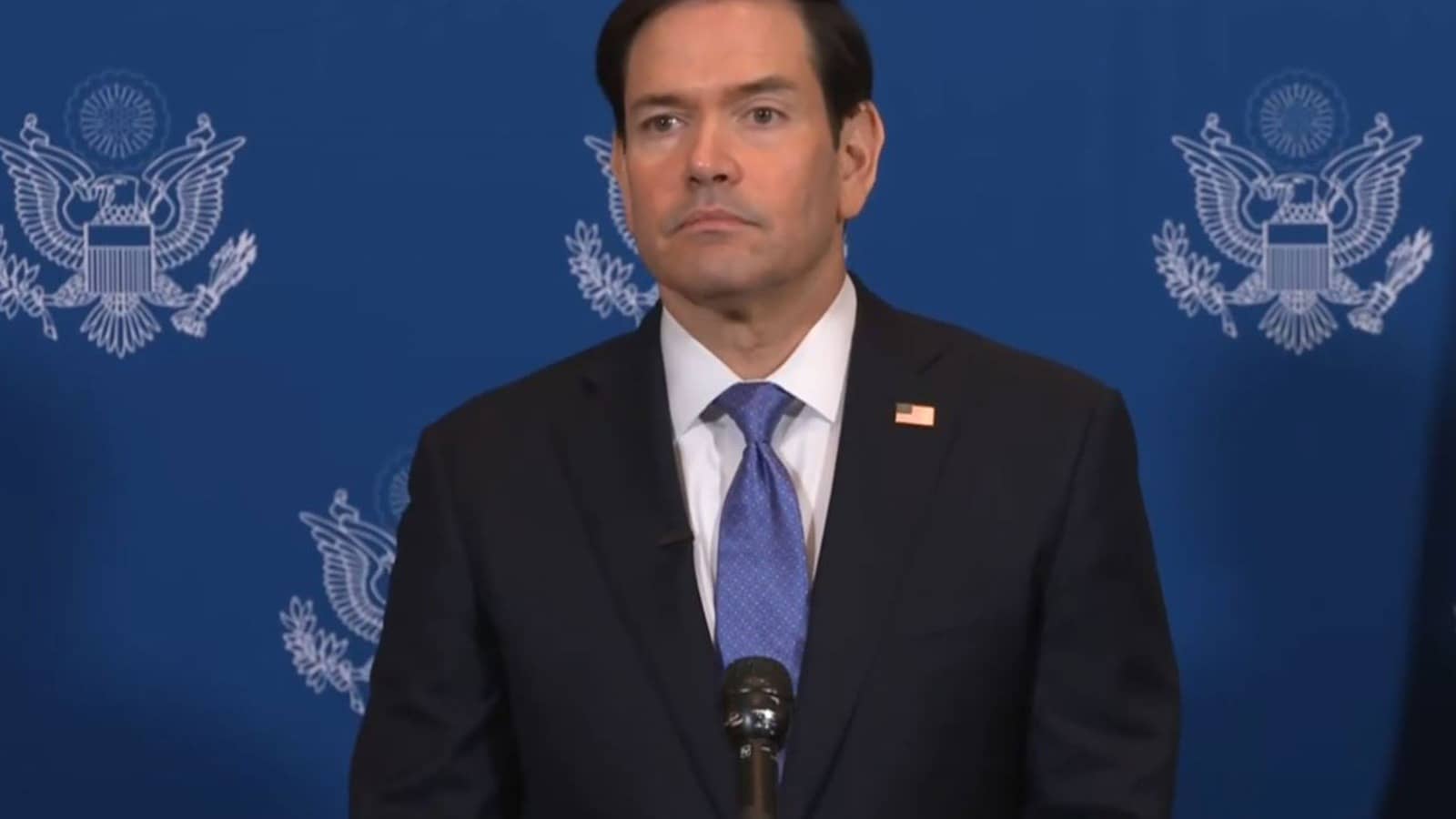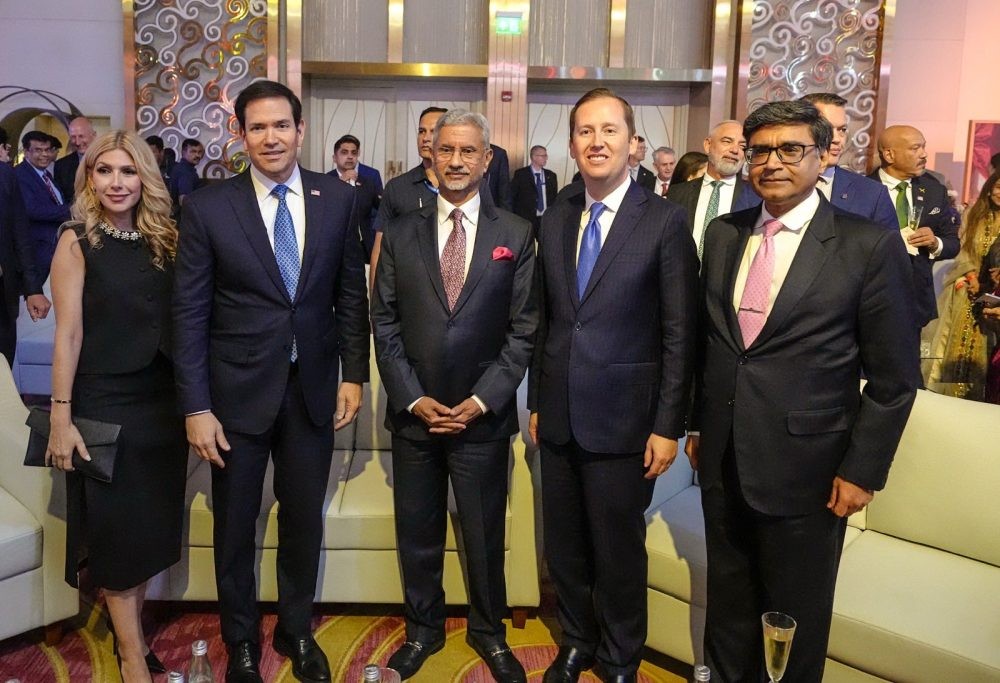
On October 21, 2026, US Secretary of State Marco Rubio found himself at the center of a diplomatic firestorm, his words echoing through the halls of the United Nations and beyond. The occasion? A series of protests in India demanding the resignation of Chief Election Commissioner Gyanesh Kumar, known as the CJP protests. But Rubio’s focus wasn’t on the protests themselves—it was on who was talking about them. ## The Oxymoron Remark

Rubio didn’t mince words when addressing the role of UN experts. “Oh, UN experts, my favourite,” he quipped. “The UN experts are the oxymoron.” The remark, delivered with a mix of sarcasm and disdain, was a direct challenge to the credibility of the UN’s special rapporteurs, who had criticized India’s handling of the protests. For Rubio, the term ‘UN experts’ was a contradiction in terms, a label he seemed to find more amusing than authoritative. This wasn’t the first time Rubio had taken aim at the UN. His skepticism toward the organization’s expertise had become a recurring theme in his public statements, but this time, it came with a specific context: India’s internal affairs. ## A Domestic Matter
When pressed on the CJP protests, Rubio was unequivocal. “It is a domestic political matter,” he declared. “I am not going to comment on it. This is a democracy, they have elections here. I am not going to opine on their domestic, political matters. We have protests every day in the US.” His stance was clear: India’s protests were an internal issue, and the US had no business interfering. This position aligned with India’s own defense of its sovereignty. At the UN Assembly, Indian diplomat Barkha Tamrakar had staunchly defended her country’s constitutional safeguards and human rights protections. “India is a vibrant democracy anchored in the rule of law,” she asserted, rejecting the notion that human rights concerns should be used as a political tool. ## The Protests in Focus
## India’s Defense India’s response to the UN’s criticism was swift and firm.
The CJP protests, fueled by demands for the resignation of Gyanesh Kumar, had drawn international attention. Protesters demanded his resignation, and the demonstrations had drawn international attention, with UN experts expressing concern over the government’s response, particularly the use of police force. But for Rubio, the protests were a quintessential example of democratic discourse—messy, contentious, but ultimately a matter for Indians to resolve. He drew a sharp contrast with countries like Cuba, where dissent was often met with repression. “We have protests every day in the US,” he noted, implying that such expressions of discontent were a hallmark of healthy democracies. ## India’s Defense
India’s response to the UN’s criticism was swift and firm. The government rejected the concerns raised by UN special rapporteurs, arguing that they were based on misinformation and lacked a nuanced understanding of India’s political landscape. “Human rights should not be used as a tool for political pressure,” Tamrakar stated, echoing a sentiment shared by many in the Indian establishment. The country’s leaders viewed the UN’s involvement as an unwarranted intrusion into its internal affairs, a stance that resonated with Rubio’s own perspective. For India, the protests were a test of its democratic institutions, not a crisis requiring international intervention. ## The Broader Implications
Rubio’s comments and India’s response highlighted a broader tension in global politics: the balance between sovereignty and international accountability. While the UN’s role is to uphold human rights and democratic principles worldwide, its interventions often spark debates over national autonomy. Rubio’s dismissal of UN experts as an “oxymoron” underscored his belief that international bodies should tread carefully when addressing domestic issues. It also raised questions about the US’s role in global affairs. By refusing to comment on India’s protests, Rubio signaled a shift toward non-interference in the internal matters of friendly nations, a stance that could have far-reaching implications for US foreign policy. ## Where Things Stand
The intersection of sovereignty, democracy, and human rights remains a contentious issue in global discourse, as highlighted by the recent exchanges between US and Indian officials regarding the CJP protests. Rubio’s remarks have added a new layer to the debate, challenging the authority of UN experts and reaffirming the principle of non-interference. Whether his stance will shape future US-India relations or influence global attitudes toward international institutions remains to be seen. What’s clear, however, is that the intersection of sovereignty, democracy, and human rights will remain a contentious issue in the years to come.