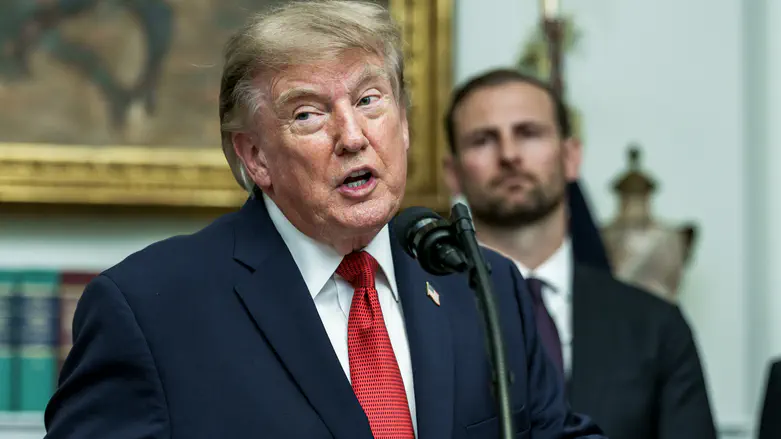
In an unexpected turn of events, President Donald Trump publicly acknowledged that Israel has been providing assistance to Saudi Arabia in its ongoing conflict with the Iranian-backed Houthi rebels. This revelation marks a significant shift in U.S. policy, given the lack of formal diplomatic relations between Jerusalem and Riyadh. During a press conference at the White House, Trump stated, 'Yeah, I do. I think they will. Israel has been very helpful to Saudi Arabia.'

The acknowledgment of Israeli support came just days after a series of devastating missile strikes on Riyadh's King Khalid International Airport. On October 16, 2026, 17 people were killed and 333 were wounded in the attack. The U.S. Embassy in Riyadh issued a security alert, warning of potential further attacks. Saudi-led coalition officials reported continued Houthi missile and drone attacks, with strikes intercepted near Yanbu and the Red Sea. These attacks have intensified the urgency for a resolution to the conflict.

Q: Do you think that Saudi Arabia should accept the help that Israel is offering to fight the Houthi rebels? Trump: Yeah, I do. I think they will. Israel has been very helpful to Saudi Arabia. https://t.co/4WEtYbLBwq
Amidst the chaos, the Abraham Accords, a landmark agreement that normalized relations between Israel and several Arab nations, is now more relevant than ever. Trump linked Saudi Arabia's potential entry into the Abraham Accords to a U.S.-Saudi nuclear cooperation agreement, stating, 'Yeah, I think so. Maybe more than ever. The Abraham Accords is one of our great achievements. But Saudi Arabia is very happy to have Israel's support and our support.'
assistance against the Houthis and was receiving Israeli intelligence through U.
The October 7, 2023, Hamas attack against Israel led to a significant setback in the normalization process. On October 16, 2026, Saudi Arabia suspended the American-backed normalization initiative. However, Trump remained optimistic, noting, 'Yeah, I think so. Maybe more than ever. The Abraham Accords is one of our great achievements. But Saudi Arabia is very happy to have Israel's support and our support.'

🇺🇸🇮🇱🇸🇦 TRUMP: ISRAEL HELPING SAUDI ARABIA FIGHT HOUTHIS — ABRAHAM ACCORDS BACK ON THE TABLE Trump: “Israel has been very helpful to Saudi Arabia.” Amid deadly Houthi attacks, Trump backs Israeli assistance to Riyadh. On Saudi-Israel normalization: “Yeah, I think so, maybe more than ever.”
Trump’s comments also highlighted the role of the U.S. in mediating between Israel and Saudi Arabia. He noted that Saudi Arabia had sought U.S. assistance against the Houthis and was receiving Israeli intelligence through U.S. Central Command. This cooperation underscores the complex web of alliances and interests in the Middle East.
As the situation in the region continues to evolve, Trump emphasized the importance of Saudi Arabia joining the Abraham Accords. He stated, 'I just say that in order to do it, they have to be a member of the Abraham Accords, which have been very successful. But it's time now that they do it.' This statement reflects the U.S. administration’s continued focus on promoting regional stability and security.

Trump says Israel has been “very helpful to Saudi Arabia” against the Houthis. Asked today whether Saudi-Israeli normalization could be back on the table, he answered: “maybe more than ever.” For Israel, the opportunity is to turn shared exposure to Houthi missiles into a lasting partnership: direct contacts, coordinated defenses and eventually formal relations. Helping protect Saudi civilians can make the case for peace tangible to Saudis, not just to diplomats. Israel should pursue that opening. Its defensive strength can help build the relationships that make the region safer.
The Houthis, despite their critical stance, find themselves on the receiving end of this new alliance. The U.S. has been a key player in mediating between the conflicting parties, with Trump’s comments signaling a new phase in the region’s dynamics.

While the situation remains tense, the acknowledgment of Israeli support for Saudi Arabia marks a significant shift in the region’s diplomatic landscape. As the Abraham Accords and potential nuclear cooperation agreement loom on the horizon, the future of U.S. diplomacy in the Middle East appears to be more complex and interconnected than ever before.