In the complex machinery of state administration, certain decisions carry a weight that can last for decades. For 362 officials associated with the Karnataka Public Service Commission (KPSC), a decision rooted in 2011 has finally reached its ultimate legal destination. What began as a dispute over the appointment of gazetted probationers has evolved into a sprawling legal saga, testing the boundaries of state authority and the judicial oversight required to maintain administrative integrity.
At the heart of the matter lies a period of significant turbulence. The year 2011 was not merely a moment of recruitment, but a flashpoint for allegations of serious corruption and irregularities within the KAS probationers' appointment process. These were not minor clerical errors; they were fundamental challenges to the legitimacy of how public officials were being brought into the fold of the state's governance. For over ten years, the status of these 362 individuals remained suspended in a state of legal and professional limbo.
To understand why this case required the intervention of the highest court in the land, one must look at the nature of the original controversy. The 2011 KPSC appointment process was shadowed by a CBI operation that uncovered deep‑seated irregularities. These allegations suggested that the very foundation of the probationers' positions was compromised, raising questions about whether the recruitment process adhered to the standards of fairness and transparency required of a public institution.
This move was part of a broader effort to settle the administrative backlog created by the 2011 irregularities.
Activists have long pointed to these shadows, arguing that any attempt to regularize these positions would be a concession to the corruption that defined that era. The tension between the need for administrative stability and the demand for absolute accountability has been the driving force behind the litigation. For the officials involved, the stakes were nothing less than their professional legitimacy; for the public, the stakes were the integrity of the state's civil service.
As the years passed, the state government sought ways to navigate the impasse. In 2022, the Karnataka government attempted to implement a decision regarding these 362 gazetted probationers, hoping to find a path forward that would resolve the decade‑old uncertainty. This move was part of a broader effort to settle the administrative backlog created by the 2011 irregularities.
Part of this strategy involved the announcement of a special examination in 2022. The intent was to provide a mechanism to resolve the issues surrounding the probationers' appointments, potentially offering a structured way to address the discrepancies that had stalled the process for so long. However, these administrative maneuvers were met with legal resistance, as the core questions of legality and the validity of the original appointments remained unresolved in the eyes of the courts.
Recently, the long arc of this legal struggle reached its conclusion. The Supreme Court of India issued a ruling that fundamentally altered the trajectory of the case. In a decisive move, the Court ruled in favor of the state government's position, effectively overturning the previous High Court decision.
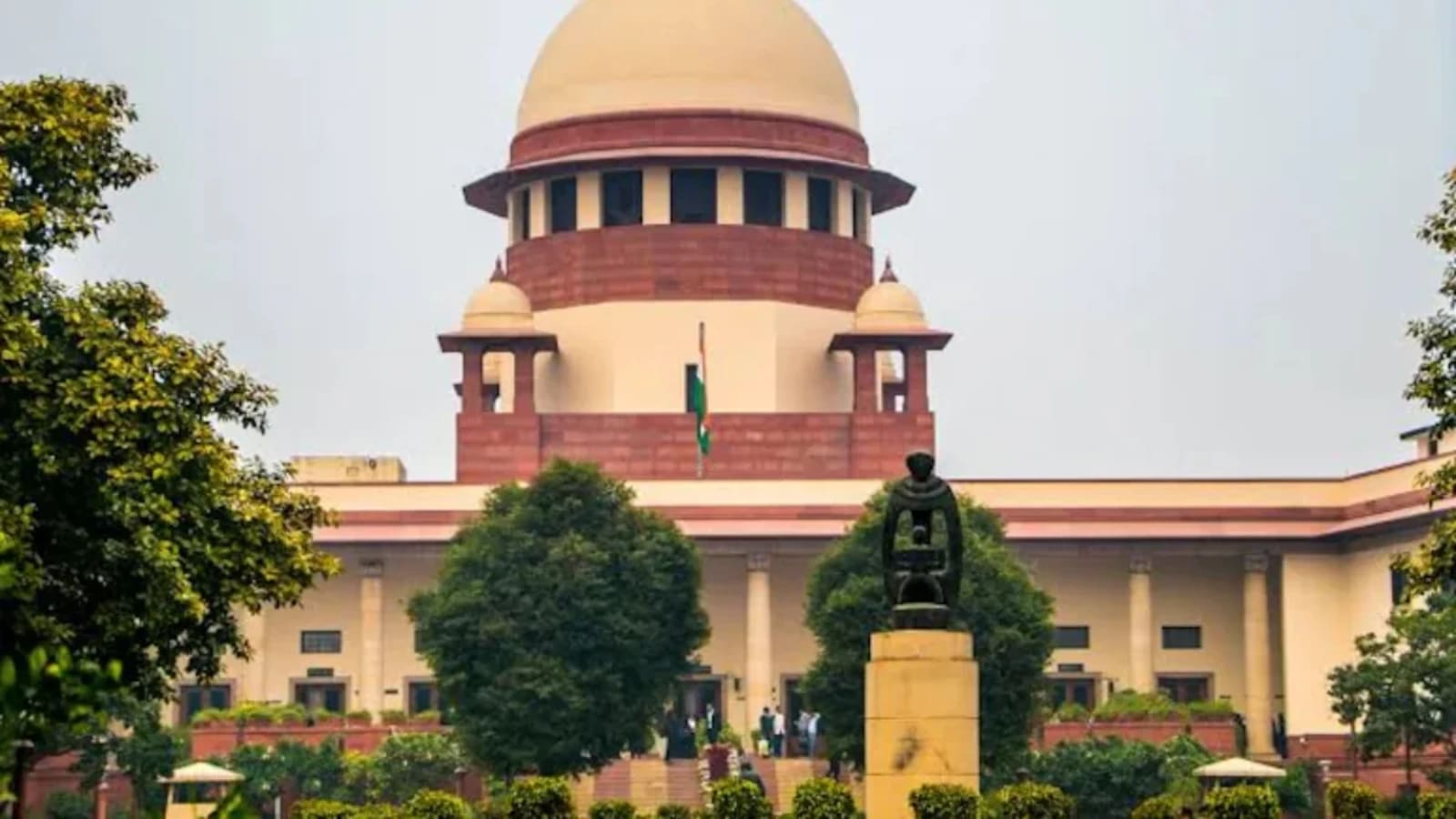
The ruling addressed the complex web of the 2011 KPSC appointments and the subsequent attempts by the state to rectify them. By endorsing the state's stance, the Supreme Court provided a definitive end to the decade‑long dispute. The decision upheld the 2011 decision in a manner that favored the state's legal arguments, providing a resolution to the status of the 362 KPSC officials who had been caught in the crosshairs of corruption allegations and administrative shifts.

The Supreme Court on Thursday expressed strong frustration over the continued prevalance of “digital arrest” scams, with Chief Justice of India Surya Kant questioning how educated citizens continue to fall prey to such frauds. Read more: https://t.co/UxNQeBsg7d #SupremeCourt #CJISuryaKant #digitalarrest #scams
With the Supreme Court's endorsement, the KPSC officials have emerged as the victors in this specific legal battle. The ruling provides a sense of finality to a case that has spanned more than ten years, moving it from the realm of active litigation into the history books of administrative law.
Yet, the resolution is not without its complexities. While the legal question has been answered, the underlying tension between the state's administrative needs and the public's demand for unblemished governance remains. The state government, having successfully defended its position through the Supreme Court, now stands at the end of a long road, having navigated the fallout of a 2011 scandal that refused to stay in the past. The case serves as a stark reminder of how the echoes of administrative