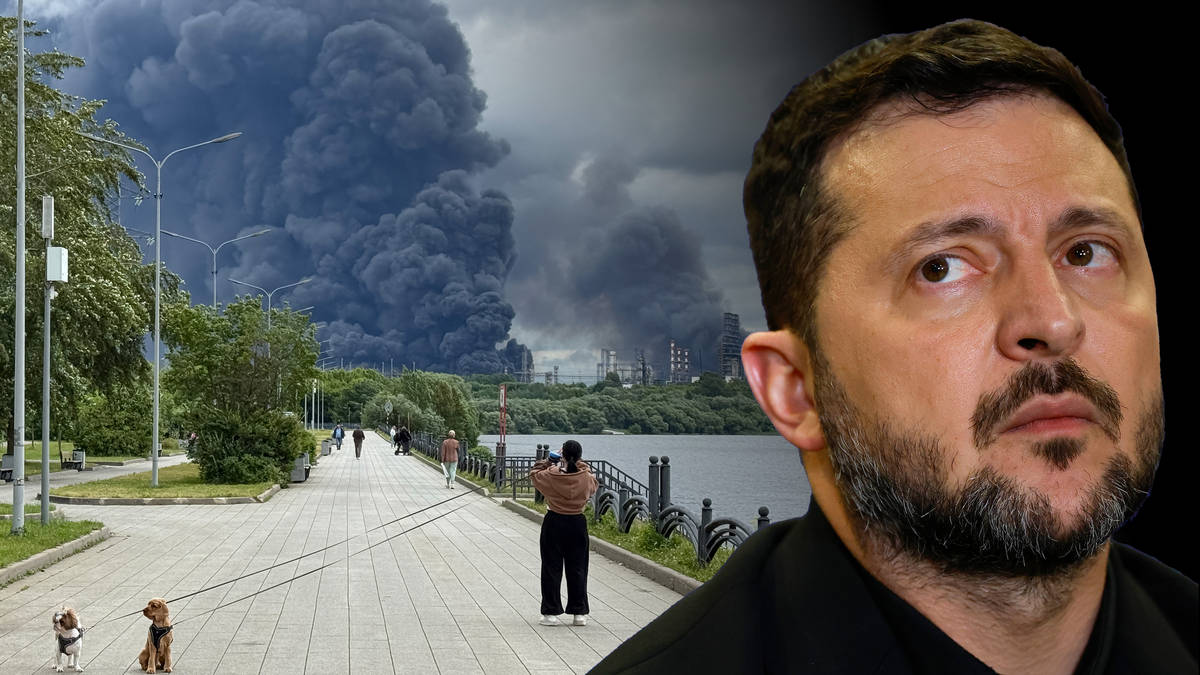
For three days, the explosions stopped. It was a quiet window on the front, a tentative lull requested by Washington as part of a broader push to stabilize the war’s escalation. But on October 15, that window shattered. Volodymyr Zelenskyy made his frustration clear, ending the pause on strikes against Russian energy infrastructure. The message was blunt and immediate: the block on attacking refineries was out, and Kyiv was done waiting.
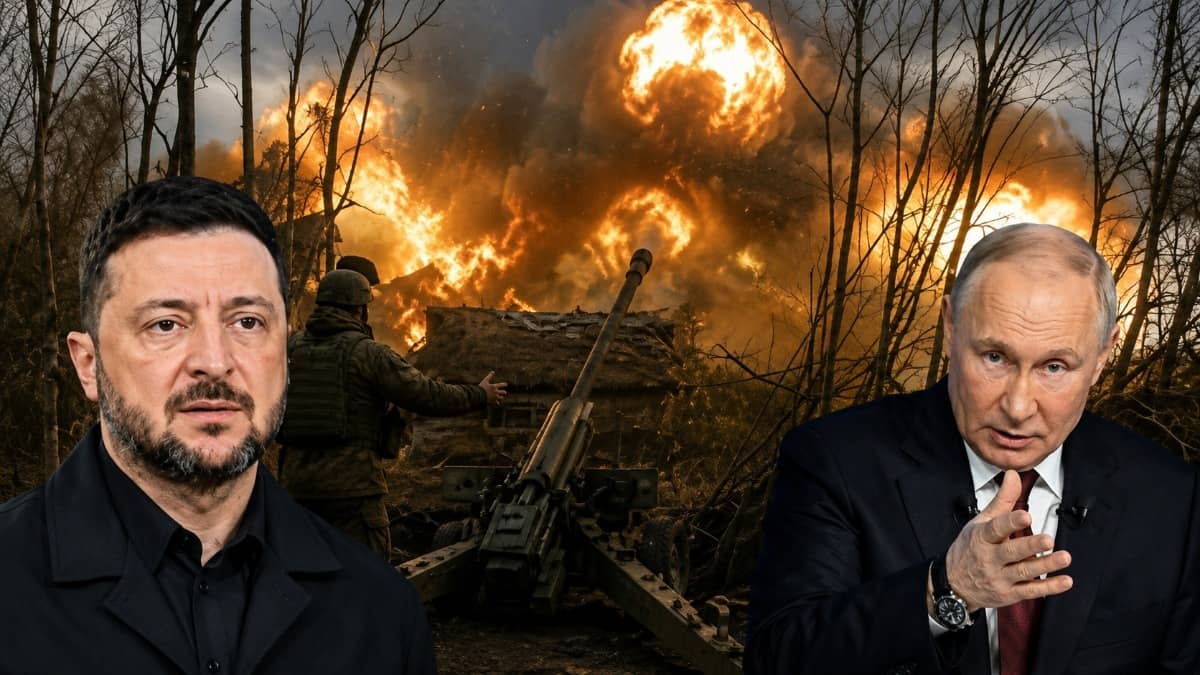
The resumption of attacks was not just a tactical decision; it was a diplomatic one. By lifting the pause, Ukraine signaled that the cost of inaction outweighed the cost of conflict. The strikes hit refineries in the Saratov and Ryazan regions, reigniting a war on infrastructure that both sides had agreed to cool down. The fires were not just a physical reality; they were a political statement that the ceasefire on energy had failed.
The most visible sign of the new escalation was a fire at the Ryazan oil refinery. The facility, which is owned by Rosneft, is a critical piece of the Russian energy landscape, supplying five percent of the country’s total crude refining capacity. Its output is essential, providing fuel directly for Moscow. When the Ukrainian drones struck, the resulting damage forced emergency services to the scene, where officials began assessing the material extent of the destruction.
Now, the US was facing criticism from Moscow for its lack of influence and from Kyiv for its strategic decisions.
This was not a minor skirmish. The Ryazan refinery is a strategic asset, and its disruption sends shockwaves through the Russian supply chain. The fire served as a stark reminder that Ukraine still had the capability to hit deep into Russian territory, targeting the very veins that keep the Russian state running. The immediate response from local authorities focused on containment and damage assessment, but the political ripple effects were far more significant.
The reason for the abrupt end of the pause, however, lay not just in the military calculus, but in a specific accusation leveled at the United States. Zelenskyy claimed that Washington had betrayed Ukraine by slowing down Starlink speeds. This internet satellite network is a lifeline for the Ukrainian military, providing crucial data and communication channels. By allegedly throttling this service, the US effectively removed a layer of the battlefield advantage that Kyiv had come to rely on.
The president accused the US of weakening Ukraine’s position on the battlefield by withdrawing crucial intelligence sharing and limiting these technological tools. This was not just a complaint about internet speeds; it was a charge of strategic betrayal. Zelenskyy argued that while Washington was pushing for a peace process, it was simultaneously handicapping Ukraine’s ability to defend itself, making the continuation of the pause impossible under such asymmetric conditions.
From the other side of the battlefield, the Kremlin painted a very different picture. Dmitry Peskov, the Kremlin spokesperson, denied that Moscow was in compliance with the US-announced energy ceasefire. He accused the Ukrainian regime of not making genuine peace efforts, claiming that Kyiv was continuing to strike facilities in direct contradiction to the efforts of American negotiators.
Peskov framed the Russian side as the victim of Ukrainian aggression, stating that the strikes were coming into serious contradiction with the vigorous efforts of the United States to initiate a peace process. The Kremlin narrative was one of patience being tested by an unwilling partner. By denying compliance with the energy truce, Moscow justified its own continued strikes on Ukrainian infrastructure, setting the stage for a new cycle of retaliation that neither side could easily break.

FRANCE'S FOREIGN MINISTRY SPOKESPERSON: VERY CLEAR FROM LATEST RUSSIA STRIKES ON UKRAINE THAT MOSCOW IS NOT READY TO TAKE STEPS TOWARDS PEACE
Caught in the middle was the United States, which was under pressure from two directions. Washington had unilaterally announced an energy ceasefire, hoping to dampen the worst impacts on global oil markets. But the truce had collapsed within days. Now, the US was facing criticism from Moscow for its lack of influence and from Kyiv for its strategic decisions. The American position was neutral in its official capacity, but in practice, it was being squeezed by the very actors it was trying to moderate.
This middle ground was precarious. The US wanted to maintain its role as a mediator, but its actions—or perceived inactions—were driving the two belligerents further apart. The Starlink issue highlighted a deeper tension: how much leverage does a third party have over the tools of war? For Ukraine, the answer was that too little, and that this shortcoming justified the resumption of attacks.
The human and political dimensions of this conflict were amplified by statements from key figures. Elon Musk, the head of the company operating Starlink, offered a technical clarification that only deepened the confusion. He stated that the systems being throttled were the US government's Starshield, not Starlink. This technicality was lost on the public, but it added a layer of complexity to the accusation of betrayal.
Musk also made a striking political comment, suggesting it was time for Zelenskyy to go. This was not just a business dispute; it was a collision of political wills. Zelenskyy, in turn, echoed the Russian narrative in one specific claim, stating that the Kyiv regime attempted a large-scale attack on the Ryazan refinery. This mirror-image of accusations highlighted the deep mutual distrust that now defined the relationship.
The stakes of this conflict were not limited to the battlefield. They extended to global energy markets. The Russian diesel deal involved three hundred thousand tons of product, and the flow of one point eight million tonnes of diesel from Russia was a critical component of the global supply. Any disruption in the refining capacity of a major power like Russia had immediate ripple effects on prices and supply chains.
The Ryazan refinery’s output was a specific node in this web, but the broader picture was one of increasing fragility. The energy sector, already under stress from the war, was now seeing a new round of targeted attacks on its infrastructure. This was not just a military strategy; it was an economic one, aimed at destabilizing the Russian economy while simultaneously forcing international partners to take a stand.
As of October 15, the energy ceasefire was dead. The fires at Ryazan were a symbol of the new phase of the conflict, one where both sides are free to strike at will. The US remains a mediator, but its influence is waning. The accusations of betrayal and the technical disputes over Starlink are likely to complicate any future peace efforts. For now, the front lines are defined by drones, fire, and the relentless logic of escalation.