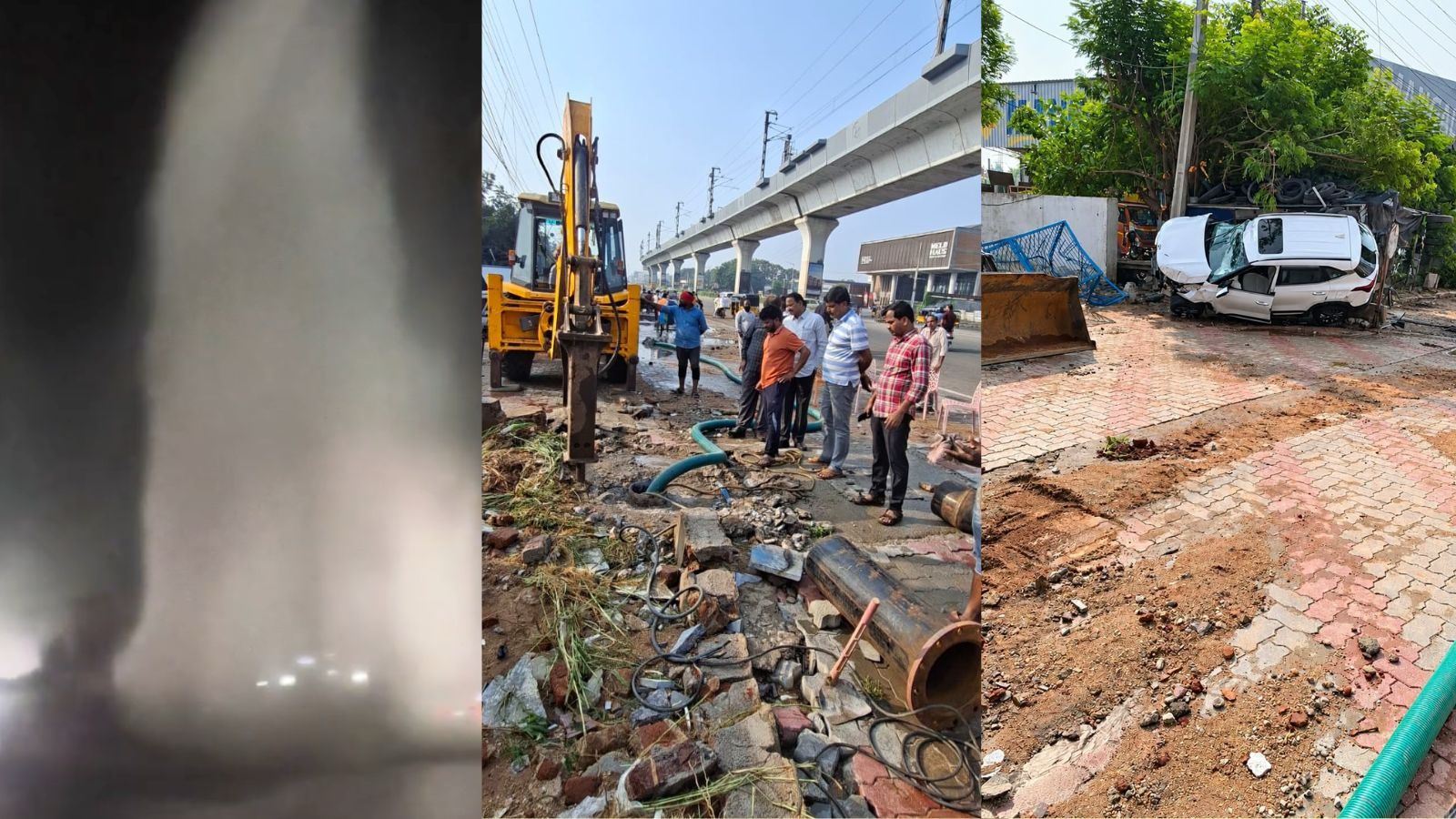
The morning of October 20, 2026, started like any other in Hyderabad, a city known for its vibrant festivals and bustling life. However, around 4 am, a sudden and unexpected event threw the city into a temporary water crisis. A car collided with the iron protective fencing around an air valve on the Krishna Phase-2 pipeline, causing a significant water leak near Nagole Metro Station. The incident was reported to the Hyderabad Metropolitan Water Supply and Sewerage Board (HMWSSB), and the clock began ticking.
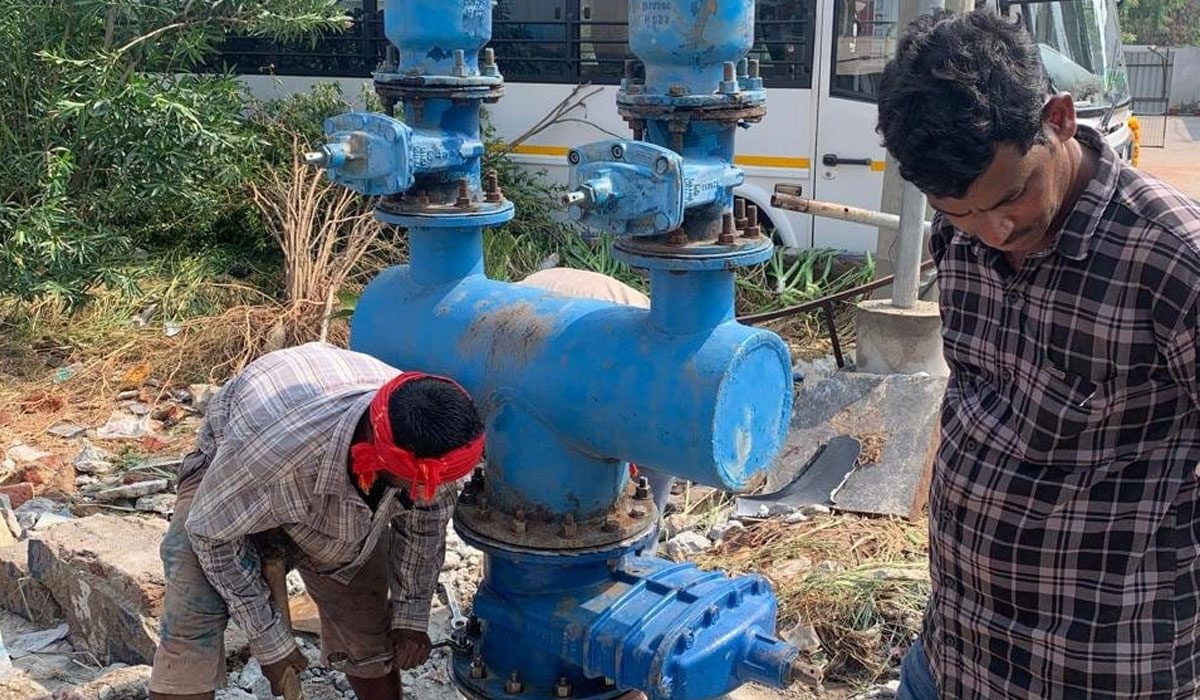
The air valve, a critical component of the pipeline, was damaged, leading to a massive leakage. The pipeline, part of the Krishna Drinking Water Supply Scheme Phase-2, supplies water to a large portion of the city. The HMWSSB had to act quickly to minimize disruption, especially as the city was gearing up for a major festival.
HMWSSB officials rushed to the scene, assessing the damage and planning the repair strategy. The team included engineers, technical staff, and officials who worked in unison to address the issue. The goal was not just to fix the pipeline but to do so in a way that would not cause undue inconvenience to the city's residents.
He said, 'I congratulated the engineers, officials, and technical staff for their prompt response, coordination, and dedication.
The repair work began in earnest. The team worked tirelessly, using specialized tools and techniques to fix the damaged air valve. The air valve is essential for maintaining the pressure and flow of water in the pipeline, and its failure could have led to a much larger water leak. The HMWSSB's quick response and coordination were crucial in ensuring that the repairs were completed swiftly.
K. Ashok Reddy, a senior official at the HMWSSB, praised the team's efforts. He said, 'I congratulated the engineers, officials, and technical staff for their prompt response, coordination, and dedication.' The statement highlighted the importance of the team's efforts and the impact of their quick actions.
The repairs were completed in just five hours, a remarkable feat considering the complexity of the task. The HMWSSB managed to restore the water supply to the affected areas without causing significant disruption. The team's efficiency and coordination were key factors in achieving this outcome. The incident served as a testament to the HMWSSB's preparedness and the dedication of its staff.
The successful repair of the pipeline brought relief to the city. The festival period was not marred by the water crisis, and residents could continue their preparations without worry. The quick resolution of the issue also demonstrated the HMWSSB's commitment to maintaining the city's water supply infrastructure.
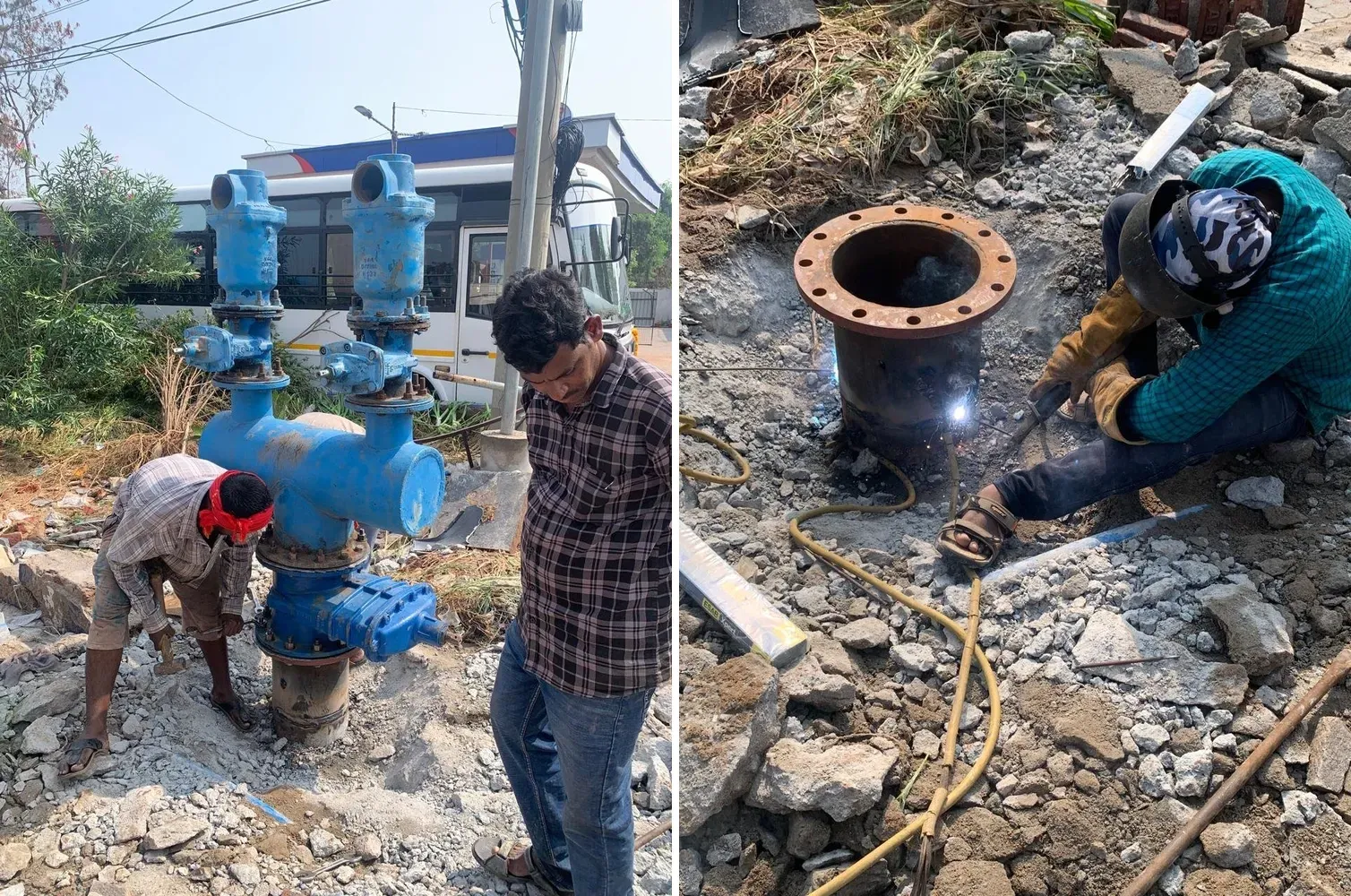
The incident highlighted the vulnerability of the pipeline system and the importance of regular maintenance. While the damage was caused by an unforeseen accident, the HMWSSB's response was exemplary. The five-hour repair time set a new benchmark for handling such incidents in the city.
The successful completion of the repairs to the Krishna Phase-2 pipeline serves as a reminder of the ongoing challenges faced by cities in managing their water infrastructure. The HMWSSB's quick response and efficient repair efforts have set a positive example for other water supply boards to follow. As Hyderabad prepares for future festivals and events, the incident underscores the need for robust contingency plans and the importance of maintaining critical infrastructure.