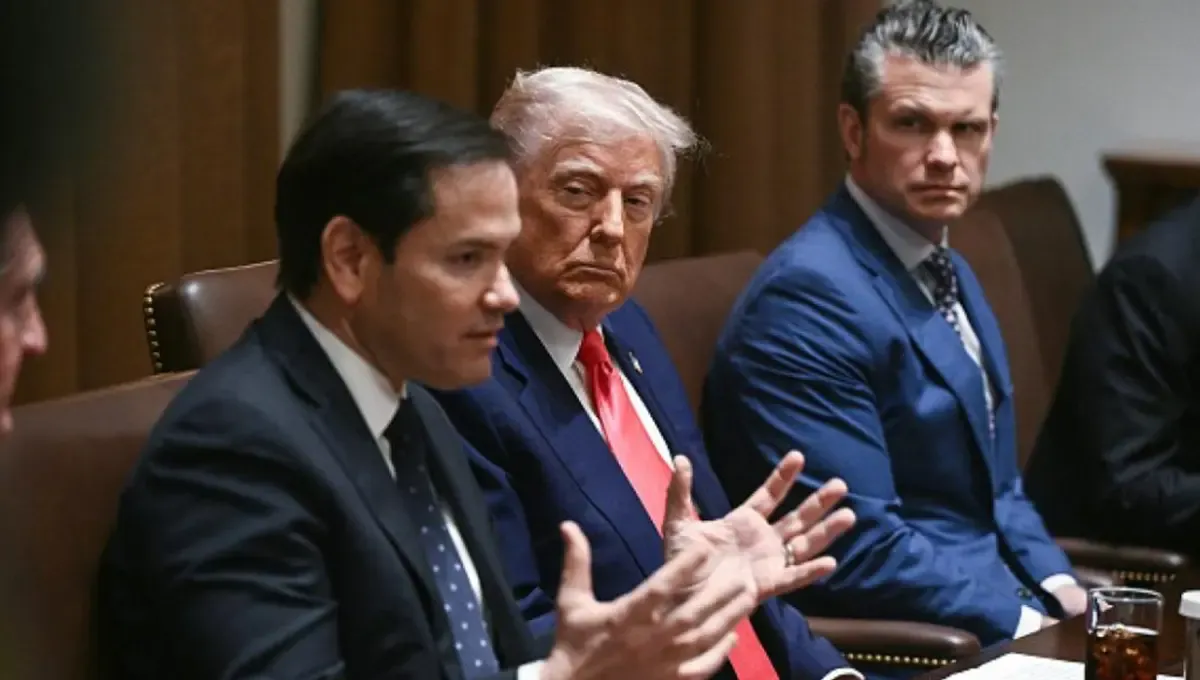
In a world where the shadow of war has long loomed over Tehran, the latest U.S. statement offers a glimmer of a different future. On October 31, 2026, Secretary of State Marco Rubio addressed the nation, framing the U.S. position on Iran as one that balances caution with openness. For readers new to the intricacies of U.S.–Iran relations, this moment feels like a turning point: a senior diplomat publicly acknowledges a potential threat while simultaneously inviting dialogue.
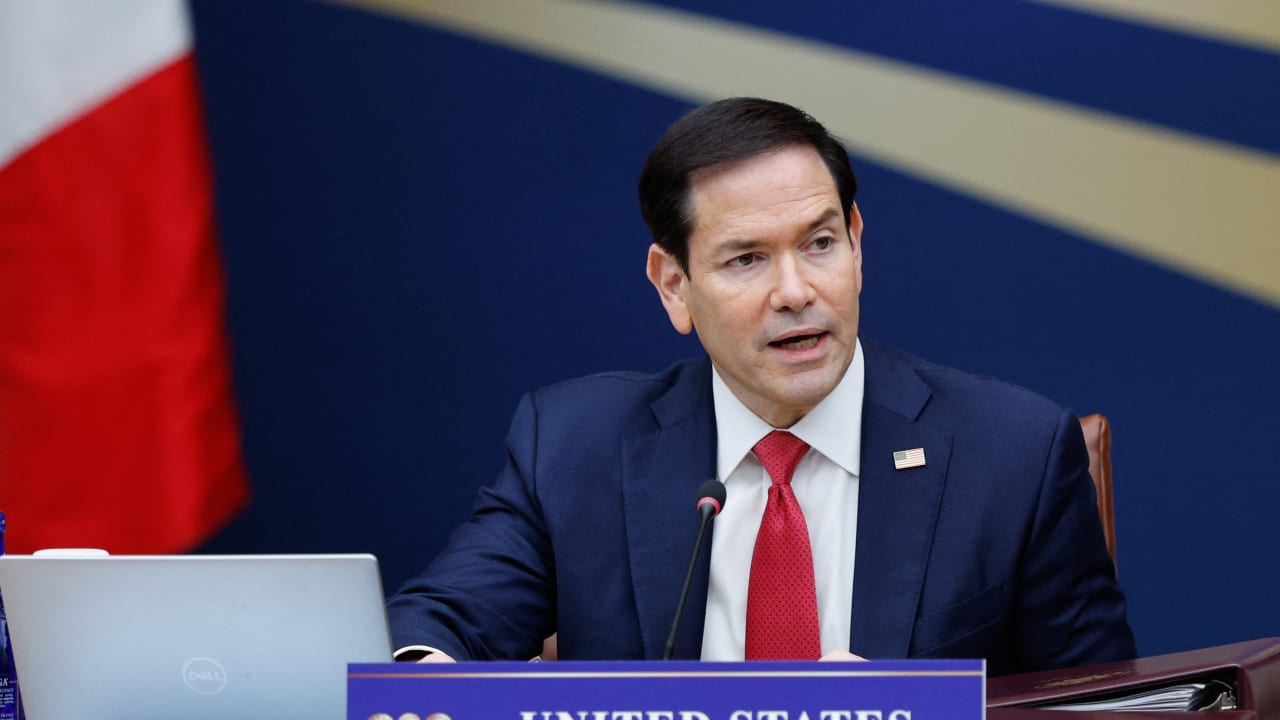
Rubio's first assertion was stark: Iran has expressed a willingness to acquire nuclear weapons, though he dismissed the likelihood of such a move. This admission is significant because it acknowledges a core concern that has driven U.S. policy for decades—the possibility that Tehran could develop a nuclear arsenal. By stating that the likelihood is low, Rubio signals a measured approach: he is not dismissing the threat outright, but he is also not treating it as an imminent crisis. This nuance is crucial for policymakers, analysts, and the public alike.
policy for decades—the possibility that Tehran could develop a nuclear arsenal.