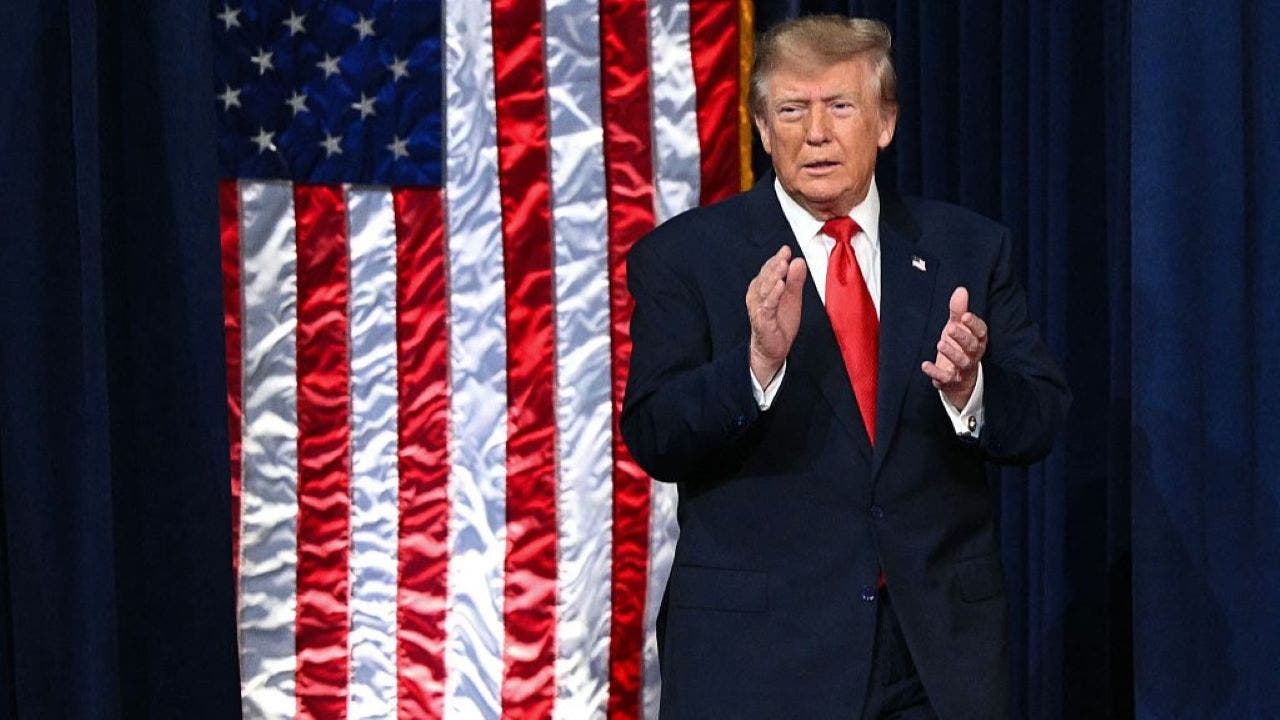
The American political landscape shifted dramatically on November 4, 2026, as the dust settled on midterm elections that saw the Democratic Party secure control of Congress. For the Republican Party, the results were a stinging rebuke, marking a significant reversal of fortune. In the immediate aftermath, the mood in Washington was one of transition, as leaders from both sides began to grapple with a new, divided government that will define the final two years of Donald Trump’s presidency.

In a move that surprised many observers, President Trump offered a public nod to his political rivals. "Well, I say this: congratulations to the Democrats. They did a good job," the President remarked, acknowledging a victory that the opposition had been pursuing for 11 years. While the loss was a blow to his party, Trump was quick to distance himself from the outcome. He argued that his own absence from the ballot was the primary factor in the Republican decline, asserting, "I wasn't on the ballot and if I was, we would have won in a landslide!" He maintained that the result was not a personal rejection, even as he conceded that the unpopularity of the ongoing war in Iran had weighed heavily on Republican candidates.

Trump congratulates Democrats after dominant midterms, says he looks forward to working with them https://t.co/0JJvNHewD4 #FoxNews
For House Speaker Mike Johnson, the results were a source of deep personal disappointment. Speaking from Shreveport, Louisiana, Johnson sought to contextualize the defeat by pointing to the stubborn patterns of American history. He noted that the midterm cycle is notoriously difficult for the party of an incumbent president. "Only twice in 90 years has an incumbent president gained or retained seats for his party in this first two-year cycle," Johnson explained. By framing the loss as part of a century-old trend, the Speaker attempted to soothe a party reeling from major losses, emphasizing that the GOP’s inability to overcome these historical headwinds was not necessarily a failure of strategy, but a reflection of a recurring political reality.
Despite his congratulatory tone, President Trump made it clear that his cooperation with the new Democratic majority would have firm boundaries.
Despite his congratulatory tone, President Trump made it clear that his cooperation with the new Democratic majority would have firm boundaries. He expressed a willingness to work with the opposition, noting that he has friends among their ranks and has already initiated contact. However, he also signaled that he is prepared to act as a formidable check on the legislative agenda. "I have the ultimate power—it's called 'veto,'" Trump stated. He described a scenario where Democrats might attempt to pass a flurry of legislation, only for him to send it back with a "nice stamp" of rejection. He suggested that after a few months of gridlock, the reality of the situation would force a compromise: "Historically, you veto for a couple of months, and then they come and say, 'We've got to make a deal.'"
As the reality of the next two years sets in, the Republican Party is already looking past the current setback. Speaker Johnson, while acknowledging the sting of the midterm results, remained defiant regarding the future. He thanked both President Trump and JD Vance for their efforts during the campaign and set his sights on the next major electoral horizon. "Our work is far from finished," Johnson declared. "The election result changes nothing of that. I am also disappointed. The year 2028 will come, we will take back the House and finish this work." For now, the capital prepares for a period of uneasy coexistence, where the threat of the veto pen looms over every potential piece of legislation.