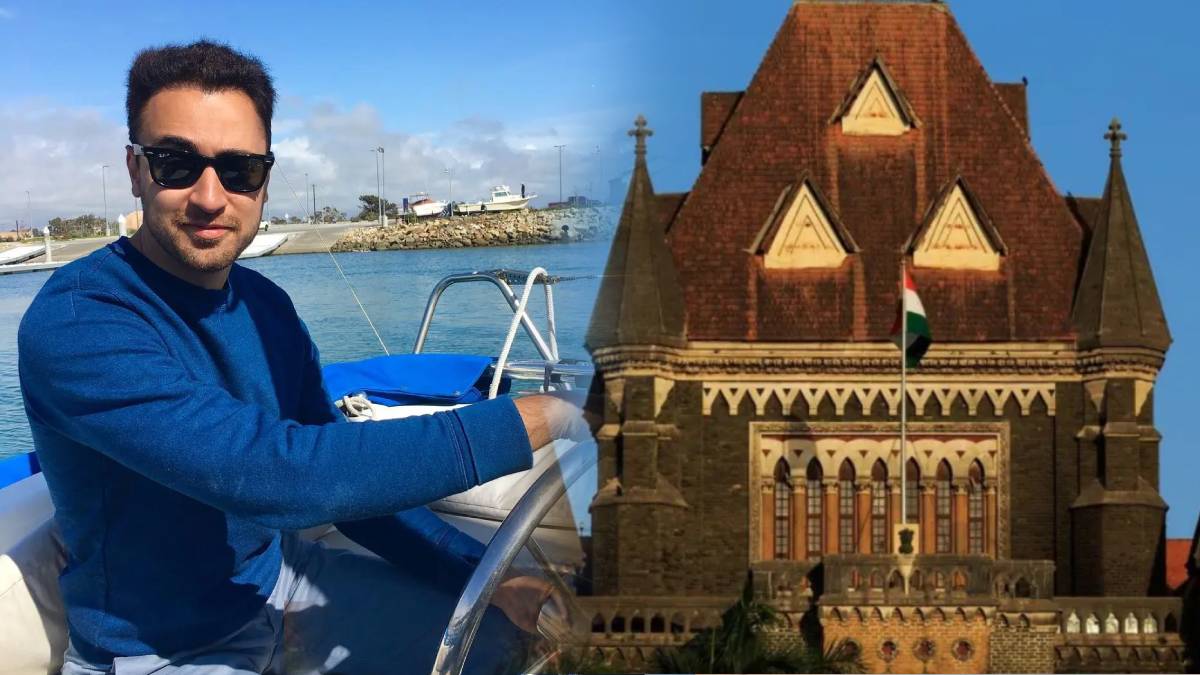
Pakistani actor Imran Khan had arrived in Mumbai with a purpose. His visit was part of a larger protest movement, the Cockroach Janta Party (CJP), which was demanding the resignation of the Chief Election Commissioner, Gyanesh Kumar. Khan, a US citizen with an OCI (Overseas Citizen of India) card, joined the protest on August 25, 2026, at Mumbai's August Kranti Maidan. This was the first of many events that would lead to a legal battle over his right to be in India.

On August 25, 2026, the atmosphere in Mumbai was charged. The Cockroach Janta Party, a group known for its anti-establishment stance, organized a protest. Imran Khan, a well-known figure in Bollywood, was among the participants. The protest was a show of defiance against the Chief Election Commissioner, a position that holds significant power in India's electoral process.
The Mumbai Police, however, did not look kindly upon the gathering. They detained Imran Khan, citing his participation in the protest. The incident was a stark reminder of the thin line between free speech and legal boundaries in India. Khan, who was not an Indian citizen, found himself in a precarious position, with the Foreigners Regional Registration Office (FRRO) issuing a notice to leave the country by October 28, 2026.
This move was seen as a bold step, given the complexity of the legal issues involved.

Actor Imran Khan is all set to challenge 'leave India' notice against him in the Bombay High Court. He had attended the CJP protest against CEC in Mumbai on October 10, 2026. https://t.co/9fEiAe0rdz
The FRRO's decision to issue a notice to Imran Khan was based on his alleged violation of the Foreigners Act. The act, which governs the rights and obligations of foreigners in India, is often a source of contention. Khan's case was particularly sensitive, as it involved a high-profile individual and a protest movement that had gained significant traction.
The notice to leave India was a serious matter. It meant that Khan had to leave the country by a specific date, or face legal consequences. The Mumbai Police, who had initially detained him, were now part of the enforcement mechanism. The notice was a clear indication that the government was taking a firm stance on foreign participation in political protests.
Imran Khan was not one to back down easily. He decided to challenge the notice in the Bombay High Court. His decision was supported by his advocate, Zulfikar Memon, who is known for his work in constitutional law. Khan's plan was to file a Writ Petition by October 15, 2026, to seek a judicial review of the FRRO's decision. This move was seen as a bold step, given the complexity of the legal issues involved.
The Bharatiya Janata Party (BJP), the ruling party, did not look favorably upon Khan's actions. BJP leader Kirit Somaiya approached the Union Ministry of Home Affairs, requesting a Look Out Circular against Imran Khan. A Look Out Circular is a measure taken by the government to monitor and restrict the movement of a person of interest. This move by Somaiya was seen as an attempt to pressure Khan into leaving the country voluntarily.
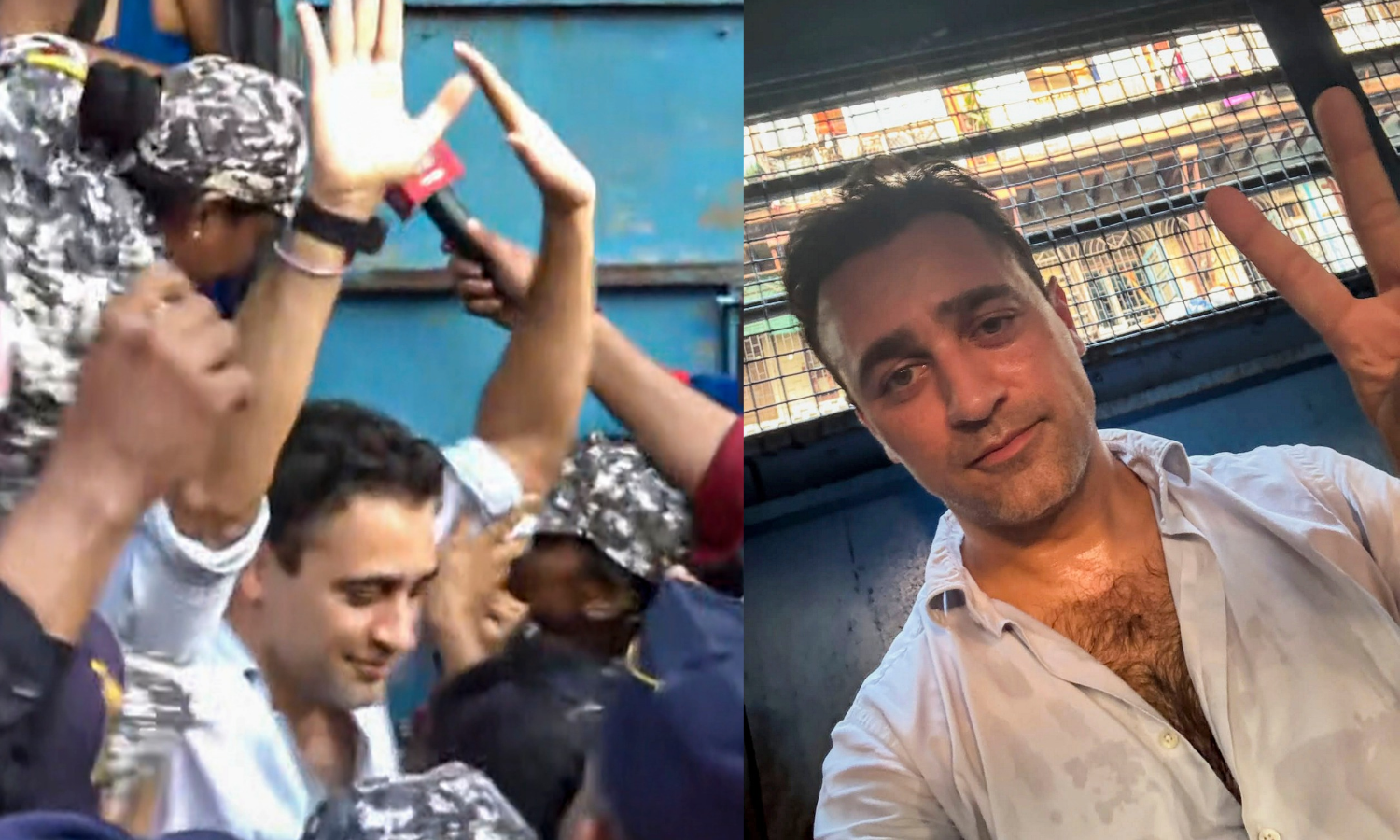
Imran Khan's participation in protests continued. On October 25, 2026, he was seen at Mumbai's August Kranti Maidan, once again participating in a protest. This event was part of a series of demonstrations that had gained momentum in the city. The protests were a reflection of the growing dissatisfaction with the Chief Election Commissioner and the broader political landscape in India.
By October 15, 2026, Imran Khan was set to file a petition in the Bombay High Court. His advocate, Zulfikar Memon, was preparing the legal arguments. The petition was expected to challenge the FRRO's decision, arguing that Khan's OCI card gave him the right to be in India. The case was seen as a test of the legal boundaries between free speech and foreign participation in political activities.
As of now, Imran Khan's legal battle is ongoing. The Bombay High Court will decide on the merits of his petition, and the outcome will have implications for future cases involving foreign participation in Indian politics. The case highlights the complex interplay between citizenship, foreign residency, and the rights of individuals to participate in political activities. For Imran Khan, the journey is far from over, and the legal battle is just beginning.