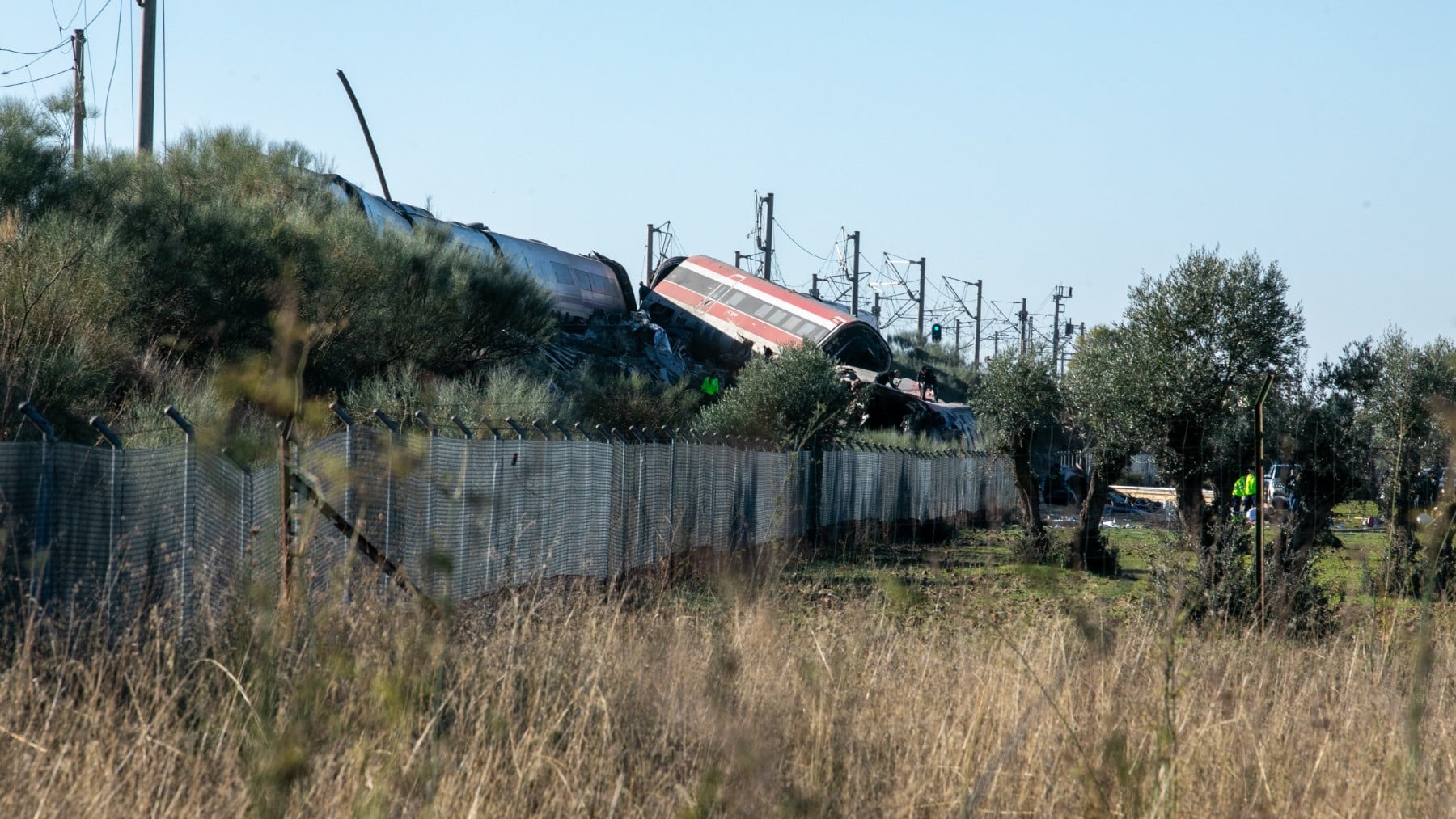
On October 28, 2026, the silence of the Toledo countryside was shattered by a collision between an AVE high-speed train and an Iryo train in Urda. The tragedy, which claimed at least 68 lives, left a nation searching for answers. But as the smoke cleared, a different kind of chaos began to unfold—not on the tracks, but in the halls of power.
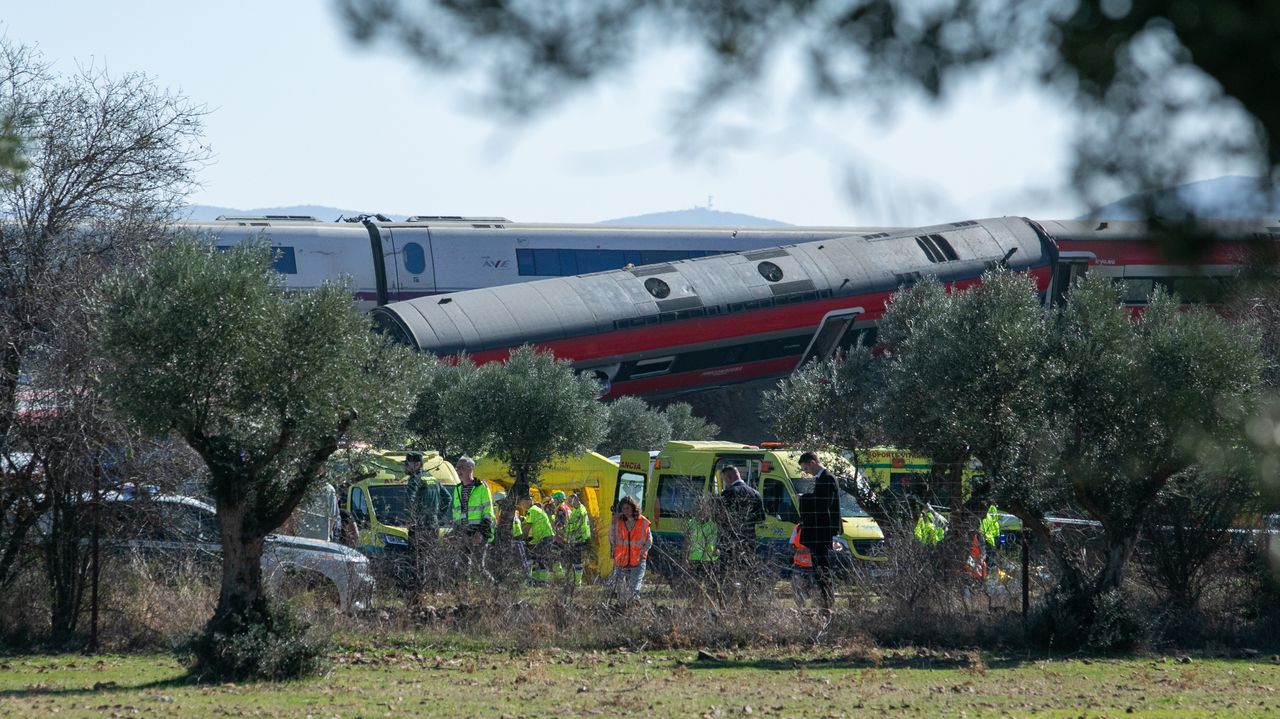
Recently, audio recordings obtained by ABC have surfaced, capturing the frantic, high-stakes dialogue between the Adif control center and the drivers caught in the middle of the disaster. These are not the polished statements of a post-accident investigation; they are the raw, unvarnished sounds of a system in crisis. The recordings reveal a sequence of events where instructions were given, doubts were voiced, and ultimately, a fatal gap in communication opened wide.
At the heart of the recordings lies a fundamental question of protocol. The audio captures the specific instructions issued by Adif to the drivers of both the AVE and Iryo trains. Most critically, the recordings suggest that Adif instructed the AVE driver to proceed at normal speed. In the high-velocity world of Spanish rail, where an AVE train can reach speeds of 200 kilometers per hour, such an instruction is a heavy responsibility.
The tragedy was not merely a matter of what the drivers did, but of what the technology failed to do.
If these instructions indeed violated established safety protocols, they represent more than just a mistake; they represent a breakdown in the very command structure designed to prevent catastrophe. The recordings suggest that the AVE driver was moving under the assumption of safety, unaware that the Iryo train—which was restricted to a maximum speed of 40 kilometers per hour—was positioned in a way that made a collision inevitable. The failure of Adif to inform the AVE driver of the Iryo train's exact position appears to be the pivot point upon which the tragedy turned.
While the focus has shifted toward the drivers, the audio reveals a deeper, more systemic anxiety. Within the control center at Atocha, the recordings capture personnel expressing profound doubt regarding how to manage a malfunction in the LZB safety system. The LZB, a continuous automatic train control system, is intended to act as a digital guardian, monitoring train positions and speeds to prevent human error from becoming a disaster.
On that October day, the guardian failed. The confusion among the staff regarding the LZB breakdown suggests that the technical failure was not a sudden anomaly, but a moment of systemic paralysis. The personnel were attempting to follow instructions, but they were navigating a landscape of technical uncertainty that the system was not equipped to resolve. The tragedy was not merely a matter of what the drivers did, but of what the technology failed to do.
To understand why the LZB system faltered, one must look back decades. The technical flaws that contributed to the Urda accident are rooted in a railway safety network that has not seen a comprehensive renewal since 1992. For over thirty years, the infrastructure has been asked to support the demands of modern, high-speed travel while relying on the skeletal remains of a much older era of engineering.
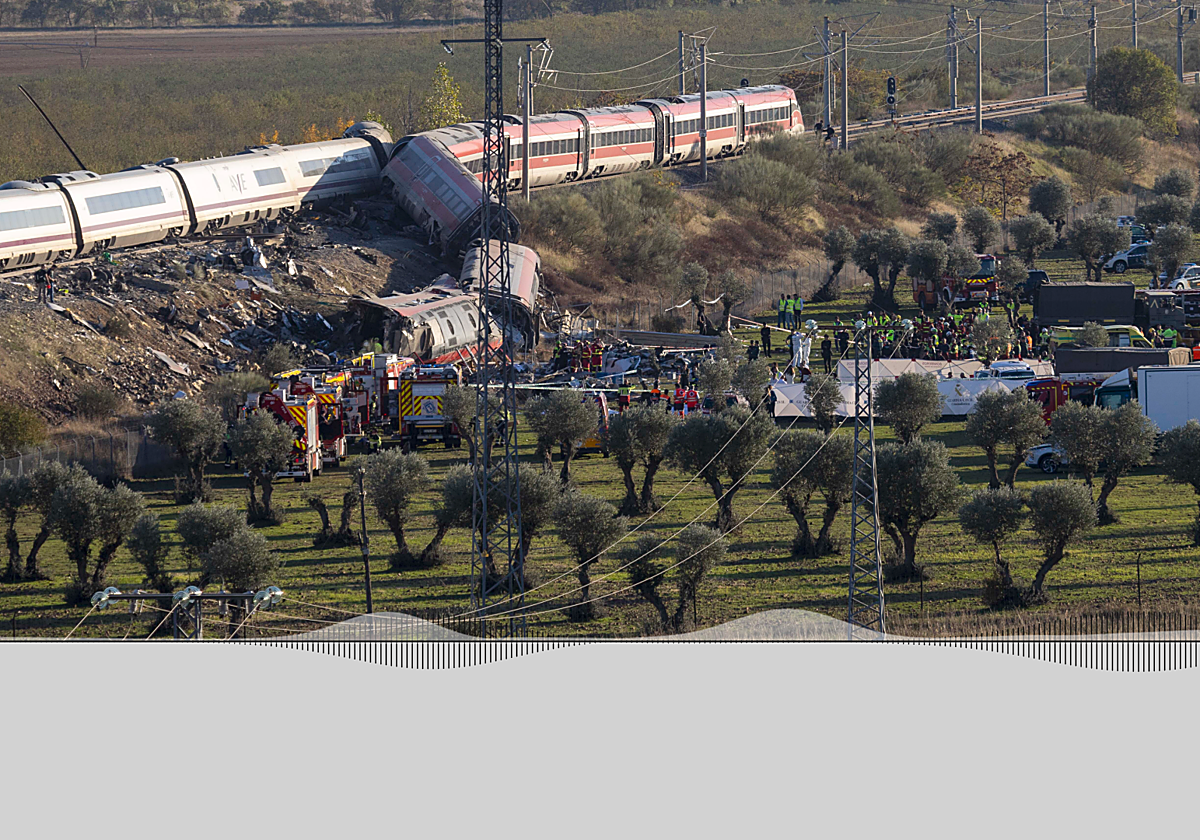
This gap between modern expectations and aging infrastructure creates a precarious environment. When a system has not been updated in such a span of time, the margin for error shrinks. The technical failures seen in Urda are the logical conclusion of a system pushed to its limits, where the digital safeguards of the 21st century are attempting to patch the vulnerabilities of the late 20th.
As the technical reality of the accident becomes clearer, a political maneuver has emerged. The Spanish government has taken the unusual step of leaking these audio recordings to media outlets sympathetic to its position. The timing and nature of these leaks suggest a strategic attempt to shift the narrative. By releasing the conversations between the control center and the drivers, the government appears to be framing the disaster as a matter of operator error rather than a consequence of systemic technical failure.
This effort to place the weight of responsibility on the operators serves a specific purpose: it obscures the underlying truth of the aging infrastructure and the malfunctioning safety systems. By focusing on the human element—the instructions given and the responses of the drivers—the conversation moves away from the uncomfortable reality of a railway network that has been left to stagnate since 1992.
As it stands, the nation is left with two competing versions of the Urda disaster. One version, championed by the government through the strategic release of audio, points toward the individuals in the cabs of the trains. The other version, supported by the technical realities revealed in those very same recordings, points toward a crumbling foundation of safety protocols and outdated technology.
The recordings from October 28 do more than just document a collision; they document a struggle for the truth. While the government seeks to assign blame to the operators, the echoes of doubt from the Atocha control center and the long shadow of the 1992 safety systems suggest that the real culprit may be much harder to prosecute: a systemic failure of maintenance and modernization that was decades in the making.