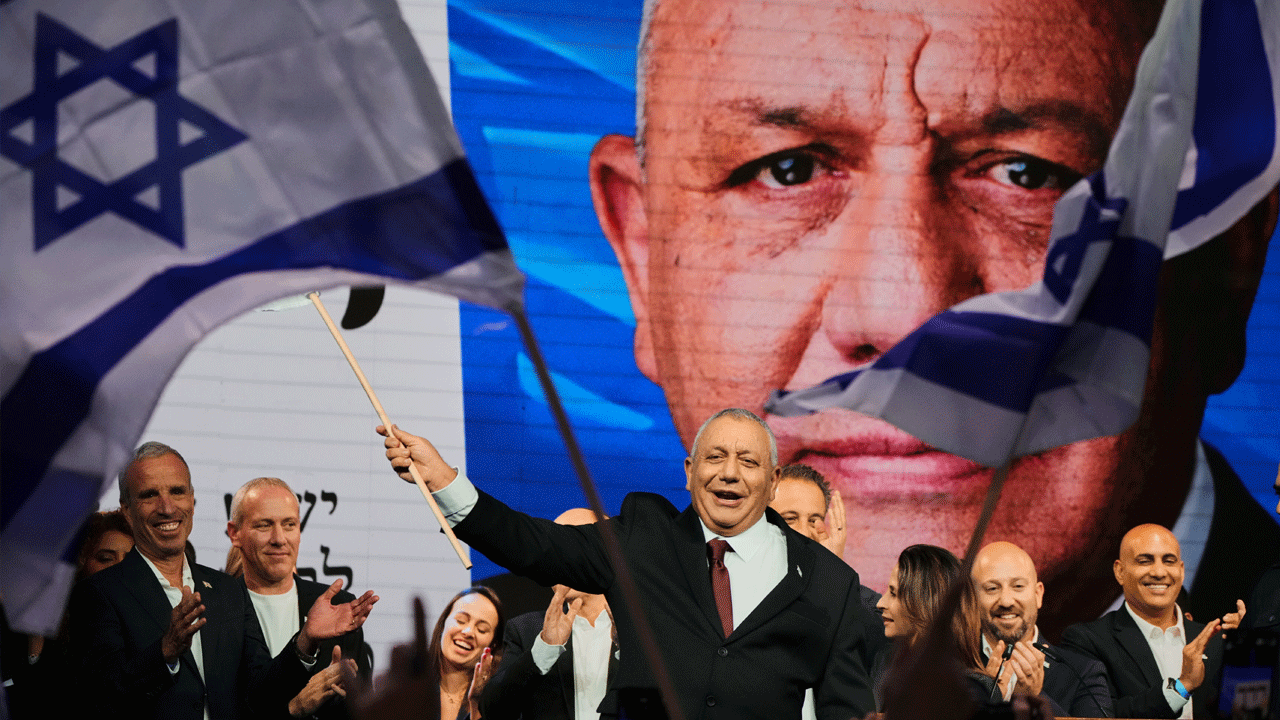
On the evening of October 30, 2026, Israeli media announced that the counting of every ballot cast in the nation’s parliamentary election was complete. The Knesset, Israel’s 120‑member legislature, now has its full complement of seats allocated, and the numbers are stark: Netanyahu’s coalition holds 53 seats, the opposition parties together command 48, and Arab‑identified parties have secured 19. The tally marks the end of a night that began with hopeful rallies and ended with a political puzzle.
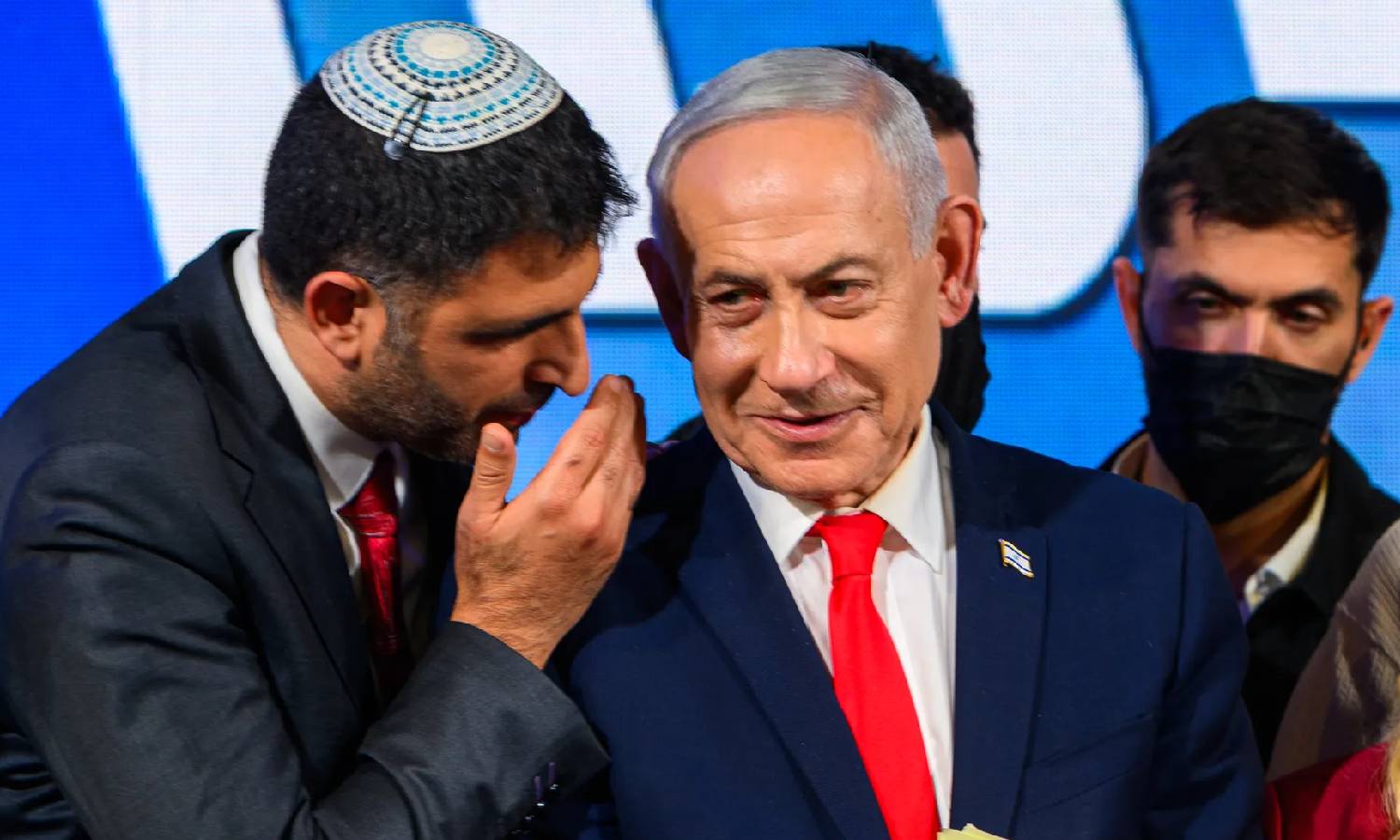
The Likud party, led by long‑time premier Benjamin Netanyahu, emerged as the single largest faction with 27 seats. In Israel’s proportional‑representation system, parties win seats in line with the share of the national vote they receive, and the party with the most seats typically shoulders the responsibility of assembling a governing coalition. Yet, even as Likud topped the list, its 27 seats were far from sufficient to command a majority on their own, underscoring the fragmented nature of today’s electorate.

Israel faces weeks of coalition haggling as Netanyahu’s party claims election 'stolen' https://t.co/linPDgjWSh
Netanyahu’s broader coalition—an alliance of Likud with several right‑leaning and religious parties—totaled 53 seats. In a Knesset of 120 members, a coalition needs at least 61 seats to secure a governing majority. Falling eight seats short, the bloc must now look beyond its current partners if it hopes to stay in power. The shortfall forces a strategic calculus: either courting additional parties, perhaps from the centrist or even the Arab bloc, or conceding the initiative to the opposition.
The political calculus therefore hinges on whether these parties will be courted, and under what conditions, to lend their support to a governing arrangement.
Opposing parties, collectively holding 48 seats, also lack the numbers to form a government on their own. While they command fewer seats than Netanyahu’s bloc, they remain a significant force in the legislature. The opposition’s composition includes a mix of left‑leaning, centrist, and other groups, each with its own policy priorities and red lines. Their inability to claim a clear mandate means that, like the coalition, they must negotiate with other factions to bridge the gap.

#Israel #Netanyahu #Election Who will form the government ? 🤞🏻🤲🏻🙏🏻 https://t.co/KGSunWTjGI
The 19 seats won by Arab parties sit at the heart of today’s power equation. Though traditionally excluded from coalition talks, their bloc now represents a decisive swing factor. In a scenario where either the coalition or the opposition secures a handful of Arab members, the balance could tip toward a workable majority. The political calculus therefore hinges on whether these parties will be courted, and under what conditions, to lend their support to a governing arrangement.
Amid the tally, Prime Minister Netanyahu publicly alleged irregularities in the voting process. While he stopped short of detailing specific violations, his claim adds a layer of tension to an already delicate post‑election environment. Accusations of voting irregularities can trigger legal challenges, demand recounts, or fuel public protests, all of which could further delay the formation of a stable government.

I think Benjamin Netanyahu Lost the election.
With no party or alliance crossing the 61‑seat threshold, Israel now faces a period of coalition‑building negotiations that could extend for weeks. The president of the state, tasked with assigning the mandate to form a government, will likely first approach Netanyahu, given his party’s status as the largest. If Netanyahu’s talks stall—whether due to the alleged irregularities or an inability to secure additional partners—the president may then turn to the opposition leader to explore alternative configurations.
Israel’s political system has, in recent years, seen multiple elections within short spans, each failing to produce a decisive majority. A prolonged stalemate can affect everything from defense budgeting to social policy, and may erode public confidence in democratic institutions. Moreover, external observers watch closely, as Israel’s stability has regional and international ramifications.
As the night gives way to morning, Israelis across the country watch the unfolding drama with a mixture of anticipation and fatigue. The numbers are set, but the alliances are not. Whether Netanyahu can bridge the eight‑seat gap, whether the opposition can lure enough partners, or whether Arab parties will become kingmakers remains to be seen. What is clear is that the Knesset’s doors are open, but the path to a functioning government is still under construction.