
On October 16, 2026, the automotive world witnessed something unprecedented. At SpaceX’s McGregor, Texas test facility, Tesla presented its redesigned Roadster model with limited flight capabilities. The demonstration was not merely about acceleration; it was about verticality. The vehicle showcased features like short-burst flight and air-based rocket boosters, signaling a shift where the car is no longer bound strictly to the pavement.
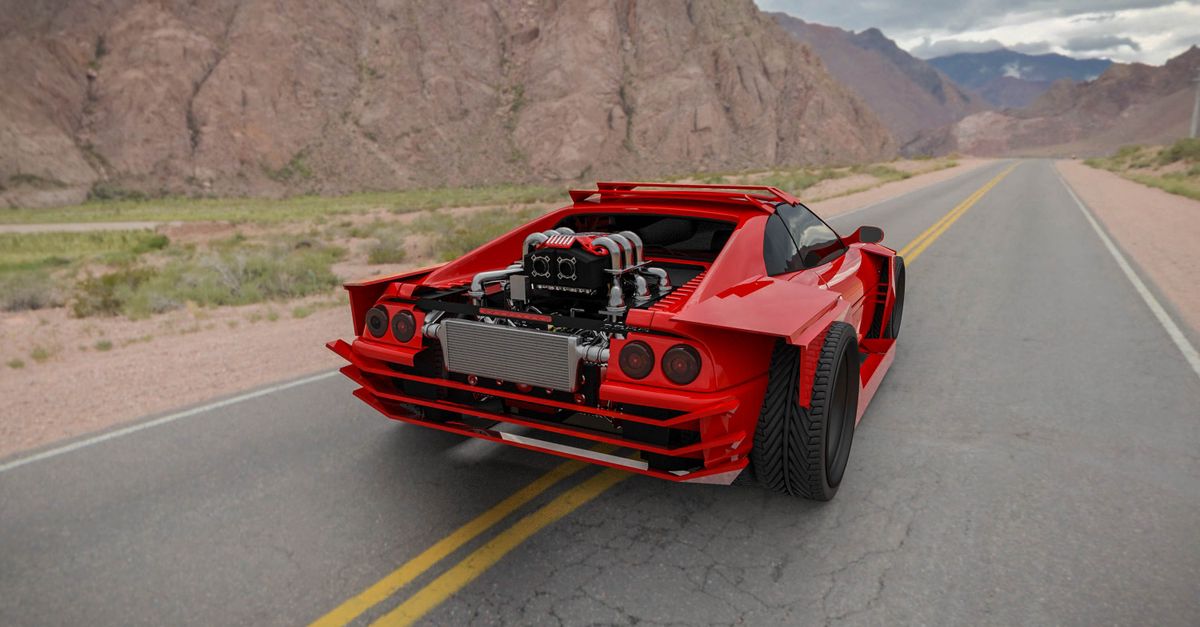
CEO Elon Musk highlighted the collaboration between Tesla and SpaceX, emphasizing that the car utilizes technology similar to SpaceX's rocket ships. This partnership suggests a convergence of two distinct engineering philosophies: the high-speed efficiency of electric propulsion and the orbital ambitions of aerospace. The reveal comes as Tesla aims to boost its struggling automaking business amid sales decline and competition in China, using this innovation to reinvigorate public interest in the brand.
Performance metrics define the new Roadster's identity. The vehicle achieves acceleration from 0-60 mph in 0.81 seconds, a figure that places it among the fastest cars ever built. To achieve these figures, the car relies on advanced cold-gas thrusters. These systems allow for precise control without the complexity of combustion engines. This combination of speed and lift creates a profile that challenges the very definition of a passenger vehicle.
For consumers considering this technology, the financial commitment is substantial.

The new Tesla Roadster just FLEW OVER a whole fleet of Teslas. This is CRAZY https://t.co/N0h0vN6top
For consumers considering this technology, the financial commitment is substantial. Pre-orders for the 'Thrust' package start at $250,000 USD. Additional costs apply for the full-flight system, suggesting that while the base model remains accessible to enthusiasts, the flying capabilities represent a premium tier. This pricing structure reflects the specialized nature of the hardware, which requires rare materials and complex integration of aerospace-grade components into a consumer automobile.
This technological leap arrives amidst broader strategic pressures. Tesla faces a challenging landscape regarding its global market share, particularly in China where competition is fierce. By introducing a vehicle with flight capabilities, the company attempts to differentiate itself from rivals who focus solely on ground performance. The goal is to create a unique selling proposition that cannot be easily replicated by competitors, thereby stabilizing revenue streams that have been under pressure.
Looking forward, production is scheduled to begin in 2028. This timeline indicates a careful approach to scaling such complex machinery. Elon Musk noted the trajectory of development, stating, "We anticipate being able to do better than that." This sentiment underscores the company's belief that current iterations are merely stepping stones toward a future where transportation transcends conventional boundaries. As the company prepares for mass production, the focus shifts from the novelty of the demo to the reliability required for daily use.