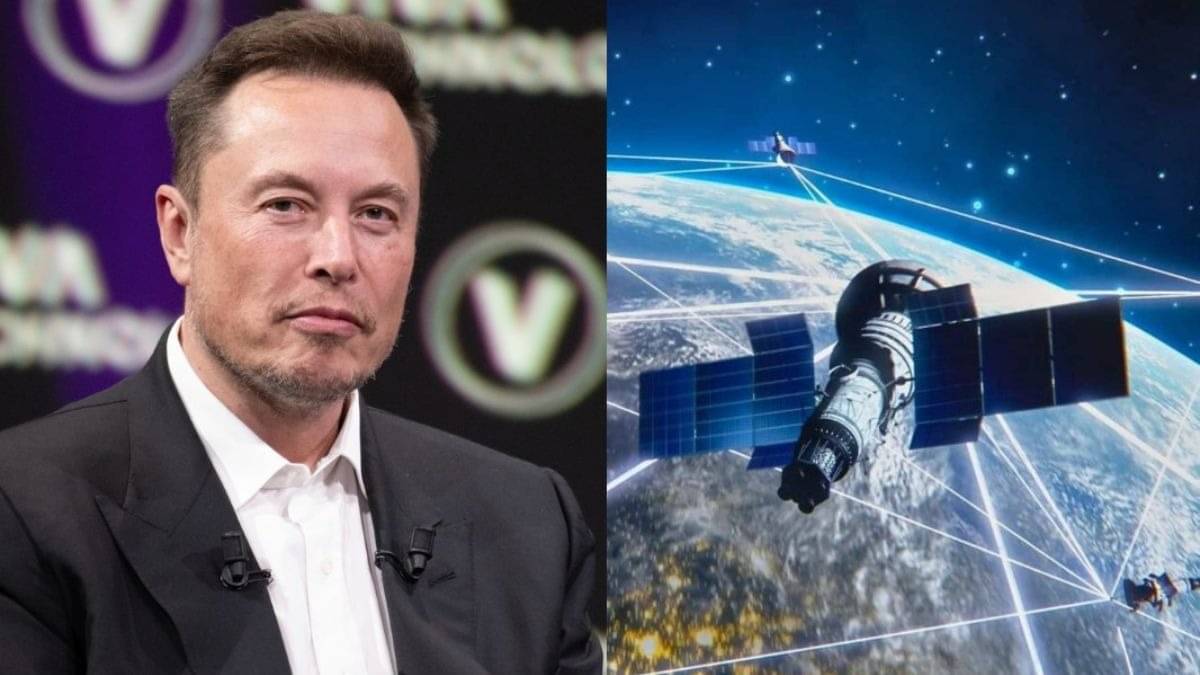
In the modern theater of war, the most essential weapon is often not a missile or a tank, but the ability to communicate. Since the onset of the conflict in Ukraine, the satellite internet constellation Starlink—operated by the Texas-based company SpaceX—has served as a vital lifeline. For Ukraine, this technology has been more than a convenience; it has been a strategic necessity. Elon Musk, the CEO of SpaceX, has described the system as the only communication network that remains functional when all other means are jammed or destroyed by Russian forces. It was, in his words, the technology that prevented Russia from overrunning the country in the early days of the war.

However, the relationship between the provider and the user has recently fractured. On October 25, 2026, Elon Musk leveled a serious charge against the Ukrainian military: that it had violated the terms of service governing Starlink. According to Musk, the military had utilized the civilian commercial service to facilitate offensive drone strikes intended to kill. Musk was blunt in his assessment of these actions, stating, "Using Starlink, a civilian commercial service, for offensive drone strikes to kill people has never been allowed, nor should it."
This alleged misuse of the satellite network led to a swift and restrictive response. Musk confirmed that a specific loophole allowing for such operations had been closed by the company the week prior to his public statement. The fallout from this decision was immediate, as SpaceX imposed restrictions on Starshield—the military-grade iteration of the satellite network—which hampered Ukrainian military operations. These restrictions included a speed limit of 160 kph for Starshield operations, a move that created significant friction between the company and the Ukrainian government.
The tension underscored a fundamental dilemma: how a private corporation should navigate the boundaries of its involvement in a sovereign conflict.
As the restrictions took hold, the situation intensified, drawing in international scrutiny. Ukrainian officials responded to the accusations by denying that they had used Starlink for long-range offensive attacks. The tension underscored a fundamental dilemma: how a private corporation should navigate the boundaries of its involvement in a sovereign conflict. While SpaceX has provided significant support—including $158 million in contributions—the company has maintained that its technology is intended for defensive, not offensive, purposes.

Ukraine's Starlink access is disrupted. Questions arise about Musk's role. And Musk's response? Lecture Ukrainians about corruption and dying in trenches. There's one rather important detail missing from that narrative: RUSSIA INVADED UKRAINE. Funny how the aggressor keeps disappearing from the billionaire's explanation. 🇺🇦 #StandWithUkraine #DemsUnited
Despite the heated rhetoric, both sides appear to recognize the existential stakes involved. Musk has acknowledged that a complete shutdown of Starlink would likely result in the collapse of Ukraine’s front line. This reality creates a precarious dependency. Musk has been vocal in his disdain for those he perceives as prolonging the conflict, stating, "I have nothing but utter contempt for the virtue-signaling evil warmongers who push for endless slaughter and offer no realistic solution to the conflict."
By October 25, 2026, the volatility surrounding the service appeared to subside. Ukrainian President Volodymyr Zelenskyy announced that both Starlink and Starshield had returned to their normal operating speeds. With the systems now fully functional again, the immediate operational crisis has been averted. Yet, the incident serves as a stark reminder of the power held by private entities in modern warfare. As the conflict continues, the reliance on Starlink remains absolute, leaving the future of this essential communication link as a central, if uneasy, pillar of Ukraine’s defense.