
The Bay of Bengal has birthed a powerful new threat: Cyclone Arnab, which has rapidly intensified into a severe cyclonic storm. Meteorologists with India's Meteorological Department (IMD) have been tracking its development as it gathers strength over the warm tropical waters. The storm represents the latest in a season of extreme weather events that have tested India's coastal regions, bringing with it wind speeds that could reach 140 kilometers per hour as it approaches the mainland.
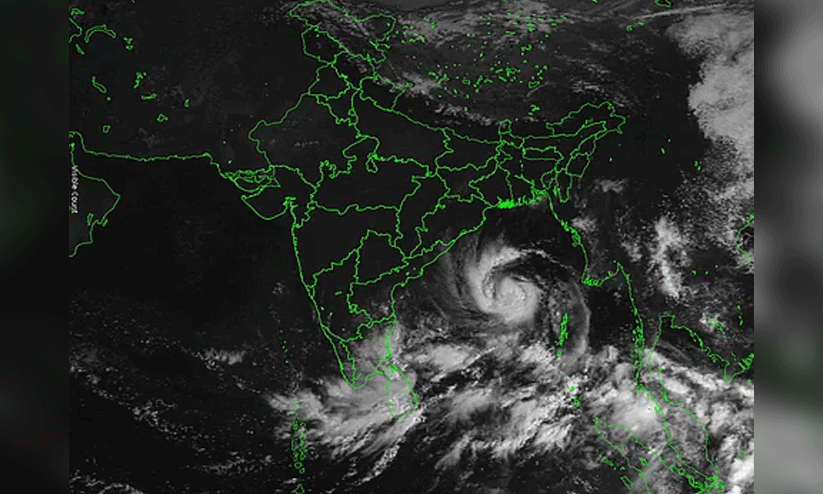
Weather models show Cyclone Arnab moving in a west-northwest trajectory, placing the coastal city of Visakhapatnam directly in its projected path. The IMD has forecast the storm will make its closest approach on October 28, bringing the full force of its winds and potential torrential rainfall to the region. Officials have expressed particular concern about the storm's timing and intensity, noting that coastal areas from Andhra Pradesh northward through Odisha face significant risks from both the immediate impact and the subsequent flooding that often follows such storms.
In response to the impending threat, Indian authorities have taken decisive action to protect lives and infrastructure. The most visible of these measures has been the cancellation of 53 trains scheduled to travel through the affected regions, a move designed to prevent travelers from being caught in dangerous conditions. Red alerts have been issued for multiple states, signaling the highest level of danger. Emergency services have been placed on standby, with rescue teams and supplies pre-positioned in areas likely to be hardest hit. The IMD has urged residents in coastal zones to remain vigilant and follow official weather updates closely as the situation evolves.
Emergency services have been placed on standby, with rescue teams and supplies pre-positioned in areas likely to be hardest hit.
As Cyclone Arnab continues its approach, the next twelve hours will be critical for millions of people in its path. The IMD forecasts the cyclone to move west-north-west, causing potential hazards in Andhra Pradesh, Odisha, and nearby states. Emergency services are on standby, with rescue teams ready to respond to potential hazards including flooding and landslides.