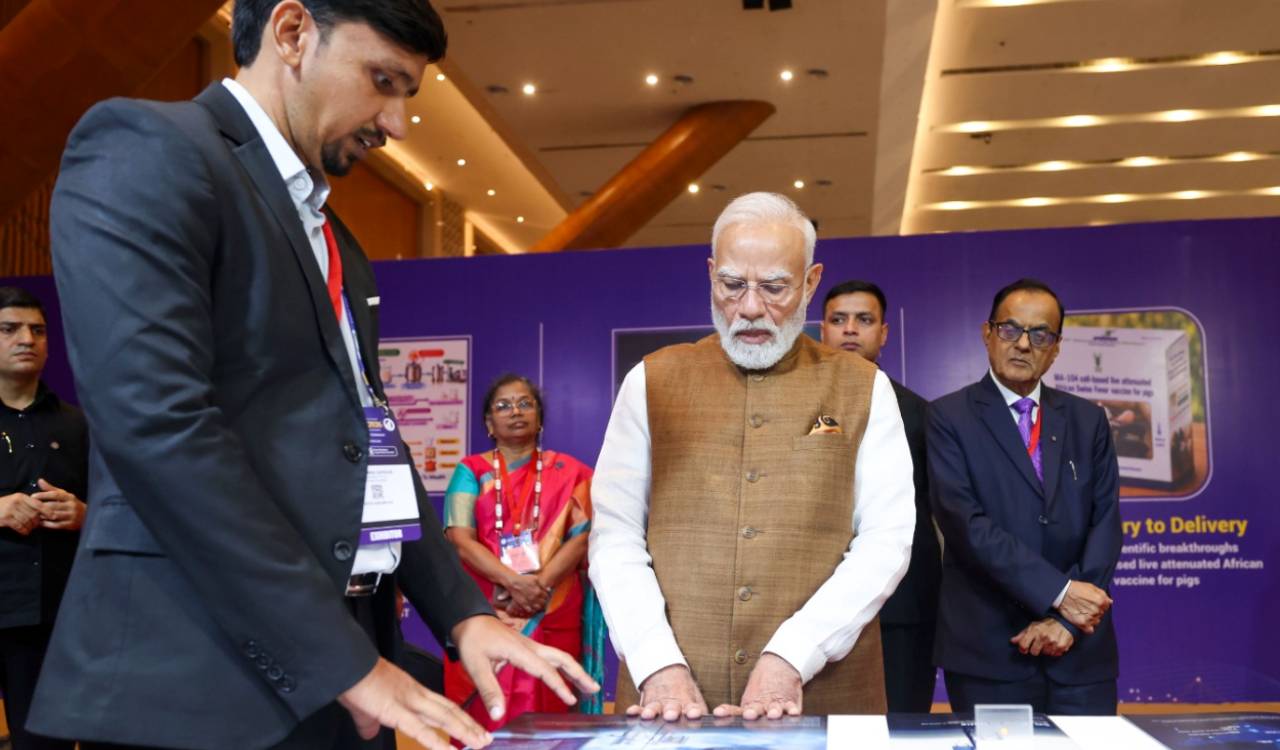
In the bustling halls of ESTIC 2026 in New Delhi, Prime Minister Narendra Modi paused at the WiSig Networks stall, examining the startup's indigenous 5G and emerging 6G technologies. The exhibition, inaugurated on October 27, 2026, featured 150 deep-tech startup stalls, but WiSig's presentation stood out, offering a tangible demonstration of India's growing capabilities in telecommunications technology.
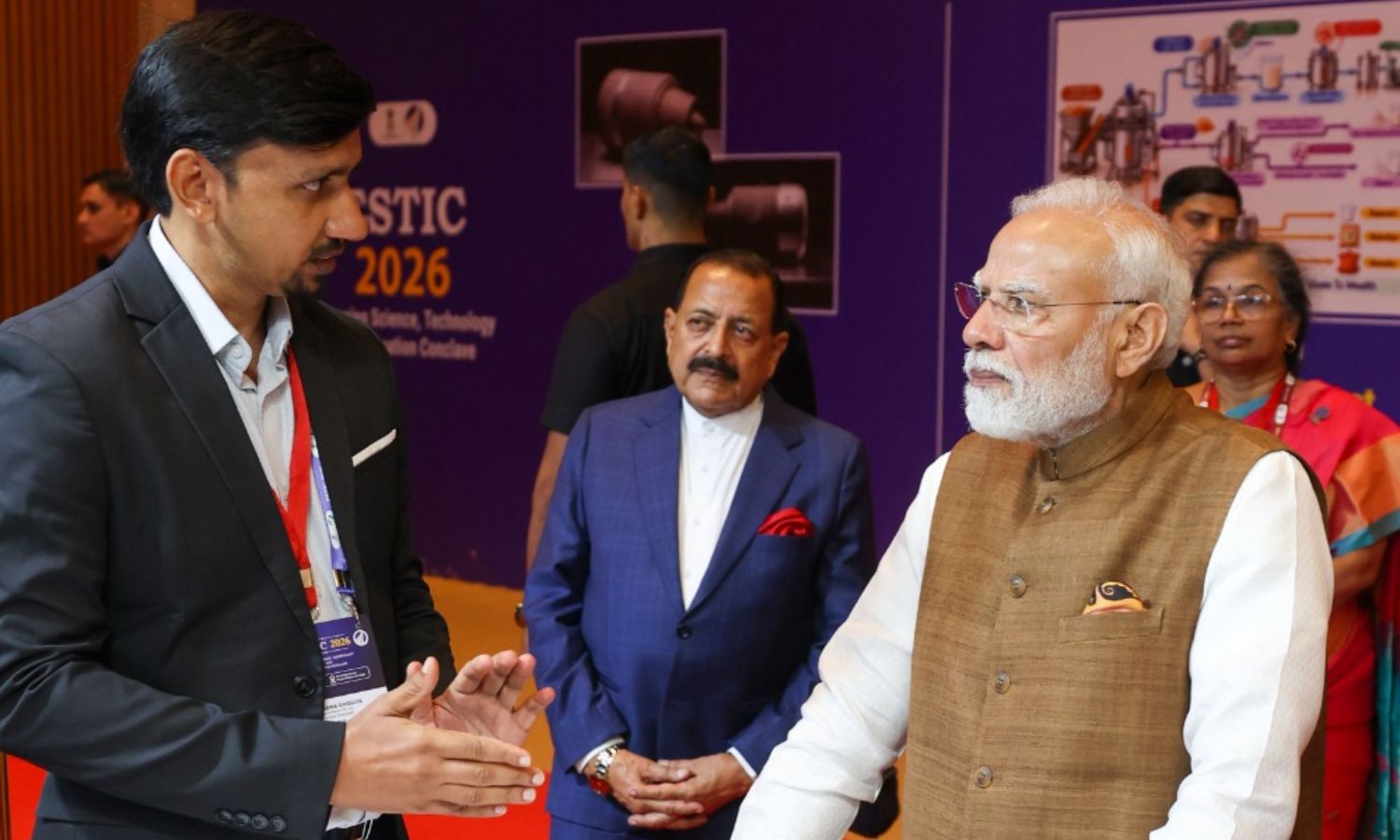
The ESTIC exhibition has become a significant platform for showcasing India's technological advancements, bringing together startups, established companies, and government officials. This year's event provided WiSig Networks with an opportunity to present its cutting-edge work to the nation's leadership, highlighting the startup's journey from incubation to real-world deployment.
WiSig Networks, incubated at IIT Hyderabad, represents the success of India's efforts to foster technological innovation through academic institutions. The startup's presence at ESTIC 2026 demonstrates how university-based research can translate into practical solutions addressing India's specific technological needs.
Perhaps most significantly, WiSig Networks showcased its operational 5G networks deployed in rural India.
At the exhibition, WiSig Networks demonstrated its indigenous 5G technology, showcasing how homegrown solutions can compete with global alternatives. The startup's approach to 5G development reflects the importance of developing domestic capabilities in critical telecommunications infrastructure.
One of WiSig's notable presentations was its Koala tag, an innovative device that represents the practical applications of the company's technological expertise. The demonstration illustrated how indigenous 5G technology can be leveraged to create specialized solutions for various sectors, potentially transforming how connectivity is utilized across different industries.
Perhaps most significantly, WiSig Networks showcased its operational 5G networks deployed in rural India. These implementations demonstrate how indigenous technology can bridge the digital divide, bringing high-speed connectivity to areas that have traditionally been underserved by telecommunications infrastructure.

Prof Kiran Kuchi, Department of #ElectricalEngineering, @IITHyderabad, had the privilege to meet the Hon’ble PM Shri Narendra Modi Ji & MOC to brief them on 5G & 6G research, commercialization being carried out at IITH and its incubated company WiSig Networks at Pragati Maidan, New Delhi. Department of Telecommunications WiSig Networks India Mobile Congress #IMC2024 @PMOIndia @EduMinOfIndia @jyotiradityasci @neerajmittal
Beyond its current 5G offerings, WiSig Networks also presented its work on emerging 6G technologies. These next-generation telecommunications capabilities represent the cutting edge of connectivity, promising even faster speeds, lower latency, and more reliable connections. India's focus on 6G research positions the country to be competitive in the next evolution of telecommunications technology.
Prime Minister Modi's review of WiSig's technologies underscores the government's commitment to supporting indigenous innovation in critical technological sectors. As India continues to develop its capabilities in telecommunications, companies like WiSig Networks, nurtured through institutions like IIT Hyderabad, are poised to play increasingly important roles in the nation's technological future.