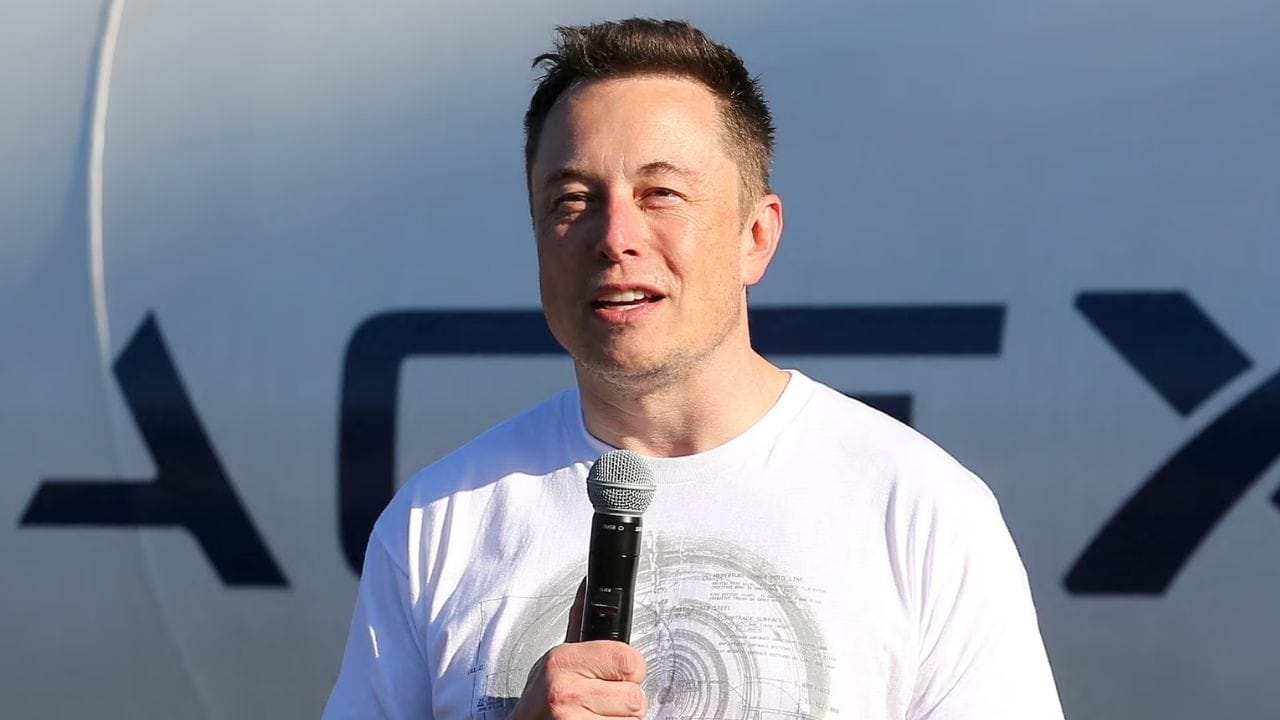
Elon Musk, the serial entrepreneur whose name has become almost synonymous with rockets, tweeted on October 19, 2026 that he would hand one of his SpaceX shares to every child in the United States next year. Why SpaceX? What does it mean for a company that has spent almost every dollar it controls on reaching orbit?
For the 72 million people who fall under the word “child” in America, the plan would assign them a slice of the space‑venture co‑founder’s private firm. If current share prices hold, the total value of that gift would hover around $10.5 billion. The math is simple—allocating one share to each of the 72 million children aggregates to that approximate valuation.
Musk’s announcement echoes earlier moves by SpaceX executives. President Gwynne Shotwell, alongside her husband, had already pledged shares for more than two million children. The new pledge does the same thing, but on a scale that represents a significant expansion of previous efforts. The public nature of the announcement gives the move a reach and urgency that the earlier promises lacked.
Musk’s gesture is not a government program but it serves a similar symbolic purpose: handing a piece of the future to the next generation.

Next year, I will give one of my SpaceX shares to every kid in America. This will be the first of many.
The plan also recalls the Trump administration’s “Trump Accounts,” a federal initiative that opened investment accounts for children and gave each a $1,000 seed deposit. That program promised to give families a hand‑up in a system that tends to leave young Americans at a disadvantage. Musk’s gesture is not a government program but it serves a similar symbolic purpose: handing a piece of the future to the next generation.
While the headlines focus on the gift itself, Musk has not yet detailed how the shares will be distributed or funded. The short answer is that the plan is in its infancy.

🇺🇸 Elon Musk says he will give one of his SpaceX shares to every kid in America next year. https://t.co/ZI27SaLeqf
SpaceX is a company that operates in the space industry. The company has been valued at significant levels in the market, and its role in future space endeavors represents an important part of its business strategy. Giving a share to every child is a symbolic gesture that ties the everyday lives of millions of Americans to the very firm that is expanding the boundaries of what is possible.
If the plan comes to fruition, it would result in millions of accounts being created. Each child would have a formal stake in a company that could shape humans’ future in orbit and beyond. The full impact on the company’s operations and ownership structure remains to be seen.

Honey, tonight, let's try for sextuplets! Why six? Elon Musk is giving every American kid a SpaceX share. Time to diversify our portfolio!
What is now clear is that Musk wants to catalyze a conversation about wealth, opportunity, and the blue‑planet legacy. It has taken a big–name far‑ceiling billionaire and turned a corporate stock into a public, philanthropic experiment. Whatever the practicalities and political noise, the gesture words from a man whose name is attached to rockets, to a billion dollars that could change 72 million never‑born accounts.