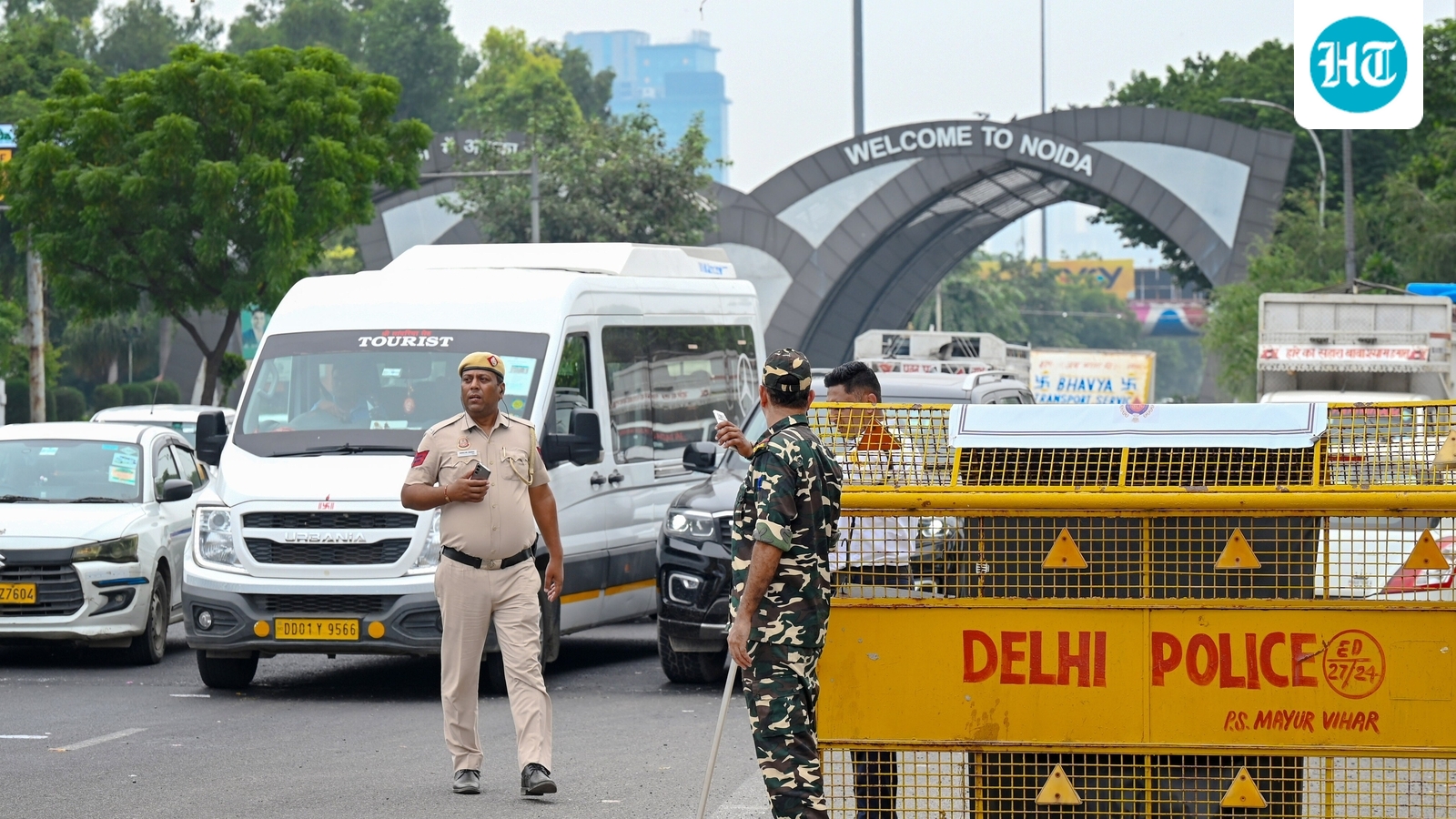
As the calendar inches toward November 1, a palpable tension hangs in the air for commuters in Noida and Greater Noida. The Delhi government’s announcement of a ban on vehicles that do not meet BS-VI emission standards has set off a ripple of concern among those who rely on their cars to navigate the bustling National Capital Region (NCR). This decision, part of a broader initiative to tackle winter pollution, is poised to affect approximately 350,000 vehicles registered in these neighboring cities. For many, the prospect of being barred from entering Delhi is not just an inconvenience; it threatens their daily routines and livelihoods.

The BS-VI emission standards represent a significant leap in environmental regulations aimed at curbing air pollution. Implemented in India to reduce harmful emissions from vehicles, these standards require that all new vehicles meet stringent criteria. However, the ban specifically targets vehicles registered outside Delhi that do not conform to these standards. This means that a staggering number of vehicles—about 970,000 petrol and 130,000 diesel vehicles in Noida and Greater Noida—will be rendered ineligible to enter the capital. The implications of this ban are profound, particularly for those who cannot afford to upgrade their vehicles.
For the daily commuter, the ban brings a host of challenges. Many individuals working in Delhi rely on their vehicles to commute from neighboring areas. The potential for fines—up to ₹5,000 for driving a non-BS VI vehicle—adds another layer of anxiety. Commuters are left grappling with a stark reality: either invest in a new vehicle, which may not be financially feasible, or face the daunting prospect of navigating public transportation, which may not be as reliable or convenient.
However, this particular ban feels different, as it imposes a significant burden on those who rely on older vehicles.
The impact of the vehicle ban extends beyond individual commuters; it reverberates through the local economy. Businesses in Noida and Greater Noida, which depend on the constant flow of workers and customers into Delhi, are bracing for a downturn. Atul Bhardwaj, a representative from the New Delhi Traders Association, emphasizes that these restrictions will directly affect business activity and the daily movement of people. The ban could disrupt supply chains and hinder the ability of businesses to operate efficiently, leading to a potential loss of revenue during a critical time of year.

Delhi Pollution: 4,500 PUC challans issued in 15 days; 40 teams deployed to enforce vehicle ban from Nov 1 https://t.co/LTLJBiIHaD
Local leaders and business representatives have voiced their concerns about the ban. Anil Bharadwaj of the Federation of Indian Micro and Small & Medium Enterprises (FISME) noted that residents of the NCR have grown accustomed to seasonal restrictions, particularly during the winter months when pollution levels rise. However, this particular ban feels different, as it imposes a significant burden on those who rely on older vehicles. The sentiment is clear: while the intent behind the ban is to improve air quality, the execution may inadvertently harm those who are least equipped to adapt.
In response to the looming restrictions, many businesses are considering a shift to remote work. Reports indicate that up to 50% of employees in both government and private sectors may need to work from home as a result of the ban. This shift could alleviate some pressure on the transportation system, but it also raises questions about productivity and employee engagement. For many, the office environment is crucial for collaboration and innovation, and the prospect of remote work may not be a viable long-term solution.

Delhi will enforce stricter ‘No PUC, No Fuel’ checks from November 1, with ANPR cameras at 500 fuel stations. Non-BS6 vehicles registered outside the capital will also be barred until January 31, 2027, under the Winter Action Plan to curb air pollution. https://t.co/9RPtB6lB5p
As November 1 approaches, commuters and businesses alike are left to navigate this new reality. The decision to enforce a ban on non-BS VI vehicles is not merely a regulatory change; it is a reflection of the ongoing struggle to balance environmental concerns with the practicalities of daily life in the NCR. For those who find themselves on the wrong side of this regulation, the future is uncertain. Will they be able to adapt, or will the ban force them into a corner?
The Delhi government's decision is a bold step toward addressing the pressing issue of air quality, but it raises significant questions about equity and accessibility. As the ban takes effect, the true impact on commuters from Noida and Greater Noida will become clearer. It remains to be seen how individuals and businesses will respond to these new challenges, but one thing is certain: the road ahead will require careful navigation and perhaps a rethinking of how we approach urban mobility in a rapidly changing environment.