
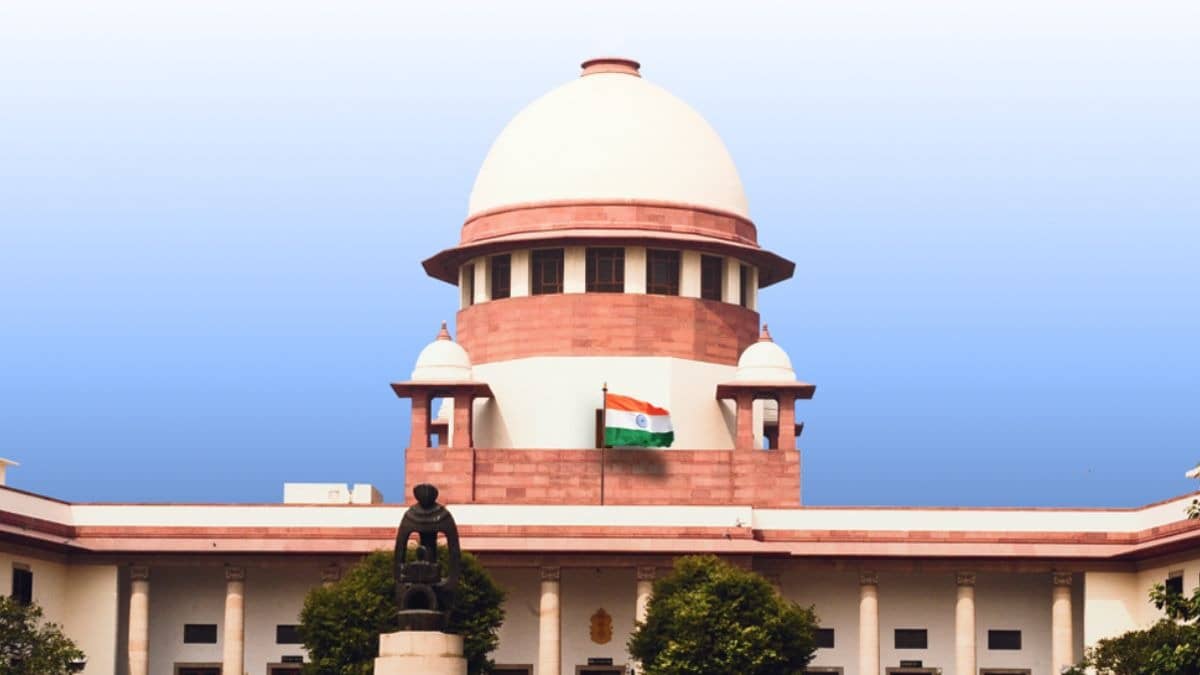
On October 27, 2026, the Supreme Court of India took a measured step in a dispute that has already drawn the nation’s attention. Rather than proceeding to a full hearing on the petitions challenging Chief Election Commissioner Gyanesh Kumar’s conduct of the SIR (Supplementary Incremental Roll) exercise, the apex court deferred the matter. In the same order, it granted the petitioners a ten-day window to respond to the Election Commission’s extensive counter-affidavit. The next substantive hearing is slated for November 17, giving both sides a brief but critical period to sharpen their arguments.
The petitions, filed by a coalition of opposition leaders and spearheaded by Rahul Gandhi, allege that the Election Commission (EC) engaged in administrative irregularities that amount to what they term “vote chori” – the illicit appropriation of votes. Central to their claim is the assertion that the SIR exercise, intended to update and clean the electoral rolls, was marred by tampering with online Form 6, the document voters use to register or update their details. Petitioners argue that such alterations undermine the integrity of the electoral process and justify the suspension of CEC Gyanesh Kumar.

From courtrooms to the streets, the SIR showdown is escalating. The EC has rejected allegations of unilateral decision-making, maintaining that its three SIR orders were unanimous. As the SC gives petitioners 10 days to respond to the EC’s 250-page affidavit, the political battle shifts to Delhi, where the INDIA bloc and BJP are preparing rival campaigns. #ElectionCommission #SupremeCourt #INDIAbloc #GyaneshKumar #BJP #TTP | @PreetiChoudhry
In response, the Election Commission filed a 248-page counter-affidavit that leaves little doubt about its confidence in the process. The document emphasizes that every decision related to the SIR was taken unanimously by the commission’s members, directly countering the petitioners’ claim of unilateral or opaque action. Moreover, the EC categorically denies any alteration of Form 6, stating that voter registration forms were not tampered with. By presenting a comprehensive defense, the commission seeks to highlight the transparency and legality of the SIR exercise.
Because the accuracy of the electoral roll underpins the legitimacy of every election, any allegation of manipulation, however technical, carries significant weight.
Form 6 is the statutory instrument through which Indian citizens register to vote or update their existing entries on the electoral roll. The SIR exercise, conducted nationwide, is designed to incorporate new voters, delete ineligible entries, and correct errors – essentially a massive data-cleaning operation. Because the accuracy of the electoral roll underpins the legitimacy of every election, any allegation of manipulation, however technical, carries significant weight. The petitioners’ focus on Form 6 reflects a broader concern that digital processes could be vulnerable to unauthorized changes, a fear amplified by the sheer scale of the SIR.

SC Defers Pleas Challenging ECI’s Functioning, Gives Petitioners 10 Days to Respond https://t.co/xNoiNZbZcO
As the clock ticks down on the ten-day deadline, both sides are likely to intensify their legal strategies. The petitioners must address the exhaustive 248-page defense, pinpointing any inconsistencies or omissions that could bolster their claim of irregularities. The Election Commission, meanwhile, will aim to demonstrate that its processes adhered to statutory mandates and that any alleged tampering is unfounded. The Supreme Court’s neutral stance suggests that the forthcoming hearing will focus squarely on the factual and legal merits, rather than on partisan considerations.
The outcome of this case will reverberate beyond the courtroom, influencing public confidence in the electoral machinery and setting precedents for how India’s democratic institutions handle disputes over voter registration. For now, the nation watches as the legal pendulum swings toward November, awaiting a decision that could either affirm the status quo or usher in a new era of electoral oversight.