
In the complex calculus of stock markets, sometimes the numbers tell conflicting stories. For HDFC Bank, India's premier housing finance institution, the second quarter of fiscal year 2027 presented just such a paradox. While the bank reported solid profit growth and strengthening balance sheets, its shares moved in the opposite direction, leaving investors questioning whether the positive developments were enough to satisfy market expectations.
On October 21, 2026, HDFC Bank unveiled its Q2 FY27 results, revealing a 4.7% year-on-year increase in profit. Digging deeper, the bank's net interest income climbed an impressive 9.7%, reaching ₹346.2 billion. Total deposits expanded robustly, growing 18.8% year-on-year to ₹33,274 billion, while the bank's total balance sheet swelled to ₹45,778 billion. These figures collectively painted a picture of a financial institution experiencing broad-based growth across multiple business lines.
Despite these positive developments, HDFC Bank shares traded lower at ₹707.60 on the National Stock Exchange during afternoon trading on the day of the results announcement. This apparent contradiction—improving fundamentals but declining stock price—reflected a market that appeared unimpressed by the bank's performance. Investors, it seemed, had expected more, or perhaps were concerned about factors not immediately apparent in the headline numbers.
Meanwhile, in the broader real estate ecosystem, Sobha Ltd presented a contrasting picture.
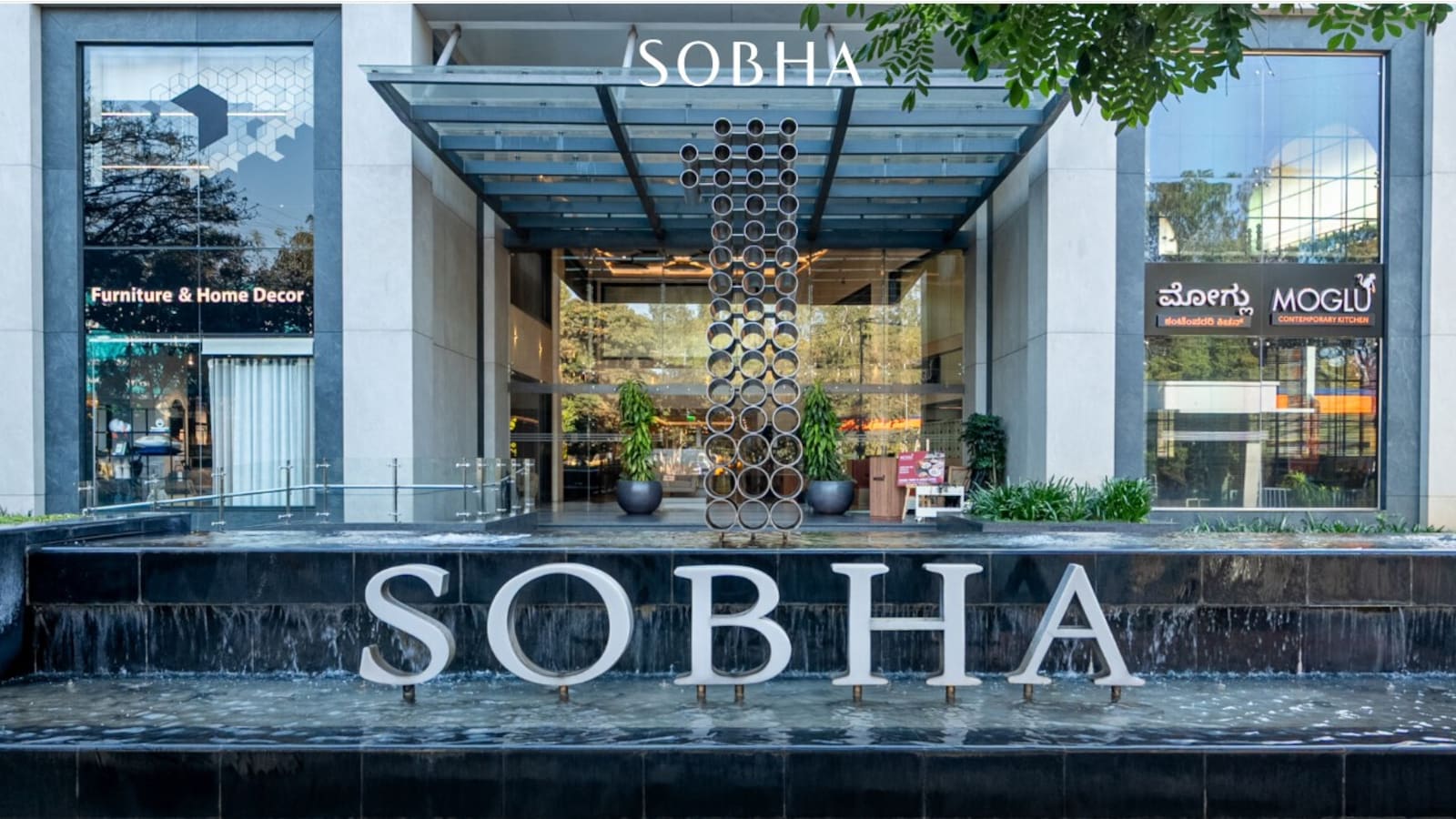
Meanwhile, in the broader real estate ecosystem, Sobha Ltd presented a contrasting picture. The company reported a staggering 55% decline in Q2FY27 net profit, which fell to ₹32.95 crore, impacted by lower income totaling ₹1,017.21 crore. Sobha's stock has been on a downward trajectory, reflecting the company's performance during the period. Despite these challenges, Sobha's Managing Director Jagadish Nangineni expressed confidence, stating: "Our H1 FY27 (April-September) performance, marked by record sales, reflects the continued trust of our customers, the strength of the Sobha brand and the successful execution of our business strategy."
One particularly bright spot in HDFC Bank's results was the improvement in asset quality. The bank's gross non-performing assets (NPAs) declined marginally to 1.11% of gross advances, down from 1.17% in the previous quarter. This reduction in bad loans suggests that the bank's underwriting standards remain robust and that borrowers are better able to service their debts. In the banking sector, improving asset quality is often a leading indicator of future performance, as it reduces the need for provisions and allows more capital to be deployed for productive lending.
HDFC Bank set aside ₹35.7 billion in provisions during the quarter, a necessary buffer against potential loan losses. While this figure represents a significant allocation of capital, it's important to note that provisions are typically based on forward-looking assessments of loan performance. The fact that the bank maintained this level of provisioning while improving its asset quality suggests a conservative approach to risk management that may reassure investors over the long term, even if it weighs on short-term profitability.

Article says “An internal probe by HDFC Bank Ltd., India’s largest bank by market value, reportedly found evidence that two senior executives disclosed confidential business strategies and potentially market-sensitive information to outsiders, according to people familiar with the matter.” Anyone found guilty of such misconduct should be dismissed. Anup Bagchi may need to undertake a comprehensive overhaul of the top management and strengthen corporate governance at both the Board and senior management levels. More importantly, HDFC Bank needs to reassess and reshape its organisational culture, ensuring greater accountability, transparency and ethical conduct at every level. Restoring trust and upholding the highest standards of corporate governance must be the top priorities. #leadership #culture #ethics #values #Corporategovernance #hdfcbank #HR #Humancapital #HRManagement #management #HDFCBank https://t.co/0GhnAuREvy
As the dust settles on Q2 results, HDFC Bank finds itself in a position of measured strength. The bank has demonstrated its ability to grow revenue and improve asset quality even in a challenging economic environment. However, the market's reaction serves as a reminder that in today's investment climate, incremental improvements may not be sufficient to move the needle. For HDFC Bank, the challenge ahead will be not just maintaining its solid performance, but exceeding expectations in a way that convinces skeptical investors of its true value.