
The world of sports mourns the loss of Mike Ditka, a larger-than-life figure whose name became synonymous with Chicago Bears football and uncompromising determination. Ditka, who died at the age of 86, leaves behind a legacy that transcends touchdowns and championships. His family announced the news with a statement that revealed not just the public figure but the private man: "It is with profound sadness that we announce the passing of our beloved husband, father, grandfather, and friend, Mike Ditka. While the world knew Mike as a Hall of Fame football player, legendary coach, and leader of the Chicago Bears' Super Bowl XX championship team, we knew him as the heart of our family. Mike will be missed beyond measure and remembered forever."
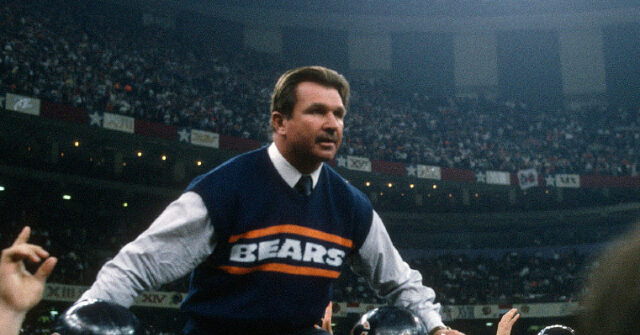
Ditka's journey began long before he became a household name, but it was his connection to the Chicago Bears that cemented his place in sports history. As a player, he brought a physical style that defined an era of football. His intensity wasn't just on the field—it was part of his identity. The Bears, the team he would later lead to glory, became his professional home, and Chicago became his adopted city, embracing him as one of their own.

NFL icon and former Chicago Bears coach Mike Ditka has died aged 86. https://t.co/UCk6aoRHax
Transitioning from player to coach, Ditka didn't mellow with age. He brought the same fire to the sidelines that he exhibited as a tight end. His tenure with the Bears reached its pinnacle in 1986 when he coached the team to victory in Super Bowl XX. That championship wasn't just a win—it was a statement about Ditka's leadership and his ability to extract maximum effort from his players. His coaching style became the stuff of legend, embodying the toughness and resilience he demanded from everyone around him.
In November 1988, while coaching the Bears, he suffered a mild heart attack.
Behind the larger-than-life persona was a body that had endured decades of punishment. Ditka's health challenges were as much a part of his story as his professional triumphs. In 1965, a foot injury affected his walking, marking the beginning of a long series of physical ailments. His hips gave him particular trouble, requiring a right hip replacement in 1984 and a left hip replacement in 1992. These surgeries left him with a noticeable limp, a visible reminder of the price his body paid for his athletic career.

Chicago Bears Icon Mike Ditka Dies at 86 https://t.co/1PyInG1bgD https://t.co/lD4oGThmQr
Perhaps most telling of Ditka's indomitable spirit was his response to serious health scares. In November 1988, while coaching the Bears, he suffered a mild heart attack. Rather than retreat, Ditka returned to the sidelines just 11 days later, demonstrating the same determination that defined his playing and coaching days. Years later, in 1999 while coaching the New Orleans Saints, he underwent cardioversion for an irregular heartbeat, another obstacle he faced head-on.
Even in his later years, Ditka remained a visible presence in the sports world. In 2012, he experienced symptoms of a minor stroke, a health challenge that might have sidelined a lesser man. Ditka, however, continued to make public appearances and remained active in golf, refusing to let physical limitations define his final years. His ability to persevere through these health issues only added to his legend, showing the same fighting spirit that had made him a Hall of Famer.

Mike Ditka, Hall of Fame tight end and legendary Chicago Bears coach, dies at 86 https://t.co/AHx3N22ayJ
Ditka's impact extended far beyond football fields. His larger-than-life persona made him a cultural icon, most famously immortalized in a classic Saturday Night Live sketch. The character of "Da Coach" captured his intensity and distinctive Chicago accent, introducing his persona to a generation of viewers who might never have watched a football game. That sketch, like Ditka himself, became part of American cultural fabric.
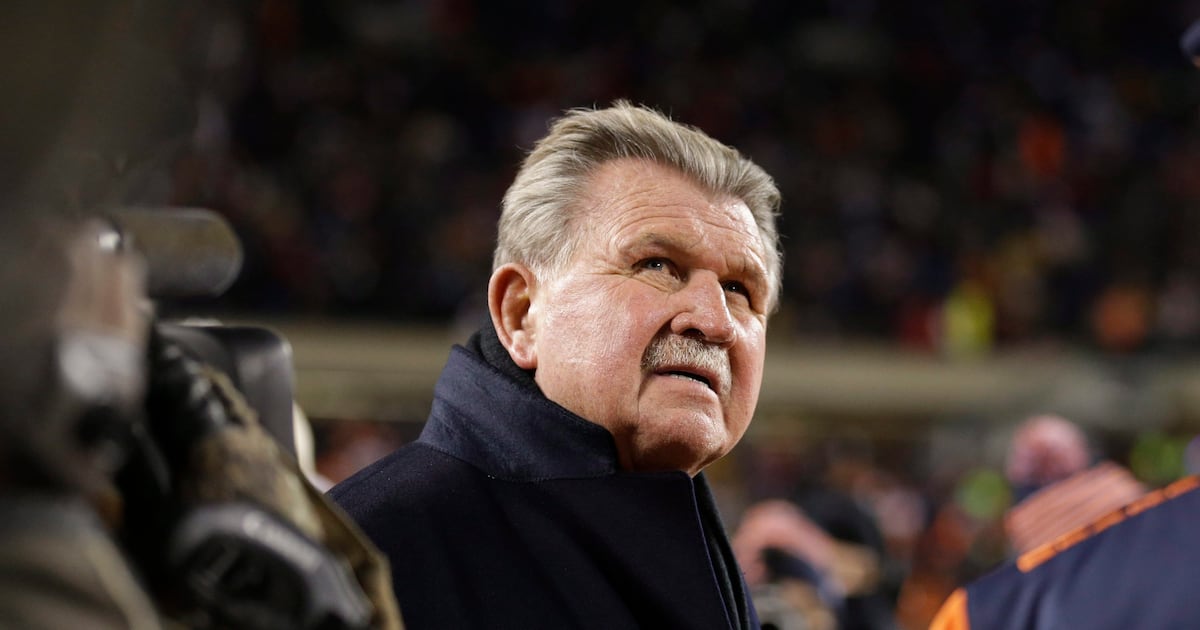
As the sports world reflects on Mike Ditka's life, it's clear that his legacy isn't measured just in wins and losses. It's found in the way he approached every challenge with the same intensity he brought to the football field. Whether he was battling on the gridiron, recovering from health setbacks, or simply living life on his own terms, Ditka did it with a distinctive style that made him impossible to ignore.
Mike Ditka's passing marks the end of an era in football, but his influence continues to resonate. The Bears organization, the team he led to its only Super Bowl victory in the modern era, will forever be connected to his name. And for those who knew him beyond the public persona—the family who mourns a husband, father, and friend—his memory endures not in highlight reels but in the everyday moments that defined his life off the field.