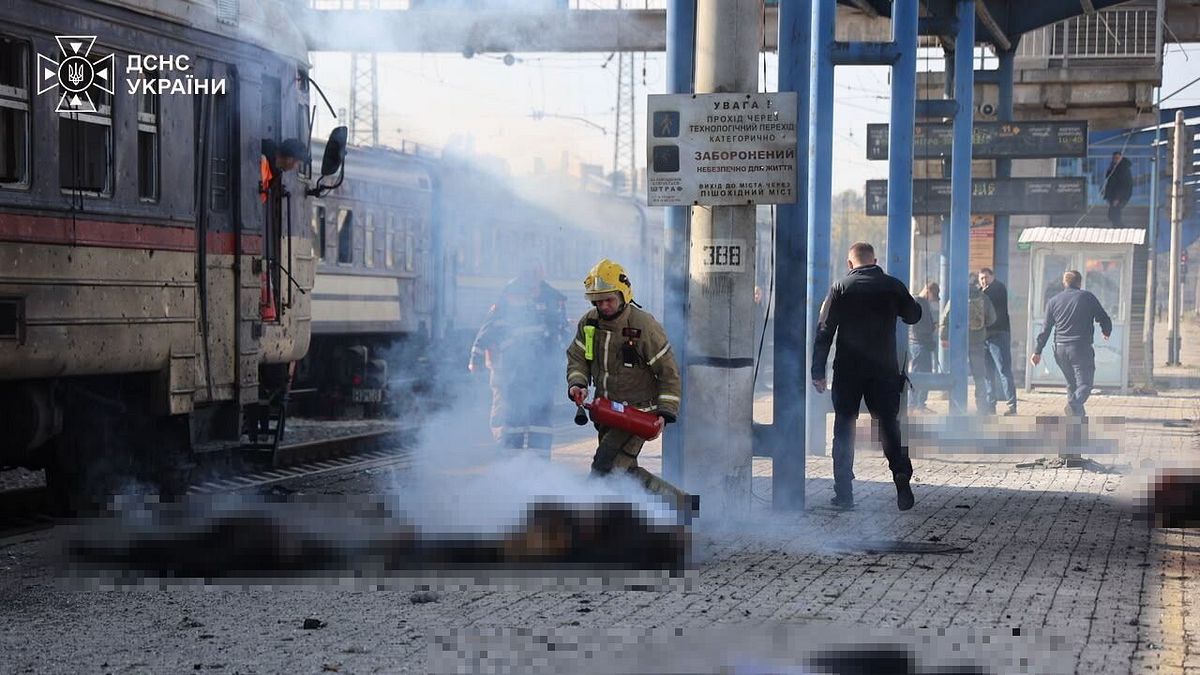
On October 29, 2026, the rhythm of daily life in central Ukraine was violently interrupted. At a railway station platform in the Dnipro region, the mundane sounds of transit—the idling of engines, the chatter of commuters, the anticipation of arrival—were replaced by the sudden, devastating impact of a Russian drone strike. The target was not a military installation or a strategic depot, but a platform where a regular commuter train and a scheduled passenger train sat stationary, waiting to carry people to their destinations.

The precision of the strike turned a hub of movement into a scene of carnage. The drone struck a train directly on the platform, transforming a vessel of public service into a site of mass casualty. The immediate aftermath was a landscape of wreckage and grief, as the strike claimed the lives of at least 13 people and left a dozen others wounded, with reports indicating injury counts ranging from five to ten individuals in the immediate wake of the blast.
For those on the ground, the event was not merely a military engagement but a profound violation of civilian safety. Borys Filatov, the mayor of Dnipro, described the incident as a 'trauma,' emphasizing the specific cruelty of the strike: a drone had targeted a civilian electric train. This was not a stray piece of ordnance; it was a direct hit on the infrastructure that allows a nation to function and its people to move.
President Volodymyr Zelensky has characterized the strike not as a tactical maneuver, but as an act of pure terrorism.
Oleksandr Ganzha confirmed the grim toll, noting that 13 people were killed and at least five others were injured in the attacks within the Nipro region. The nature of the strike—using unmanned aerial vehicles to hit transit hubs—underscores a pattern of aggression aimed at the very arteries of Ukrainian life. This was an attack on the ability to travel, to work, and to exist in public spaces without the shadow of sudden, lethal violence.

I can't find words. Dnipro 💔 A railway platform is covered in people's bodies after a Russian strike. Russia started this war. Russia continues killing Ukrainian civilians every single day. Russia won't stop until it is stopped. https://t.co/VLBjKf5C3w
While the tragedy felt sudden to those on the platform, the atmosphere in Ukraine had been thick with anticipation of such violence. The Ukrainian government had previously issued warnings regarding increased risks to the population. Oleksandr Partsovsky noted that warnings of increased risks had been issued before the attack took place, suggesting that the vulnerability of the rail network was a known factor in the ongoing conflict.
Despite these preemptive calls for vigilance, the sheer speed and lethality of the drone strike bypassed the protections intended for the citizenry. The strike on the Dnipro station serves as a stark reminder that even with heightened awareness, the technological reality of modern warfare—specifically the use of drones against civilian targets—creates a landscape where safety is increasingly fragile.
In the wake of the carnage, the political response has been one of urgent condemnation and a demand for structural change. President Volodymyr Zelensky has characterized the strike not as a tactical maneuver, but as an act of pure terrorism. His message to the international community has been clear: the escalation requires more than just sympathy; it requires systemic consequences.
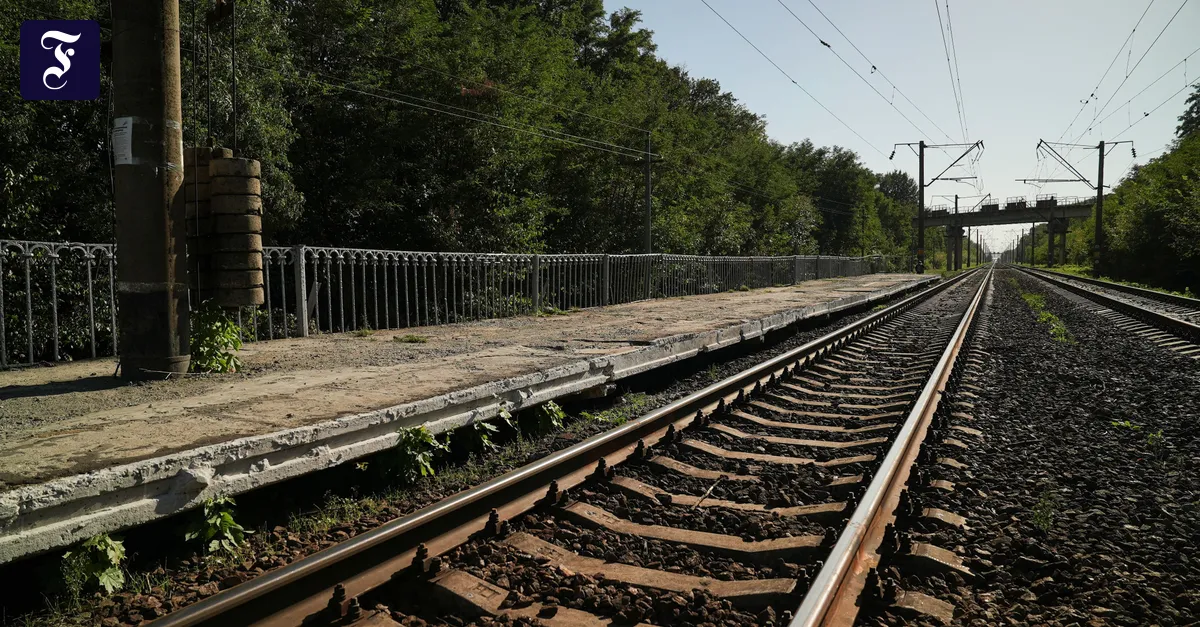
Zelensky has called for new sanctions to be leveled against Russia, arguing that the current measures have not been sufficient to deter such strikes on civilian infrastructure. He has specifically looked toward the West, stating that 'just and resolute actions' are required from America and Europe to meet the Russian escalation. For Zelensky, the blood on the Dnipro platform is a call to action for the global powers to move beyond rhetoric and into the realm of decisive, material intervention.
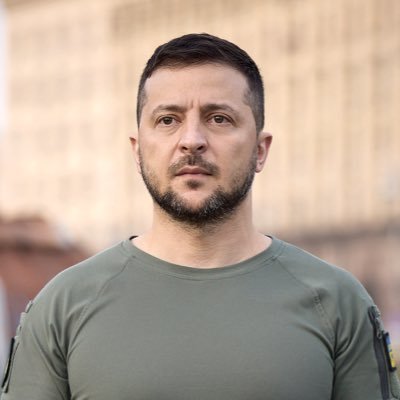
Thank you, Emmanuel, for your condolences. Unfortunately, the death toll from the Russian strike on a commuter train in Dnipro has already risen to 14. And just a few hours ago, the Russians struck a residential neighborhood in Chernihiv with a drone and killed two girls. They were only 15 years old. In Kremenchuk, a Russian “shahed” struck an apartment building. Tragically, three people were killed. My condolences to all those who lost their loved ones. In these three attacks alone, 56 people have been reported injured, including 10 children. These are deliberate strikes against civilians, brazen in their cruelty, and the Russians are carrying them out right as the humanitarian operation in Oleshky is unfolding. Russia’s signals are clear – they want the war to continue, and everyone around the world must still work very hard to achieve major de-escalation through strong steps and appropriate pressure on the aggressor. Peace is needed – and for that to happen, Russia must end its war and terror.
As Ukraine grapples with the physical devastation of the drone strike, the broader landscape of regional security appears to be fraying on multiple fronts. On the same day, October 29, 2026, a different kind of aggression was unfolding in Moldova. A massive cyber-attack targeted the Moldovan government systems, signaling that the instability in the region is not limited to kinetic warfare.
The scale of the digital breach is staggering. Authorities report that the attack targeted one million personal identification numbers, resulting in the theft of 750,000 data sets. This digital onslaught, occurring simultaneously with the physical strikes in Ukraine, highlights a multi-dimensional campaign of destabilization. In Moldova, officials have been forced to convene emergency meetings to address the breach and the massive loss of sensitive citizen data.
What occurred in Dnipro and what is currently unfolding in Moldova represent a convergence of modern threats. The ability to strike a commuter train with a drone and the ability to hollow out a government's data security through a cyber-attack are two sides of the same coin: the targeting of the civilian foundation to induce chaos.
As of now, the Dnipro region remains in mourning, and the international community faces the mounting pressure of Zelensky's demand for sanctions. The events of October 29 serve as a grim benchmark for the ongoing aggression, leaving a population to navigate a world where the platforms of daily life have become the front lines of a much larger, more complex war.

🇬🇧🇺🇦🇷🇺 Russia Warns UK Over New Storm Shadow Missiles For Ukraine Russian Foreign Ministry spokeswoman Maria Zakharova says Britain’s continued supply of Storm Shadow missiles represents an escalation and warned Moscow will target the weapons. 🇬🇧 Britain isn’t backing down. The message from London remains clear, Ukraine will continue receiving the weapons it needs to defend itself and strike legitimate military targets.