
On October 26, the capital city of Tehran hosted a significant gathering that has since spread through Arabic-language media. Representatives from Iran, Turkey, Pakistan, and Saudi Arabia came together for a quadrilateral meeting focused on regional security. Dr. Mohsen Rezaei, the Secretary of Iran’s National Security Council, chaired the session alongside the Saudi Minister of Defense, the Pakistani Chief of Army Staff, and the Turkish Chief of General Staff. The objective was clear: to define an agenda and establish priorities for these four nations to manage their own security, rather than waiting for outside powers to dictate terms. This preliminary step was designed to move beyond theoretical discussions and toward a shared operational framework.
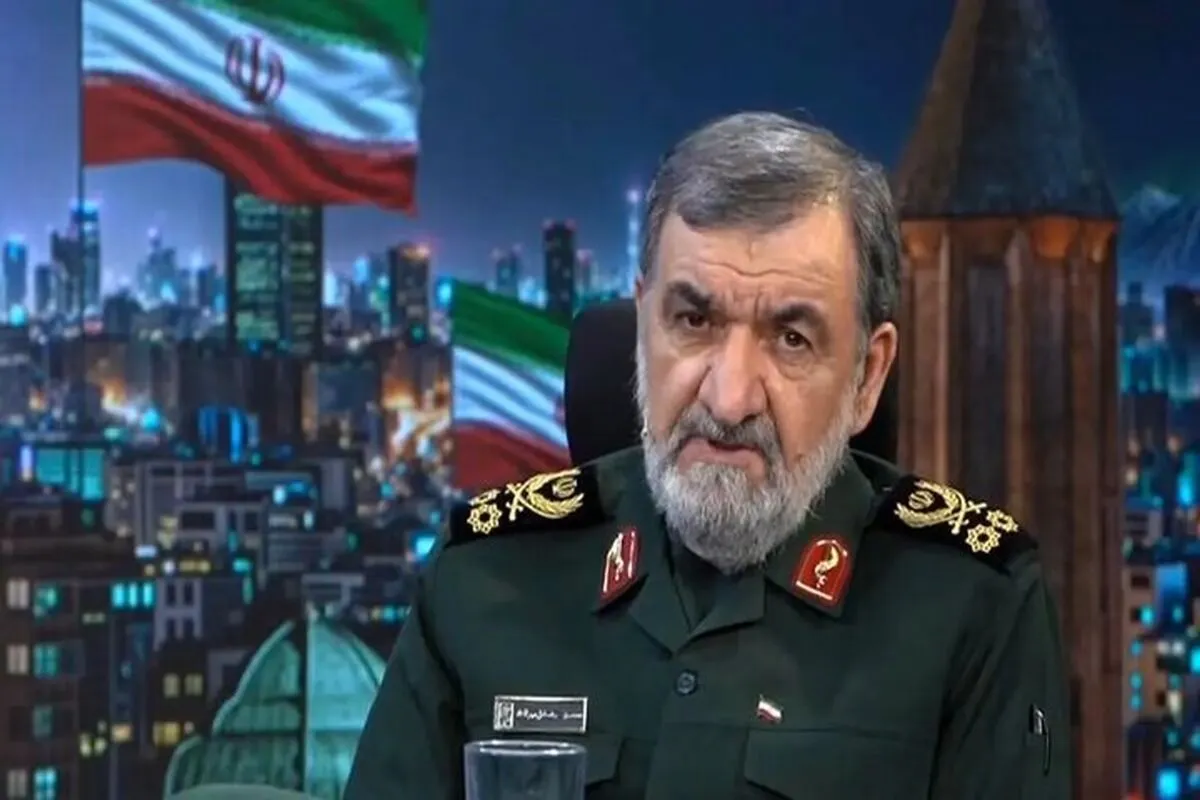
A central theme that emerged from the Tehran talks is the need to internalize security in West Asia. Officials from all four delegations agreed that the region’s stability must rely on internal factors. They concluded that all forms of external intervention should be prevented. This sentiment was echoed by the Turkish delegation, which emphasized that security in the West must depend on the region itself. The consensus suggests a profound shift in strategy, moving away from reliance on distant superpowers and toward a self-contained security architecture. By taking responsibility for their own defense, these nations aim to insulate the region from the volatile politics of foreign agendas.
A key part of the discussion involved assessing the impact of American threats on global and regional affairs. The Iranian leadership noted that the trip of senior officials from Turkey, Pakistan, and Saudi to Iran demonstrated that American threats have little influence on the countries of the world. This observation was reinforced by the observation that the results of Iran’s national resistance are becoming more positive day by day. The authority of Iran’s armed forces and the daily impact of its national resilience were highlighted as factors that reduce the effectiveness of external pressure. By asserting this independence, the four nations signaled that their security choices are no longer easily swayed by external intimidation.
Russian diplomat Mikhaylo Fyodorovich Ulyanov reacted to the quadrilateral meeting in Tehran.
The joint statement issued from the conference included specific demands regarding the status of the region. It called for the Zionist regime to withdraw from southern Lebanon, southern Syria, Gaza, the West Bank, and the Jordan River. The requirement to cease aggression was a firm part of the diplomatic output. This specific listing of territories underscores the depth of the regional concerns that led to the meeting. It is not merely a call for general peace, but a specific directive aimed at reversing the current military and political status quo. The inclusion of these details in the joint statement highlights the urgent desire to end ongoing conflicts and restore stability to the immediate neighborhood.
The significance of this gathering was noted beyond the region. Russian diplomat Mikhaylo Fyodorovich Ulyanov reacted to the quadrilateral meeting in Tehran. He commented that it was truly important news, suggesting that the countries of the region have decided to take the issue of regional security into their own hands. Ulyanov viewed the conference as a demonstration of commitment among regional nations to assume responsibility for their own security. His reaction adds a layer of international validation to the Tehran talks, suggesting that this move is being watched closely by other global powers as a test of regional autonomy.
The meeting was framed as the beginning of a new era of cooperation. It was noted that cooperation among the region’s powers should have begun long ago. The presence of senior officials from all four countries served as a proof that the threat of external pressure does not deter them from forging their own path. The solution to regional problems, according to the participants, lies in the cooperation of all four countries together. This mutual reliance is intended to create a more stable and predictable environment. By aligning their strategies, these nations aim to create a buffer against the chaos that has plagued the area for years.
As the world watches, the Tehran quadrilateral stands out as a bold attempt to reshape the security landscape. It is not just a meeting of officials, but a declaration of intent to manage the region's own destiny. The emphasis on internal security, the demand for withdrawal from occupied territories, and the dismissal of the power of external threats all point to a new phase in Middle Eastern politics. This phase is characterized by a refusal to be passive participants in a system controlled by outside forces. The goal is a West Asia that is secure because of its own internal cohesion, not because of external protection. The road ahead will require continued dialogue and strong bilateral and multilateral cooperation to make this vision a reality.

The events of October 26 mark a turning point. The agreement to prevent external intervention and to manage security internally is a significant departure from previous diplomatic norms. The joint statement serves as a blueprint for this new approach. It is a commitment to a future where the region’s problems are solved by the region’s own countries, working together. This collaborative effort is seen as the key to lasting peace and stability. The world now waits to see how these four nations will implement their shared agenda on the ground.