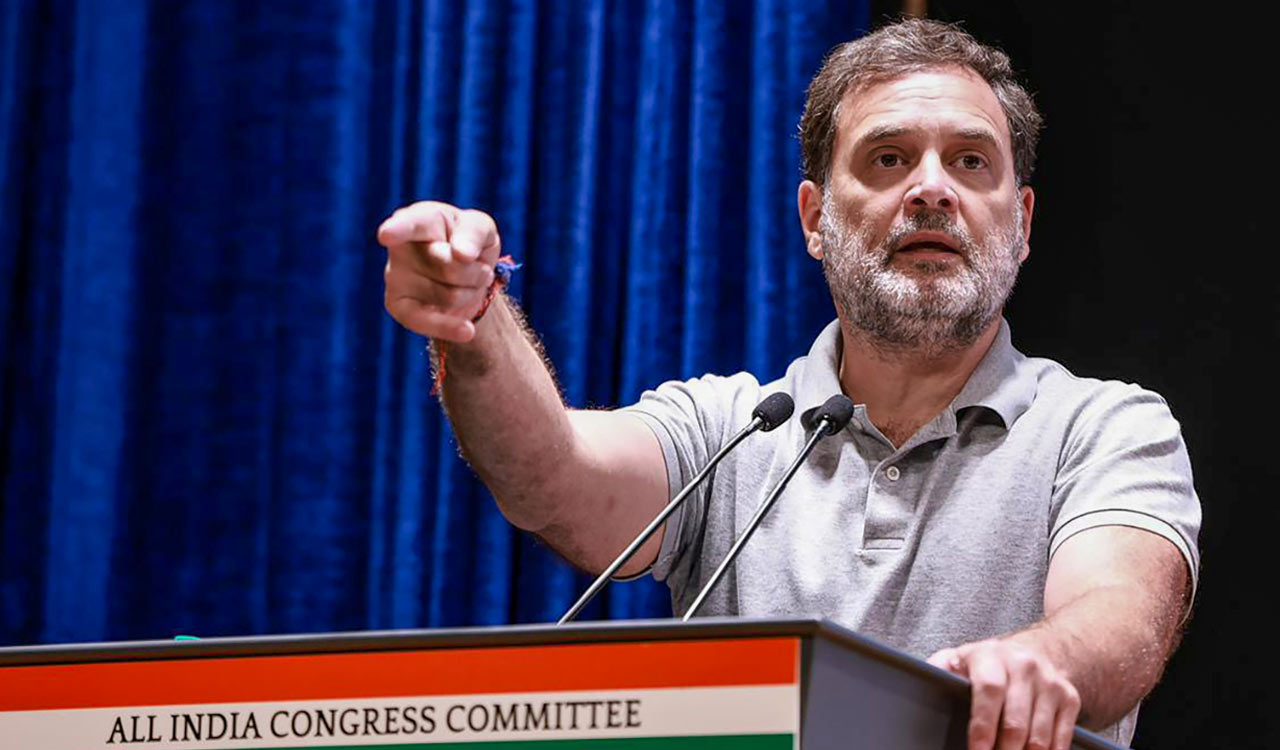
On October 28, 2026, the political and corporate landscapes of India collided in a single, dramatic tableau. Congress leader Rahul Gandhi, known for his vocal opposition to the ruling Bharatiya Janata Party, stepped into the spotlight to denounce the Tata Group, a conglomerate that has long symbolised Indian industrial prowess. His claim was stark: “Tata is being criminally destroyed.” The phrase was a direct indictment of the group’s leadership and the state’s role in its governance.
The controversy had its roots in the boardroom of Tata Sons, the holding company that steers the Tata Group’s diverse interests. Noel Tata, a scion of the family and an influential figure within the conglomerate, challenged the board resolution on N. Chandrasekaran’s re‑appointment as executive chairman.
Rahul’s accusation was part of a broader debate about the politicisation of business matters, with the exchange highlighting tension between business interests and political influence in corporate governance.
The Tata Group has long been considered a flagship Indian conglomerate.
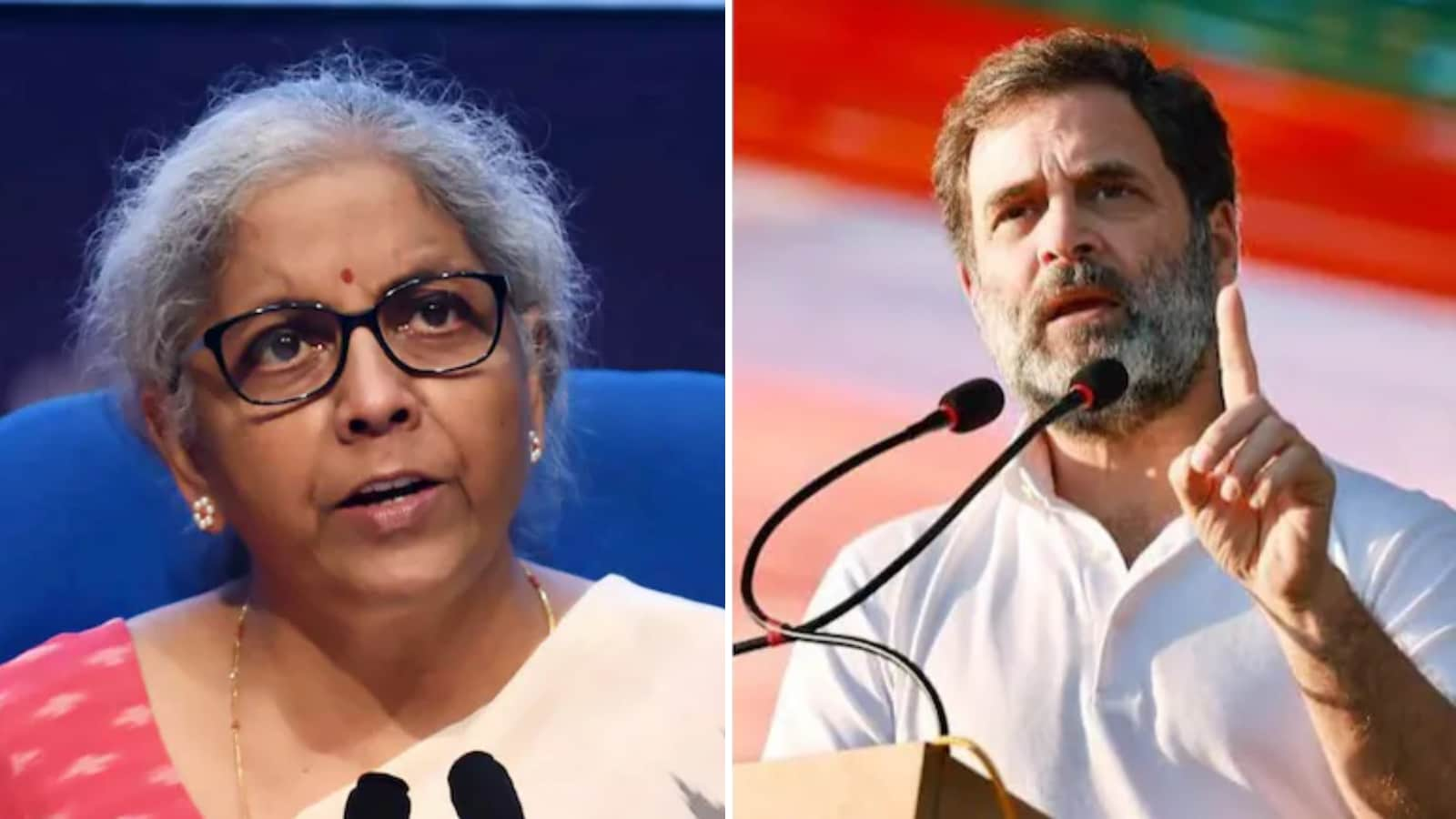
Finance Minister Nirmala Sitharaman, a key architect of India’s economic policy, responded with equal force. In a statement that was broadcast across multiple media outlets, she accused Gandhi of politicising commercial and legal matters. “I suggest you refrain from politicising every issue. Also, casually labelling commercial and legal matters as criminal is unacceptable,” she said. Sitharaman’s retort was a challenge to the narrative that the government was acting against the interests of a major Indian conglomerate.
Amid the flurry of public statements, Noel Tata’s position remained a focal point. His challenge to Chandrasekaran’s re‑appointment signalled that the Tata family was not content to accept the status quo. While the group’s leadership had not issued a formal response to Gandhi’s accusations, the family’s internal debate was already underway.
The Tata Group has long been considered a flagship Indian conglomerate. The dispute reflects ongoing tensions between corporate governance and political influence in India.

Tata power battle | Is there a political angle to this, or is Rahul Gandhi simply shooting and scooting? Political analyst, Shankar Iyer (@ShankkarAiyar), responds to this and more. Listen in #Tata #TataPowerBattle #NewsToday | @sardesairajdeep https://t.co/PJEzsDj8Vd
Beyond the immediate quarrel, the dispute touches on larger questions about transparency, accountability, and the role of the state in corporate affairs. If the government is perceived to be siding with a conglomerate at the expense of fair competition, it could erode public trust. Conversely, if the conglomerate is seen as being undermined by political forces, it could set a precedent for future interventions.
As of the latest reports, the Tata Group and the government have not issued a formal response to the accusations. The debate remains alive in the public sphere, with both sides poised to defend their positions. The next steps will likely involve legal scrutiny of the board’s resolution and a possible re‑evaluation of the group’s governance structure. For now, the day’s exchanges have left a clear imprint: a clash of narratives that will shape the conversation about India’s corporate future for weeks to come.