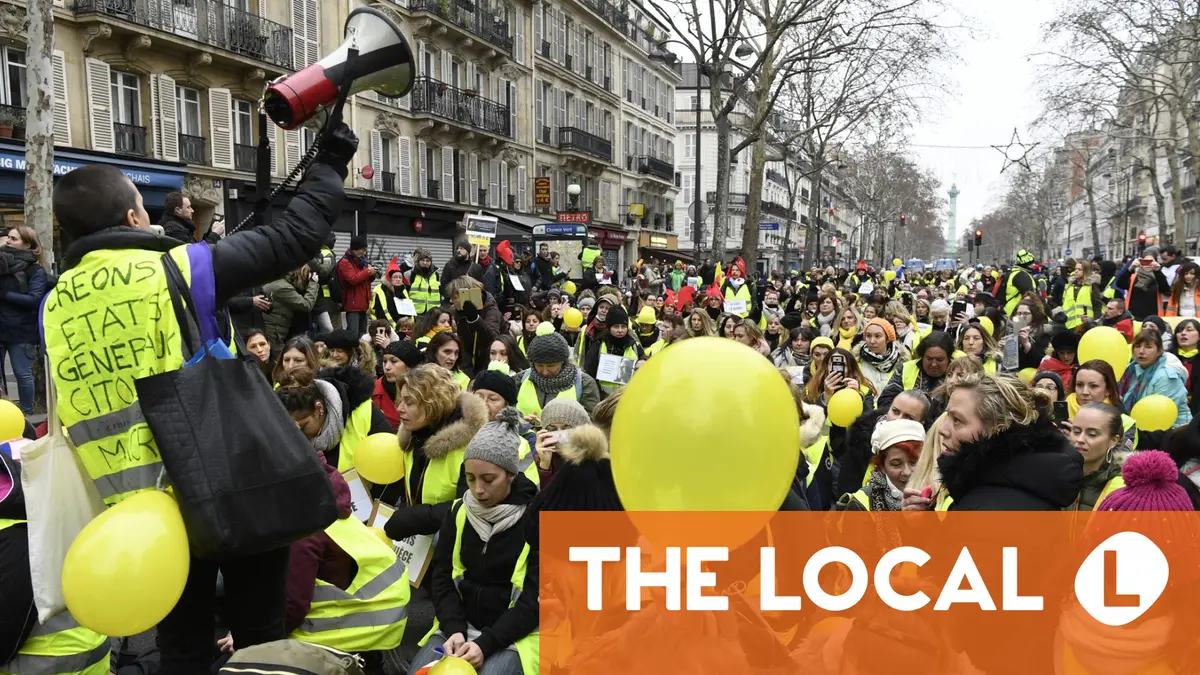
In the landscape of French political unrest, the Gilets Jaunes—or Yellow Vests—have long served as a visceral reminder of a disconnect between the executive branch and the citizenry. By calling for a new, nationwide mobilization scheduled for October 31, the movement is attempting to reignite a fire that has flickered across the country for years. This latest call to action is not merely a reaction to a specific policy, but a broader declaration of intent to reclaim public space and defend the democratic right to gather.

The grievances fueling this latest mobilization are rooted in a deep-seated frustration with the administration of President Emmanuel Macron. The movement’s leadership, including coordinators Benjamin Ball and Azelma Sigaux, have been vocal in their assessment of the current political climate. They argue that the government has adopted an increasingly 'authoritarian drift,' characterized by a systematic refusal to listen to the public. For those in the movement, the government’s approach is defined by what they describe as 'contempt, lies, and repression,' creating a chasm between the Elysée Palace and the streets.
A central pillar of the upcoming protests is the fight for the freedom to protest itself. The movement points to the frequent prohibition of marches by the executive branch as evidence of a state attempting to stifle dissent. By criminalizing the movement, the Gilets Jaunes argue that the government is attempting to dismantle the unity that has been slowly building among diverse segments of the population, including students, workers, and retirees.
By occupying these seats of power, the protesters aim to force a confrontation with the institutions they believe have ignored their voices.
For the October 31 demonstrations, the movement has shifted its tactical focus. Rather than traditional marches, which have frequently been met with official interdictions, the organizers are calling for sit-ins and gatherings. These actions are planned to take place directly in front of the National Assembly and local city halls across France. By occupying these seats of power, the protesters aim to force a confrontation with the institutions they believe have ignored their voices. It is a calculated move to ensure visibility while navigating the legal hurdles placed before them.
The emotional core of this movement remains a sense of profound neglect. 'There is an anger in this country that is not being heard,' stated Ball and Sigaux. This sentiment is the engine of the Gilets Jaunes’ endurance. They view the government’s attempts to categorize their actions as mere disorder as a deliberate strategy to divide the citizenry and prevent the formation of a unified front. The movement’s stated goal is to counter this division with a message of solidarity, asserting that their response to state pressure is, quite simply, union.
This call for mobilization comes against a backdrop of recent volatility. The Gilets Jaunes have called for a new mobilization on October 31 to defend public freedoms and oppose what the movement calls an 'authoritarian drift' by the government. Tactics for the October 31 protests include sit-ins and rallies in front of the National Assembly and local city halls. The movement's coordinators, Benjamin Ball and Azelma Sigaux, have publicly denounced the government's 'contempt, refusal to listen, lies and repression.' The executive branch has frequently prohibited marches, which the movement characterizes as a criminalization of their cause. The movement seeks to build a 'united front' involving students, workers, and retirees.

Macron cancels planned visits to Nigeria and Senegal French President Emmanuel Macron has cancelled a planned late October mini-tour of West Africa that was due to include stops in Abuja and Dakar, according to The Africa Report. The trip would have included meetings with Nigerian President Bola Ahmed Tinubu and Senegalese President Bassirou Diomaye Faye. The report said the decision was taken as Macron faces an unprecedented wave of social unrest in France. The visit had been expected to form part of France’s diplomatic engagement with key West African partners. https://t.co/zmSYykE6n5