
The 2026 Israeli elections marked a pivotal moment in the country's political landscape, with various parties vying for power. In the aftermath of the elections, accusations began to surface that Qatar was playing a role in influencing the outcome. According to reports, these claims were seen as part of a broader strategy to exploit internal political differences and distract from other issues.
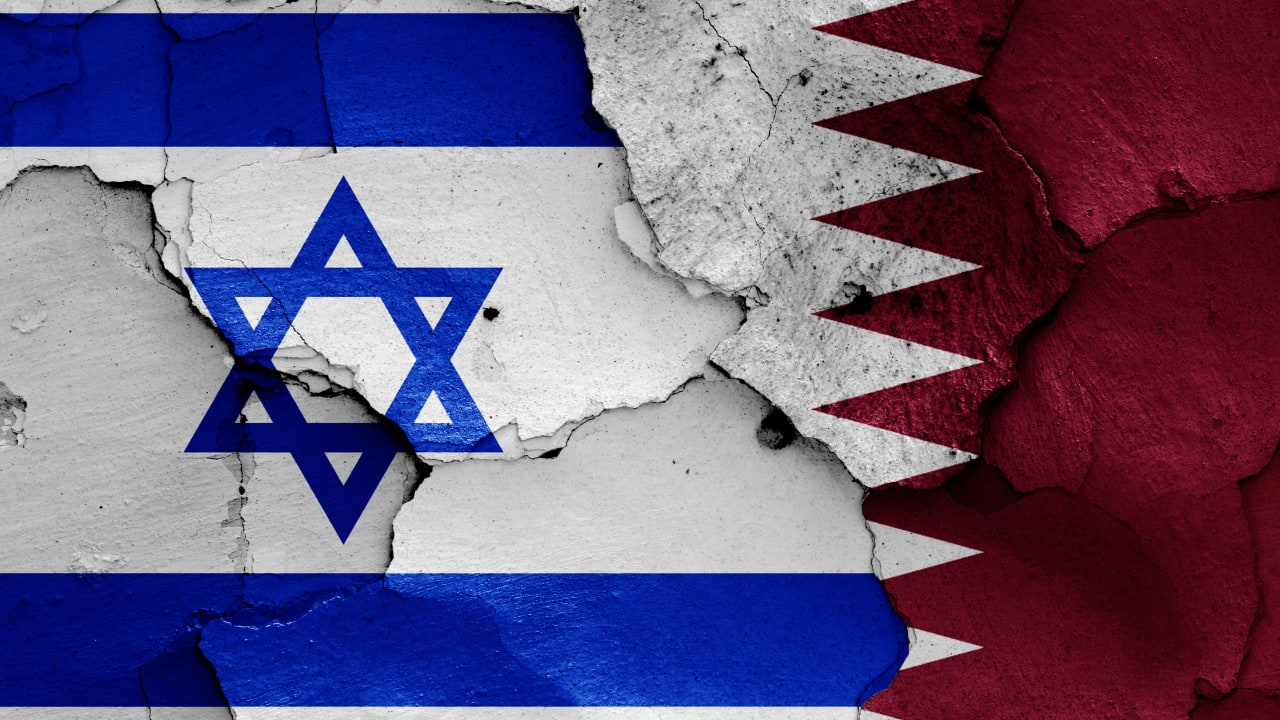
On October 29, 2026, Qatar's foreign ministry spokesperson, Majid Al-Ansari, issued a strong denial. In a statement, Al-Ansari emphasized that such claims were both ridiculous and dangerous. He stated, 'Qatar rejects the allegations made by Israeli politicians and their affiliated media.' Al-Ansari's statement was clear and unequivocal, leaving no room for ambiguity. The Qatari government's stance was that these accusations were being used as a political tool by certain Israeli politicians and media figures.

BREAKING: Qatar 'categorically denies' accusations of interference in Israeli elections 🔴 LIVE updates: https://t.co/yjlvsLP0MB https://t.co/W3zFVHGmAN
Al-Ansari went on to accuse Israeli politicians and their media contacts of engaging in a disinformation campaign. He stated, 'Such unfounded and dangerous accusations are a manifestation of excessive concern about Qatar in Israeli circles.' The Qatari spokesperson urged the incoming government to engage seriously with the Palestinian issue, suggesting that the accusations were a distraction from more pressing matters.
They were part of a larger narrative in the region, where disinformation and political maneuvering are common tools.
Qatar's denial was not just a matter of public relations; it was a serious concern for the country. The spokesperson emphasized the dangerous nature of these claims, stating, 'Doha rejects the dissemination of false information with the aim of tarnishing Qatar's reputation to exploit internal Israeli political differences.' The Qatari government's response was a clear indication that it would not remain silent if its name was used in such a manner. Al-Ansari's statement was particularly pointed, saying, 'Qatar will not remain silent about the misuse of its name for political gains or limited achievements in Israeli elections.'

Qatar 'categorically denies' accusations of interference in Israeli elections.
The accusations against Qatar were not just isolated incidents. They were part of a larger narrative in the region, where disinformation and political maneuvering are common tools. The Qatari government's denial was a response to a complex web of political and media dynamics. According to Al-Ansari, 'These accusations are ridiculous and dangerous in equal measure. Qatar should not be used as a scapegoat for the political failures of certain Israeli politicians.' The Qatari government's stance was that such accusations were not only baseless but also harmful to regional stability.
As the new Israeli government takes shape, the implications of these accusations are likely to be felt in various ways. The Qatari government's response was a clear indication of its commitment to maintaining its reputation and addressing any misuse of its name. The incoming government in Israel will need to navigate these complexities carefully, balancing domestic politics with regional dynamics. The Qatari denial serves as a reminder of the delicate balance between political maneuvering and the need for transparency and cooperation in the region.

#Qatar Denies Interference in Israeli Elections https://t.co/yUwiWwE1Qk