
On the morning of October 28, 2023, the routine rhythm of high-speed travel in southern Spain was violently interrupted. Near 9:00 AM, in the stretch of countryside between Los Ábenes and Urda in Toledo, Castilla-La Mancha, the silence of the morning was broken by a catastrophic collision. Two high-speed trains, traveling the vital corridors of the Spanish rail network, met with devastating force.
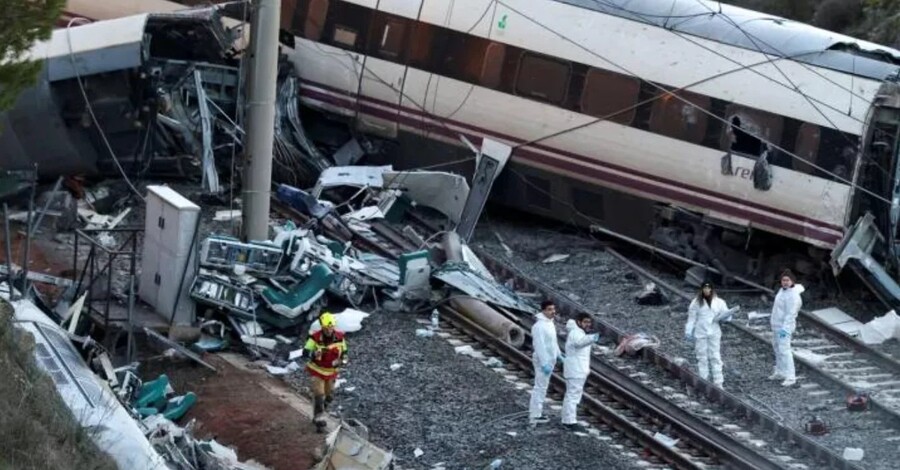
The scale of the impact was immediate and harrowing. An AVE train, operated by the state-owned Renfe, collided with a stationary Iryo train, a private operator. The force of the collision was so immense that four carriages overturned, turning a moment of transit into a scene of wreckage and chaos. For the 540 people on board the two trains—147 passengers within the Iryo wagons and 397 within the AVE wagons—the world changed in an instant.
As rescue operations commenced, the grim reality of the accident began to emerge. Initial reports confirmed that at least 30 people had died, though the potential for more fatalities loomed over the wreckage. The carnage left a trail of injury in its wake, with at least 50 people requiring medical attention.
As the scale of the disaster became clear, the political landscape also reacted.
In the immediate aftermath, the Spanish government moved to mobilize its full medical and emergency apparatus. Emergency centers were established at major hubs, including Atocha and Seville, to coordinate the relief efforts and provide a centralized point for those affected by the disaster.

The death toll from a collision between two high-speed trains in Spain has risen to 64, up from the earlier reported 50. The accident occurred at around 8:54 a.m. local time (0754 GMT) near Urda station in the province of Toledo, about 120 km south of Madrid. #Spain #TrainCollision
For many in Spain, the images of overturned carriages and the frantic movement of emergency services were painfully familiar. The tragedy in Toledo brought back stark memories of a similar accident in January that had claimed 46 lives. This sense of déjà vu added a layer of profound grief to the national mood, as the country faced yet another high-profile failure in a system designed for speed and safety.
As the scale of the disaster became clear, the political landscape also reacted. The incident drew criticism from the government, as the nation sought answers for how such a failure could occur on high-speed lines. The collision effectively severed a major artery of Spanish travel, leading to the suspension of train services between Madrid and Andalusia.
While the physical wreckage was being cleared, a different kind of investigation began: the search for the cause. Early indications pointed toward a breakdown in the systems meant to prevent such an occurrence. The Spanish government suspects that human error within the dispatch center may have played a role in the collision.


#BREAKING: The death toll from a collision between two high-speed trains in Spain—which were traveling in the same direction—has risen to 30. One of the trains, en route from Madrid to Seville, struck a stationary train, causing two carriages to derail. The cause of the accident remains unknown, according to a local official, who noted that the trains were operated by the companies Renfe and Iryo. This is the second such incident within a year, following a fatal collision between two other trains from the same companies last January.
In the wake of the crash, Prime Minister Pedro Sánchez addressed the nation, expressing the heavy weight of the moment. He spoke of the shock and the coordination required to manage a crisis of this magnitude.
"I am shocked by the serious train crash in Toledo," Sánchez stated. "I am in constant contact with the transport minister and the president of Castilla-La Mancha. Emergency services are working with all relevant administrative units to assist the injured and ensure their safety."
As the investigation continues into whether the error was mechanical or human, the focus remains on the victims and the families left behind. The collision in Toledo stands as a grim reminder of the stakes involved in high-speed transit, leaving a country to wonder how such a tragedy could repeat itself.