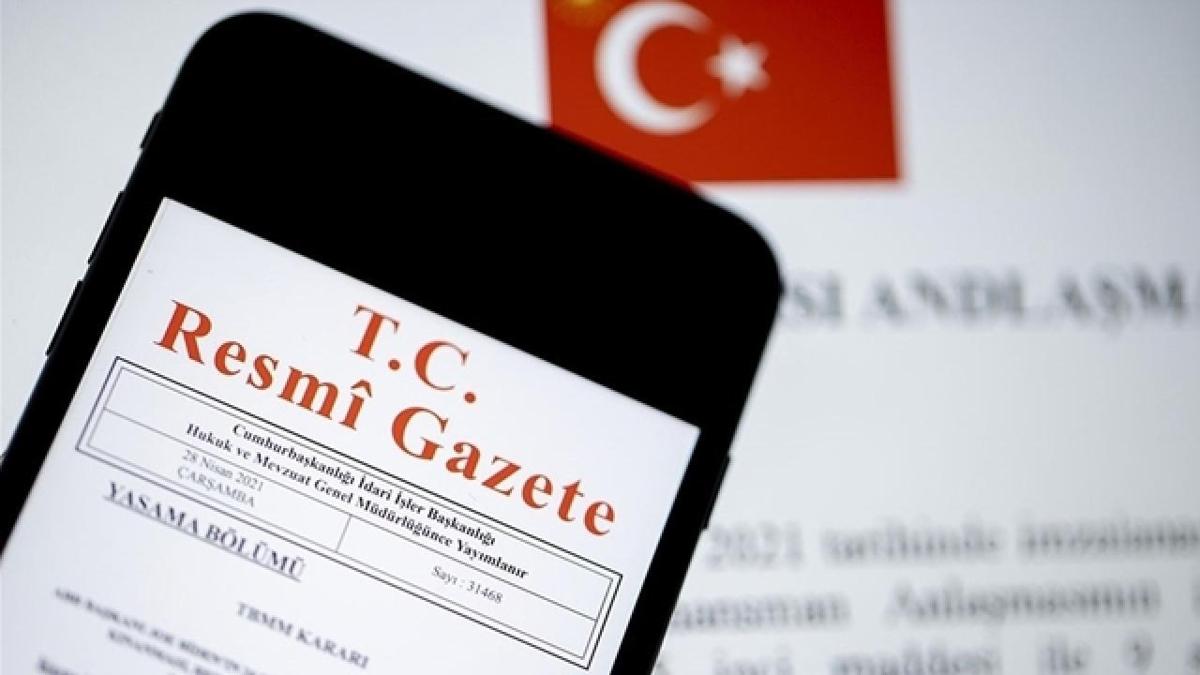
For the average retail investor in Turkey, the collapse of an investment fund is rarely a clean event. It is a confusing mix of frozen accounts, blocked trades, and silence from the platforms where they bought in. For years, when a fund was ordered to shut down, the process for getting money back was murky, often leaving small shareholders waiting indefinitely while legal experts debated who owed what. That ambiguity ended on October 26, 2026, when the Turkish parliament’s decision to pass a new fund law was published in the Official Gazette, bringing the rules into immediate effect.

The publication of this law in the Official Gazette marks the formal start of a structured liquidation regime for specific investment funds. This is not a sweeping overhaul that creates a continuous or general responsibility regime for all funds operating in Turkey. Instead, it is a targeted intervention. The law applies specifically to funds where a decision for liquidation has already been made. The primary goal, as stated in the regulatory text, is to ensure that these processes are fair, transparent, and efficient. By codifying the principles for recovering values that were taken from fund assets in violation of the law, the regulation attempts to stop the bleeding for investors who were left holding illiquid shares while assets were allegedly drained unlawfully.
The execution of these liquidations will not be left to chance or to the failing fund managers themselves. The Capital Markets Board, known as SPK, is the central authority tasked with overseeing and monitoring these processes. The board will be the one determining the stages of the liquidation, including how fund assets are identified, valued, and converted into cash. This centralization is designed to protect the interests of the market and the fund’s portfolio structures. The SPK’s power extends to influencing how the market perceives the assets during this sale. If the board determines that the market price of a specific asset does not reflect its true value and that delaying the process would hurt economic value, it has the authority to approve the sale of those assets on the stock exchange. This provision is critical because it prevents a chaotic fire sale where prices are depressed, potentially destroying the very value the investors are waiting to recover.
For investors whose net investment is less than one million lira, the interim payment can be up to that amount.

Turkey has now written into law how much of a saver's money the state will rescue from the fund scandal, and the answer is up to 1 million lira, indexed to inflation, and not a lira more. Parliament passed it this week. It covers the funds the market regulator ordered wound up on 17 September, with losses charged first to the fund managers and then to people the regulator names personally, while the arrests have reached 114, including a former head of the state insurer, and the Istanbul market has lost about a third since September. Even Norway's wealth fund, holding about $2.2bn of Turkish shares, now calls itself a VICTIM.
A significant portion of this new legal framework is dedicated to the recovery of values extracted illegally. The regulation explicitly mentions the collection of losses and damages from responsible parties. This shifts the focus from merely winding up the fund’s books to actively pursuing those who may have stolen assets. The liquidation committees, appointed by the SPK, will operate with this dual mandate: they are not just clearing out assets, but they are also tasked with recovering values taken from the fund in violation of the law. This creates a pathway for the distribution of recovered values to fund shareholders, ensuring that the money is not just lost but chased down and redistributed.
For the individual investor, the most immediate tangible benefit of this law is the provision for interim payments. The regulations specify that partial payments can be made to investors to provide some liquidity while the full liquidation process plays out. The limit for these interim payments is set at one million Turkish lira. The rule is nuanced based on the investor’s net investment amount. For investors whose net investment is less than one million lira, the interim payment can be up to that amount. For investors with a net investment of one million lira or more, the maximum interim payment is capped at one million lira. This structure protects smaller retail investors, who make up the bulk of the fund’s clientele, by ensuring they are not left entirely without cash flow during the multi-step legal process. The timing of these payments is contingent on the progress of the fund’s liquidation and decisions made by the SPK, meaning the money does not arrive on a fixed calendar but rather as assets are successfully valued and cleared.
One of the most practical implications of this law is its handling of blocked transactions on the Turkey Electronic Fund Purchase and Sale Platform, or TEFAS. Before September 17, 2026, certain transactions on this platform were blocked, leaving investors unable to buy or sell their shares. These blocked transactions are now explicitly included in the scope of the liquidation process. This inclusion ensures that the legal framework accounts for the assets and claims that were stuck in limbo on the digital platform, preventing a separate, unregulated queue of claims from emerging. By folding these specific pre-September events into the new legal regime, the regulation closes a loop that had been causing significant confusion for users of the platform.
The process will be carried out by specific entities appointed for this purpose, operating under the umbrella of the SPK’s oversight. The liquidation committees will be the on-the-ground operators. They will handle the specific mechanics of determining the shareholdings of the fund’s investors, establishing the order of distribution, and managing the other procedural details of the liquidation. The regulation includes definitions and abbreviations for these roles, creating a clear linguistic framework for the legal and financial professionals involved. This standardization is intended to reduce ambiguity in how different funds are handled, ensuring that the process is consistent across the cases it covers.

While interim payments provide a lifeline, the ultimate goal remains the final distribution of all recovered and liquidated values. The regulation aims to achieve the highest possible economic value for the fund’s portfolio. This is not just about getting money out; it is about getting the right amount of money out. The SPK’s authority to intervene in asset pricing is a key tool in this effort. By potentially forcing sales through the stock exchange when market conditions are distorted, the board aims to prevent undervaluation that would shortchange shareholders. The entire system is built on the premise that transparency in valuation and recovery leads to fairness in distribution.
As of late October 2026, the law is in force. The SPK is now in the position of applying these rules to the funds designated for liquidation. For investors, the era of guessing when they will get paid is coming to an end. The legal floor has been set: assets will be valued with the potential for regulatory intervention, illegal withdrawals will be pursued for recovery, and interim payments of up to one million lira will be available to keep retail investors afloat. The process is strictly bounded; it does not apply to healthy funds, only to those already under a liquidation order. The focus now shifts to execution, as the committees begin the heavy lifting of asset identification and recovery under the watchful eye of the Capital Markets Board.