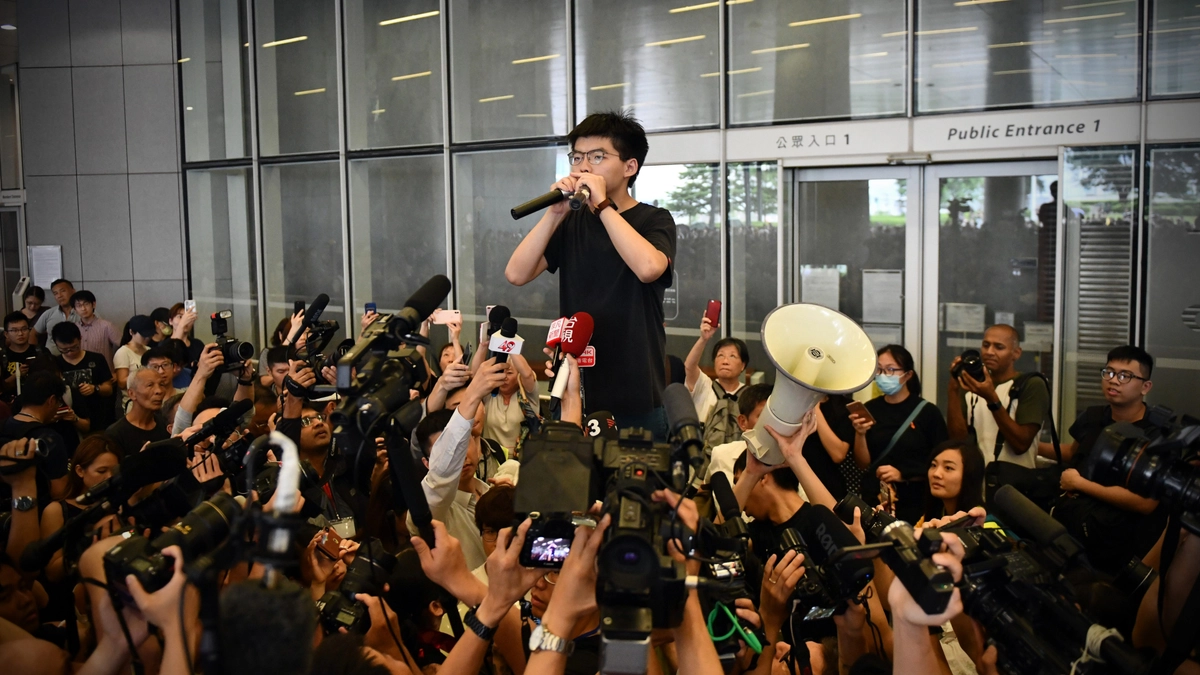
The courtroom in Hong Kong was thick with emotion on the morning of November 5, 2026. Supporters of Joshua Wong, many of them young and some wiping tears from their eyes, had packed the gallery to hear the fate of a man who had become a symbol of the city's pro-democracy movement. Wong, now 29 years old, had spent much of his adult life in prison. He was expected to walk free in early 2027, with just a few months remaining on an earlier sentence for his role in the 2019 protests. Instead, Judge William Tam delivered a verdict that would push his release date back by nearly a decade, to 2036.
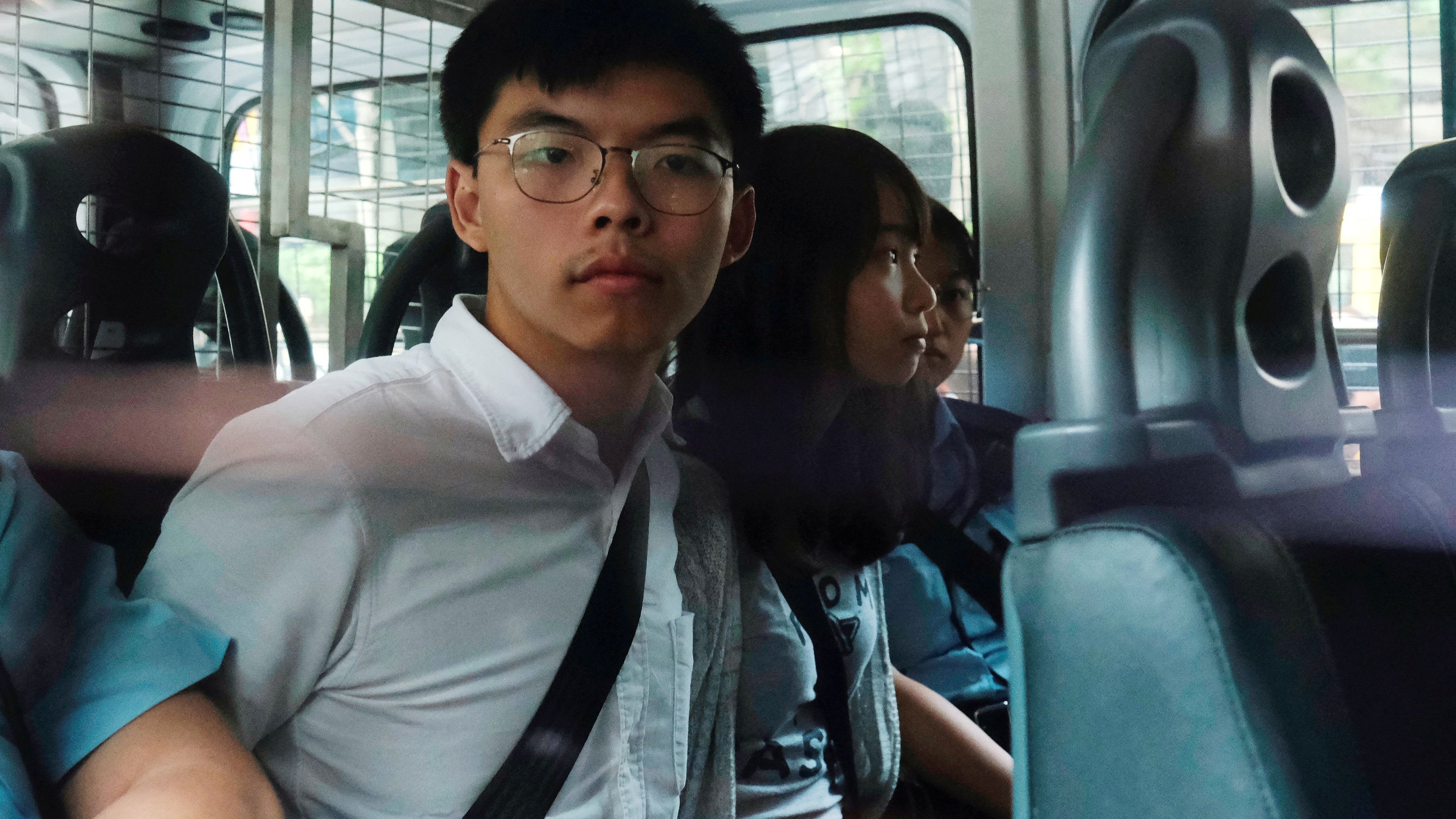
Wong had pleaded guilty in September to a charge of conspiracy to collude with foreign forces to endanger national security—a crime under the National Security Law that Beijing imposed on Hong Kong in 2020. The charge stemmed from his actions in that same year, when prosecutors said Wong and fellow activist Nathan Law systematically called on the international community to impose sanctions and other pressure measures against China and Hong Kong. The prosecution pointed to Wong's past meetings with American politicians Nancy Pelosi and Marco Rubio, alleging that he and Law had lobbied for punitive measures against their own city.
Judge Tam did not hide the gravity of his decision. He described Wong as the mastermind of the conspiracy, a characterization that framed the entire proceeding. The judge noted that he had considered a 13-year prison sentence as a starting point, but reduced it to 10 years because of Wong's guilty plea. "The punishment must fit the gravity of the crime committed," Tam said, adding that it was "necessary for this court to express the community's abhorrence of the defendant's scheme and acts together with others to collude with foreign forces…and to serve the imperative of general deterrence."
His previous sentence, 4 years and 8 months, was for his role in the 2019 protests, a period of civil unrest that led to the imposition of the National Security Law.
The phrase "general deterrence" is key to understanding what happened here. In legal terms, it means the sentence is designed not just to punish Wong, but to send a message to anyone else who might consider similar actions. For a judge in Hong Kong applying the National Security Law, that message was unmistakable: the cost of seeking foreign support for political change would be measured in decades, not years.
The court's stance was clear, and the implications reached far beyond one man. Wong, who rose to prominence as a teenager leading protests for democratic reform, had long insisted that his political activities were not driven by hatred and that he never advocated for Hong Kong independence. In a statement from prison, he maintained that position, even as the court cast him as a dangerous conspirator.
Outside the courthouse, the reaction was visceral. Human Rights Watch's Elaine Pearson condemned the sentence as "cruel and unjust," saying that "young people who advocate for social change are an asset to any dynamic society, yet Hong Kong authorities are throwing them behind bars." The organization had criticized the verdict as harsh, and its language reflected a broader international concern about the use of the National Security Law to suppress dissent.
For those who have known Wong since his early days as an activist, the sentence was a bitter blow. ET Wong, a fellow activist and supporter, spoke emotionally about the man he had watched grow up in the movement. "Even as a teenager, he had a vision on a scale that many adults lack," ET Wong said. "He chose a very difficult path for the sake of human rights. In my heart, he should not have spent a single day in prison."

The additional 10-year sentence means Wong's total time behind bars could stretch to roughly 40 years, a staggering figure for a man who was first arrested as a student. His previous sentence, 4 years and 8 months, was for his role in the 2019 protests, a period of civil unrest that led to the imposition of the National Security Law. That law gave Hong Kong authorities sweeping powers to prosecute anyone deemed to be colluding with foreign forces, a charge that critics say is vague enough to be used against almost any political opponent.
Wong's case is not an isolated one. He is part of a broader wave of prosecutions under the National Security Law, which has effectively dismantled the city's pro-democracy movement. But his sentence stands out for its length and for the symbolism of his name. To his supporters, Wong is a martyr for freedom; to the authorities, he is a cautionary tale. Judge Tam's emphasis on deterrence suggests that the court's priority is not rehabilitation, but the prevention of future dissent.
The chronology of the case is telling. Wong was accused in June 2025 of requesting sanctions from foreign entities, a charge that was later refined to conspiracy. By the time of his sentencing in November 2026, he had already been in custody for years, and the legal process had moved slowly through a system that many international observers say lacks independence from Beijing. The court's decision to add 10 years to his existing sentence, with a new release date of 2036, effectively ensures that Wong will spend the prime of his life behind bars.
As the courtroom emptied, the emotion of the moment lingered. Wong's supporters gathered outside, some weeping, others holding signs. The sentence had been delivered, but the story was far from over. For Hong Kong, the case raises uncomfortable questions about the limits of political freedom under the National Security Law. For Wong, it means a future that was once close—release in early 2027—has been replaced by a