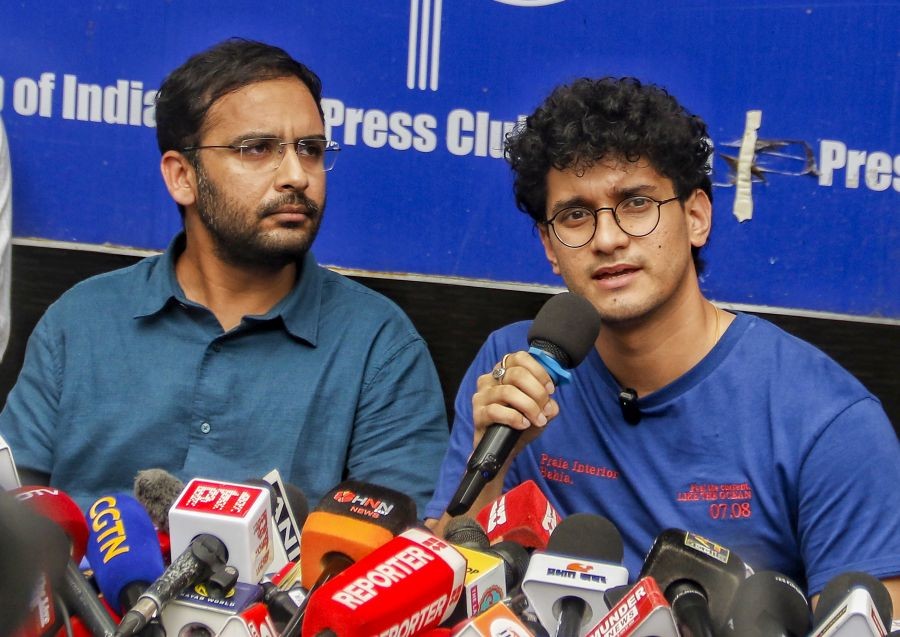
In the heart of New Delhi, the geography of dissent is shifting. Jantar Mantar, a site long synonymous with the pulse of Indian protest, was recently denotified as a designated protest area. It is a change that has turned a historic landmark into a legal minefield. On October 19, 2026, this tension reached a breaking point when Saurav Das and Ashutosh Ranka, leaders of the Cockroach Janta Party (CJP), were arrested for entering the site. The party maintains that their presence was not an act of chaos, but a symbolic gesture to unfurl the national flag and raise slogans.
While the arrest at Jantar Mantar set the stage, the accusations surrounding the duo involve even more sensitive territory. The CJP has faced allegations that the leaders entered the parliament premises without permission, with the purported intention of disrupting official proceedings. Security guards at the parliament gates moved to block their entry, leading to an intervention by the Delhi Police. This confrontation serves as the backdrop for a larger political struggle, as the CJP continues to protest what they describe as irregularities in the SIR of electoral rolls, a movement that has also seen them demanding the resignation of the Chief Election Commissioner.

#Breaking Delhi Special Executive Magistrate (SEM) court extends CJP leaders Saurav Das and Ashutosh Ranka’s judicial custody by 2 days. Das and Ranka have been in jail since October 14. @SauravDassss @AshutoshRanka @Cockroachisback @CJP_for_India https://t.co/e2iY9GnYVt
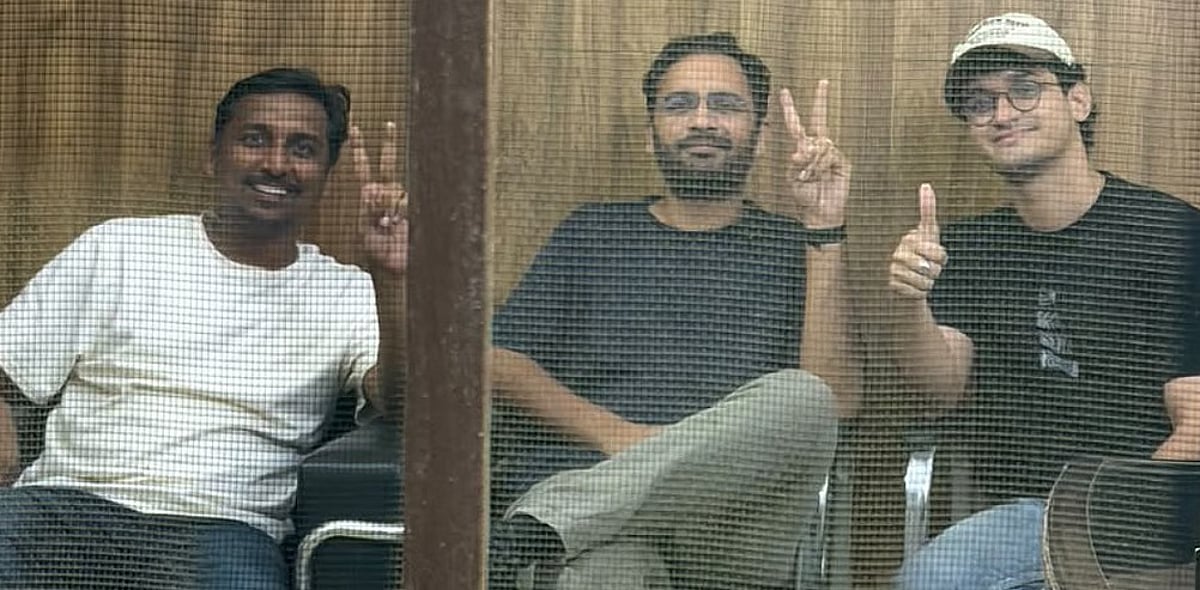
What began as a brief detention has evolved into a protracted legal ordeal. Following their arrest, the two leaders were presented before a Special Executive Magistrate at the Mandir Marg police station. While they were initially sent to judicial custody for a period of five days, the legal clock has continued to tick. On October 19, 2026, a Special Executive Magistrate granted a request from the Delhi Police to extend the remand. This extension, spanning two additional days, moves their total remand period to seven days. For the leaders, the immediate consequence of this judicial decision was a transfer to Tihar Jail.
As the proceedings moved through the magistrate's court, the atmosphere grew increasingly fraught.
As the proceedings moved through the magistrate's court, the atmosphere grew increasingly fraught. The CJP’s legal head, Ratna Singh, observed a process that she characterized as fundamentally broken. Singh noted that the proceedings were marked by provocative statements rather than substantive legal discourse. She described a scene of professional irregularity, noting that even the Sub-Divisional Magistrate (SDM) appeared distracted, waiting for three hours and remaining on a phone call throughout the duration of the hearing.

We want to see outside from jail to Saurav Das and Ashutosh Ranka.
The CJP has not merely questioned the legality of the arrest, but the very integrity of the judicial process itself. The party’s leadership suggests that the extension of custody is not a matter of legal necessity, but a tactical maneuver. They allege that authorities are deliberately utilizing delays to prevent the release of Das and Ranka. This sentiment reflects a growing distrust in the SDM courts, with Singh suggesting that such institutions are compromised and should be abolished entirely.
The detention of Das and Ranka is not an isolated incident in a season of heightened scrutiny. Earlier in the month, on October 13, the scale of police intervention was evidenced by the detention of 14 people. As the leaders remain behind bars in Tihar, the debate over the boundaries of protest and the fairness of the magistrate's oversight continues to intensify. For now, the legal battle remains centered on whether the extension of custody is a standard procedural step or, as the CJP claims, a tool used to stifle political expression.

CJP's Abhijeet Dipke targets PM Modi over extended custody of Saurav Das, Ashutosh Ranka https://t.co/YDf0UiLfR4