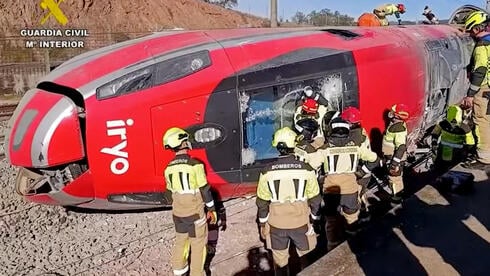
The morning of October 28, 2026, the quiet city of Toledo was shattered by a collision that would reverberate across Spain. Two high-speed trains – a Renfe service bound for Madrid and an Iryo train heading toward Seville – slammed into each other on the same track.
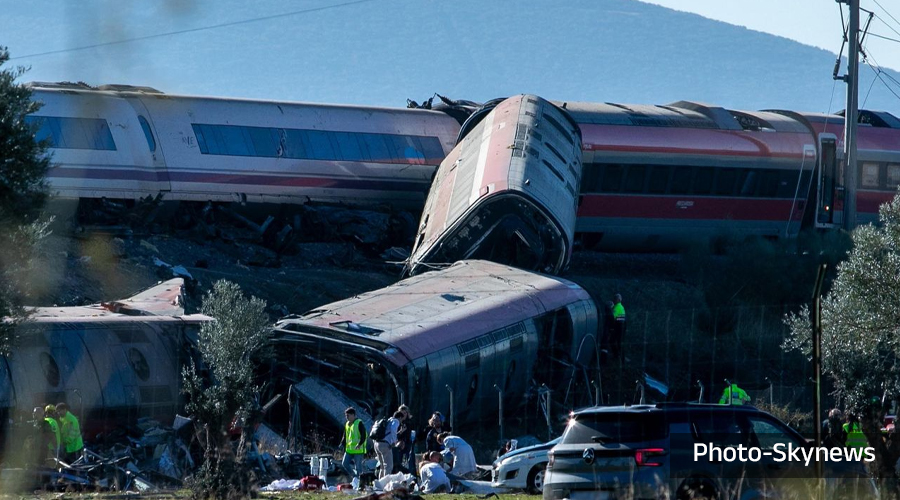
Spain’s high-speed network, inaugurated in the late 1990s, has long been a symbol of progress. Yet the country has not been immune to rail tragedies. In October 2026, a crash on the Madrid-Seville line resulted in at least ten deaths, echoing a fatal incident in Adamuz that had occurred the previous January.
At least 30 people were killed Wednesday when a high-speed train slammed into the back of another train that had stopped in central Spain, derailing two cars, authorities said. The collision occurred in the province of Toledo between two trains traveling in the same direction from Madrid to Seville. More than 500 passengers were aboard the two trains, with emergency crews responding to the scene as authorities worked to assist the injured. The cause of the collision remains under investigation.
Initial reports from the scene listed 39 fatalities, but the figure has since climbed. El Espanol reported 46 deaths, a number that underscores how quickly the numbers can rise as rescue teams work through the wreckage. The families of the victims are still in shock, and the city’s hospitals are struggling to cope with the influx of injured.
The incident also prompted a review of safety protocols in the affected region.
Emergency services rushed to the site, but the scale of the disaster overwhelmed local resources. Rail services on the line were suspended in an effort to secure the area and conduct a thorough investigation. The incident also prompted a review of safety protocols in the affected region.

🚨 TRAGIC: DEADLY TRAIN COLLISION IN SPAIN At least 50 people are reported dead and 179 injured after an Iryo train and a Renfe high-speed train collided near Toledo, Spain. The death toll is feared to rise as rescue operations continue. The Madrid–Andalusia high-speed rail corridor has been suspended as authorities investigate the cause of the disaster. Disturbingly, a similar crash involving the same two operators reportedly occurred on the same high-speed line just nine months ago, claiming 46 lives.
Investigators say the Renfe train continued to travel even after a red signal was displayed. The reasons behind this breach of protocol remain unclear, and the investigation is still underway. Officials have warned that the death toll could rise as more bodies are recovered.
Spanish Prime Minister Pedro Sánchez expressed his sorrow: “I am deeply saddened by this serious rail accident in Toledo.” The statement was followed by a flurry of condolences from public figures and institutions. FC Barcelona, one of Spain’s most beloved football clubs, issued a statement offering support to the families and friends of the victims and wishing a quick recovery to those injured.
The Toledo collision is the latest in a series of high-speed rail accidents that have rattled Spain’s confidence in its transportation infrastructure. While the investigation is ongoing, the nation is left to grapple with the question of how to prevent such tragedies from happening again.
