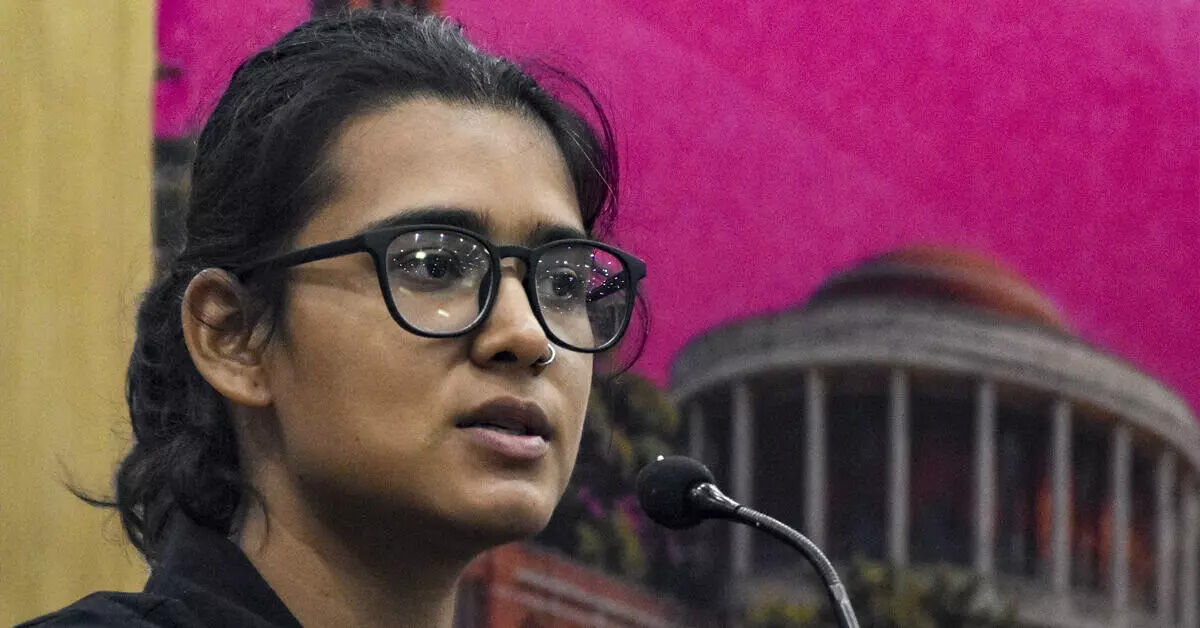
In New Delhi, a press conference became a focal point for a direct confrontation between a civil rights group and the central government. Neha Bora, the chief of AISA, stood before the media with a sharp accusation against the Modi government, framing the nation's democratic processes as under threat from administrative overreach. The atmosphere was charged with the weight of a challenge that went beyond standard political rhetoric; it was an assertion of constitutional rights against what she described as systematic exclusion.

At the heart of this confrontation lay the Special Intensive Revision exercise. Bora accused the administration of using this mechanism to curb democratic dissent by removing 13 crore citizens from voter lists. This figure represents a staggering portion of the electorate, suggesting a campaign not merely to clean records but to alter the very composition of who has the right to vote. For a democracy to function, the integrity of the electoral roll is paramount, yet Bora argued that these removals were driven by intent rather than verification. She demanded a halt to the SIR exercise and the resignation of the Chief Election Commissioner, signaling that the process itself had become the problem.
The tension escalated further when Bora addressed the issue of peaceful protest. She refused to sign the 'peace bond' issued by authorities, a document typically used to restrict demonstrations. Her stance was unequivocal: signing such a requirement would legitimize the use of financial penalties to silence dissent. "We will continue to challenge it because signing this peace bond would send a message that such bonds can be used in this country to stop any democratic and peaceful protest," she stated. This refusal transformed the legal instrument into a symbol of resistance, positioning the bond not as a safeguard for order, but as a tool for suppression.
This refusal transformed the legal instrument into a symbol of resistance, positioning the bond not as a safeguard for order, but as a tool for suppression.
Legal challenges followed quickly to reinforce her position. AISA's national president challenged the Delhi Police notice regarding the Peace Bond directly in the Delhi High Court. The court did not side with the police. In its decision, the court dismissed the notice, stating that it violates the primary rights of protesters. This ruling provided a judicial shield to those facing similar restrictions, validating the argument that the state cannot legally compel individuals to waive their right to assemble peacefully. It underscored a growing friction where administrative demands are being tested against established legal protections.
As the situation unfolded, the broader implications became clear. The combination of voter roll manipulation and the restriction of protest rights created a narrative of a tightening grip on civil liberties. By linking the removal of 13 crore voters with the refusal to sign the peace bond, Bora painted a picture of a coordinated effort to neutralize opposition. The demand for the resignation of the Chief Election Commissioner added another layer to this pressure, suggesting that the entire machinery of election administration required scrutiny. This was not just about one policy or one law; it was about the fundamental trust between the citizenry and the institutions meant to represent them.
The standoff highlighted a critical juncture in the relationship between the government and the opposition groups, setting the stage for ongoing negotiations and potential shifts in policy direction.