
The collision that shattered central Spain on October 25th remains one of the deadliest rail disasters in Europe since the beginning of the century. On that date, a high-speed train came to a violent halt, leaving behind a trail of destruction and uncertainty that would stretch through the following week. By October 31st, the grim tally had solidified: sixty-nine deaths confirmed, with two hundred injuries reported alongside the loss of life.
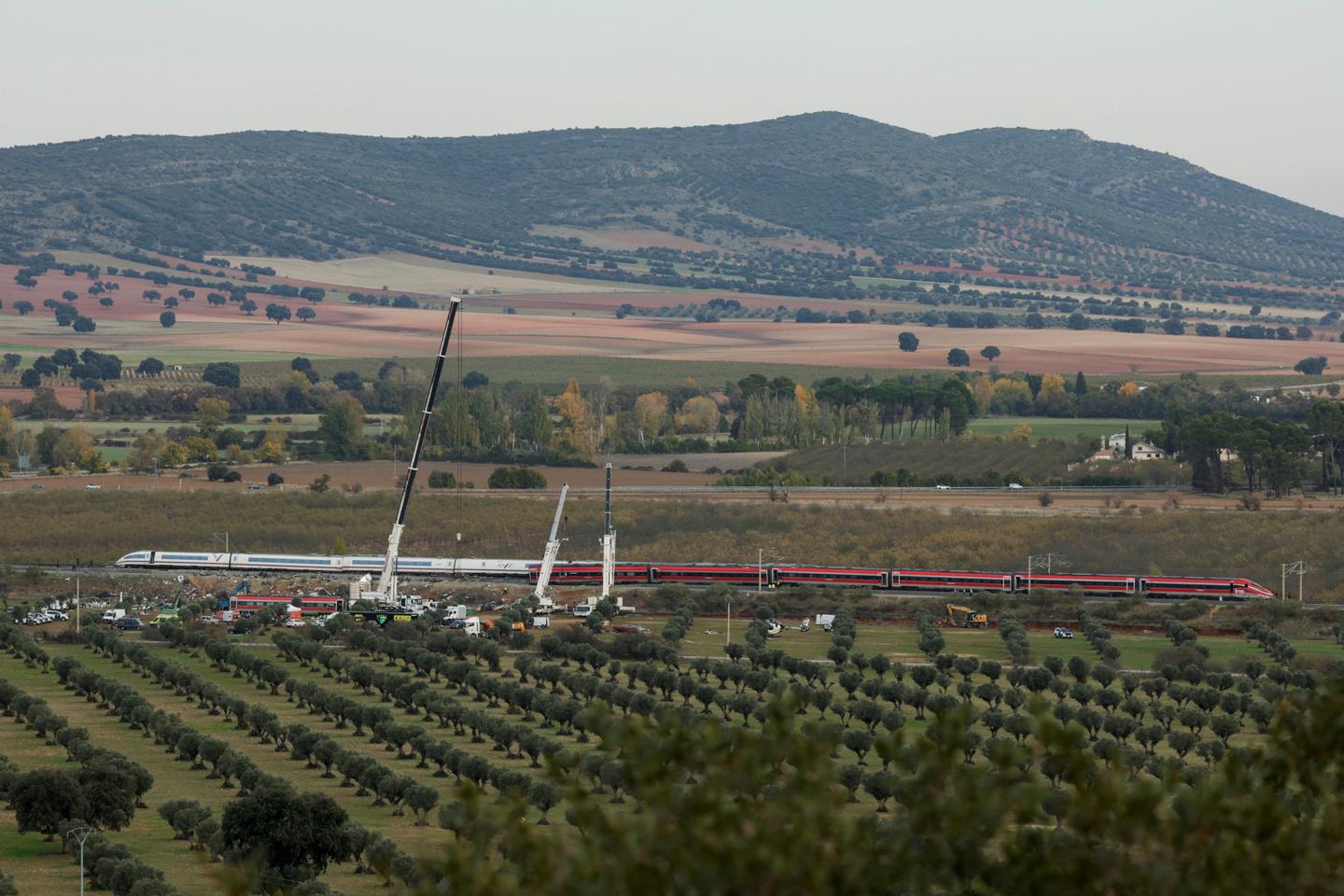
The initial impact occurred on October 25th, marking the start of a tragedy that would ripple across borders. While the specific location within central Spain was not detailed in the reports, the event itself triggered immediate international concern. Local communities began mourning the loss of lives immediately following the crash, a reaction that underscored the human cost beyond mere statistics. Spanish authorities maintained a neutral stance during the early hours, focusing on stabilization while investigations into the cause were launched under the umbrella of ongoing inquiries.
As the dust settled, the search for survivors became the primary focus for rescue teams. Among the victims was a French citizen named Marie Audan, a fifty-year-old woman whose status remained unknown at various points during the inquiry. She is listed among the missing individuals, contributing to a broader list of sixty-seven reports of missing people connected to the incident. This number includes fourteen foreigners, highlighting the cross-border nature of the disaster's impact. For families waiting at home, the lack of closure is compounded by the fact that Marie Audan has not been found despite the mobilization of services dedicated to her identification and assistance.
Beyond the immediate numbers, the scale of the accident invites reflection on safety standards.
In response to the unfolding crisis, the French government expressed deep condolences and concern for the affected parties. This sentiment was echoed on October 31st when officials confirmed that a French citizen died in the TGV collision. The French Ministry of Foreign Affairs played a crucial role in coordinating the response, stating that services are mobilized for identification and assistance. Their neutrality in the face of such a catastrophic event allowed them to channel resources toward humanitarian aid rather than political maneuvering. However, the tone also shifted to express solidarity with the Spanish authorities and affected families, signaling a unified front against the tragedy.
Beyond the immediate numbers, the scale of the accident invites reflection on safety standards. With sixty-nine deaths confirmed, the event stands out starkly against the backdrop of European transport history. The French government reiterated its position, expressing very strong emotion regarding the loss. This emotional weight is reflected in the official communications, which balance the technical investigation with a profound acknowledgment of the suffering endured by those left behind. The investigation into the cause of the accident remains open, ensuring that accountability is sought without rushing to conclusions.
Local communities in central Spain have been deeply affected, with mourning ceremonies serving as a focal point for grief. The presence of foreign nationals among the dead, including Marie Audan, has added another layer of complexity to the local response. Neighbors and residents have come together to support one another, reflecting a critical need for community resilience in the wake of such an event. Spanish authorities continued to maintain a neutral posture throughout this period, allowing the natural flow of grief to take precedence over administrative protocols.
As the narrative moves forward, the focus remains on identifying the remaining missing individuals from the sixty-seven reports. The timeline of events, stretching from the initial crash on October 25th to the final confirmation of deaths on October 31st, highlights the prolonged nature of the recovery process. Families await answers regarding the cause of the accident, while the French government continues to offer support to its citizens involved in the disaster. The memory of the victims will be preserved through these official acknowledgments, ensuring that the event is not forgotten as it becomes part of the historical record of European railway safety.

The collision serves as a stark reminder of the fragility inherent in modern infrastructure. While the immediate details of the crash remain under investigation, the human stories emerging from the wreckage provide clarity on the gravity of the situation. From the missing Marie Audan to the confirmed deaths, the path forward involves careful navigation of both legal and emotional landscapes. As the investigation proceeds, the hope lies in uncovering the truth behind the crash on October 25th, ensuring that future travelers can move with confidence along the tracks that once carried them safely.