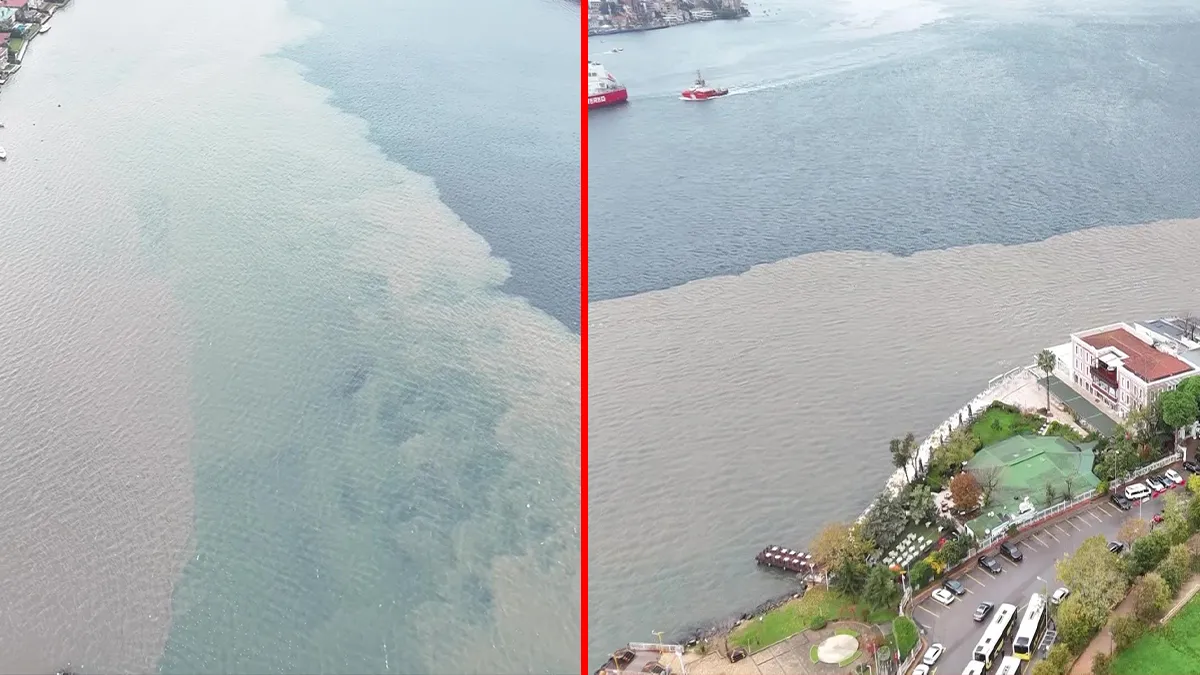
For those living along the shores of Istanbul, the atmosphere on October 27, 2026, carried a weight that was both literal and metaphorical. Before the first droplets even hit the pavement, the General Directorate of Meteorology had issued warnings, signaling that the city was in for a significant weather event. In a metropolis as vast and complex as Istanbul, such warnings are a familiar rhythm, yet they often precede moments that force a sudden, visceral confrontation with the natural world.

As the night progressed, the warnings transitioned from forecasts into a reality of heavy, unrelenting rainfall. The rain did not merely fall; it descended with an intensity that began to reshape the landscape of the city. In the urban sprawl, water is rarely just a substance that falls from the sky; it is a force of movement, a driver of change that seeks the lowest point, carving paths through the streets and the soil alike.
By the time the storm had fully asserted itself, the visual identity of the Bosphorus—the narrow, vital strait that separates Europe from Asia—had undergone a startling transformation. Witnesses and observers were met with a sight that seemed to defy the natural order of the sea. The water, typically characterized by its deep, consistent hues, appeared to have been cleaved in two.
The intensity of the rainfall acted as a catalyst, mobilizing the very earth itself.
This was not a trick of the light or a subtle shift in tide. Aerial imagery captured a definitive, two-toned split in the water. One side of the strait maintained its expected appearance, while the other was overtaken by a thick, opaque wash of color. The Bosphorus had become a canvas of contrast, a visual manifestation of the storm's impact on the land.
To understand why the sea suddenly changed its character, one must look to the land surrounding the water. The intensity of the rainfall acted as a catalyst, mobilizing the very earth itself. As the rain saturated the ground, it gathered strength, turning small channels and streams into conduits for debris.
This process turned the rain into a transport mechanism. The heavy downpour caused mud to wash into the Bosphorus through various streams, carrying the sediment of the city directly into the heart of the strait. What observers saw from above was the meeting point of two different worlds: the clean, salt-heavy waters of the Bosphorus and the silt-laden, muddy runoff driven by the storm. The two-toned effect was the literal boundary where the terrestrial runoff met the maritime expanse.
The phenomenon served as a striking visual record of the storm's intensity. While meteorological warnings provide the data of an approaching event, the muddy discoloration of the Bosphorus provided the evidence. The split in the water was a clear, undeniable indicator of how much material the rain had moved from the city's surface into its most iconic waterway.
As the waters continue to move, the immediate visual shock of the split serves as a reminder of the delicate balance between a city's infrastructure and the weather patterns that govern it. For a moment, the Bosphorus was no longer just a passage for ships or a scenic backdrop; it was a living map of the rainfall's journey from the clouds to the sea.