
On the evening of October 25, 2026, the city of Barcelona was ablaze with tension. Protests had erupted, and the streets were filled with looting and burning of containers. The scene was chaotic, with a palpable sense of unrest.
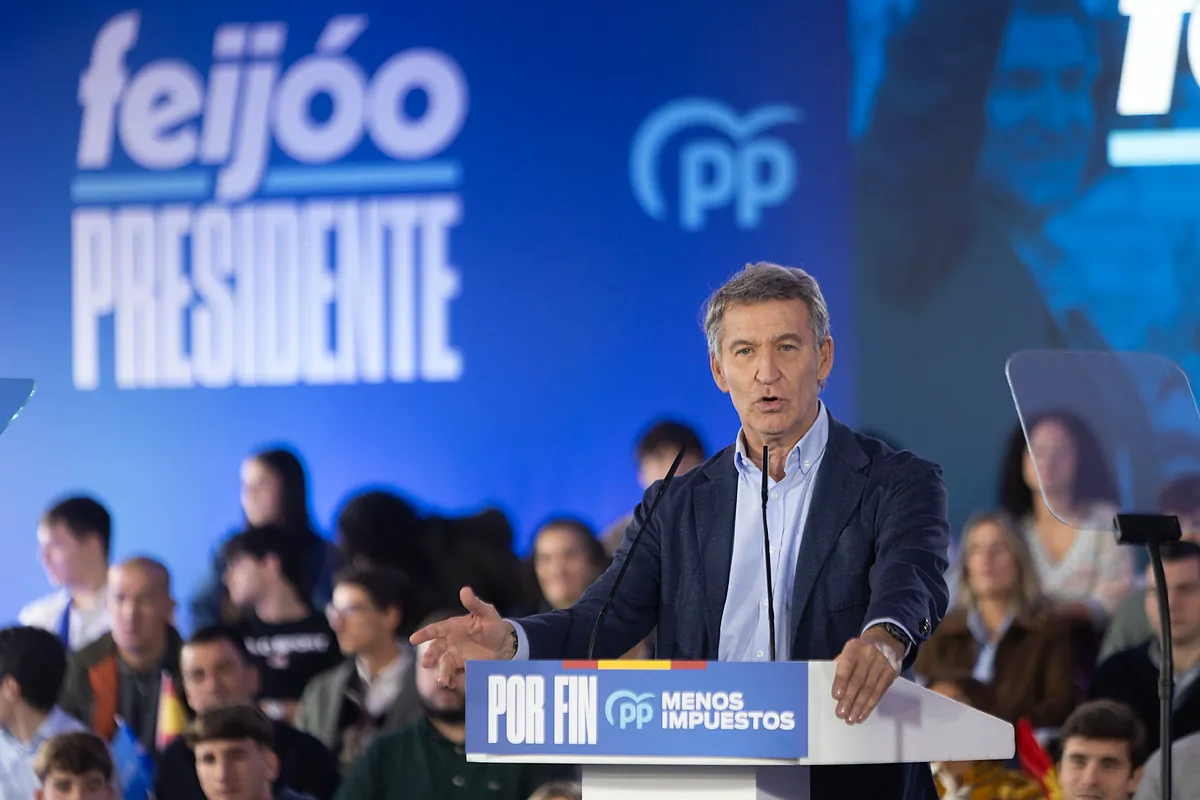
Feijóo was targeting Pedro Sánchez, the leader of the Socialist Party (PSOE), and his government. Feijóo's words were a stark contrast to the calm and controlled atmosphere in Ceuta, a city on Spain's southern coast, where the situation was described as 'civility' compared to the 'barbarity' of Barcelona.
His accusation was direct and unambiguous: 'Se están resistiendo a abandonar el poder con violencia.' Feijóo emphasized the need to demonstrate peace on November 29th.
While the focus was on Barcelona, the city of La Coruña was also experiencing its own set of disturbances.
By the end of the day, the numbers were stark: 128 arrests had been made in connection with the disturbances. The scale of the unrest was clear, but the political implications were even more significant. Feijóo's accusations were part of a broader strategy to undermine the government and capitalize on the public's growing dissatisfaction.
The upcoming general elections were just around the corner, and Feijóo was positioning himself as the candidate for the PP. His accusations against Sánchez were not just about the recent disturbances; they were part of a larger narrative of failure and incompetence. Feijóo highlighted the government's inability to address major issues, particularly the cost of living and housing. The PP's message was clear: the government was failing, and it was time for change.
While the focus was on Barcelona, the city of La Coruña was also experiencing its own set of disturbances. The situation in La Coruña was similar to that in Barcelona, with protests and unrest. The government's response was swift, but the underlying tensions remained. The contrast between the violence in Barcelona and the 'civility' in Ceuta was a recurring theme in Feijóo's rhetoric, emphasizing the government's failure to maintain order.
The political landscape in Spain was more tense than ever. The general elections were just around the corner, and the stakes were high. Feijóo's accusations were part of a broader strategy to challenge the government and capitalize on the public's growing discontent. The disturbances in Barcelona and La Coruña were just the beginning of a larger political battle that was about to unfold. The coming weeks would be crucial, as the country prepared for a general election that could reshape the political landscape.

As the general elections approached, the political landscape in Spain was more tense than ever. Feijóo's accusations and the disturbances in Barcelona and La Coruña were just the beginning of a larger political battle. The coming weeks would be crucial, as the country prepared for a general election that could reshape the political landscape. The battle for power was on, and the stakes were high.