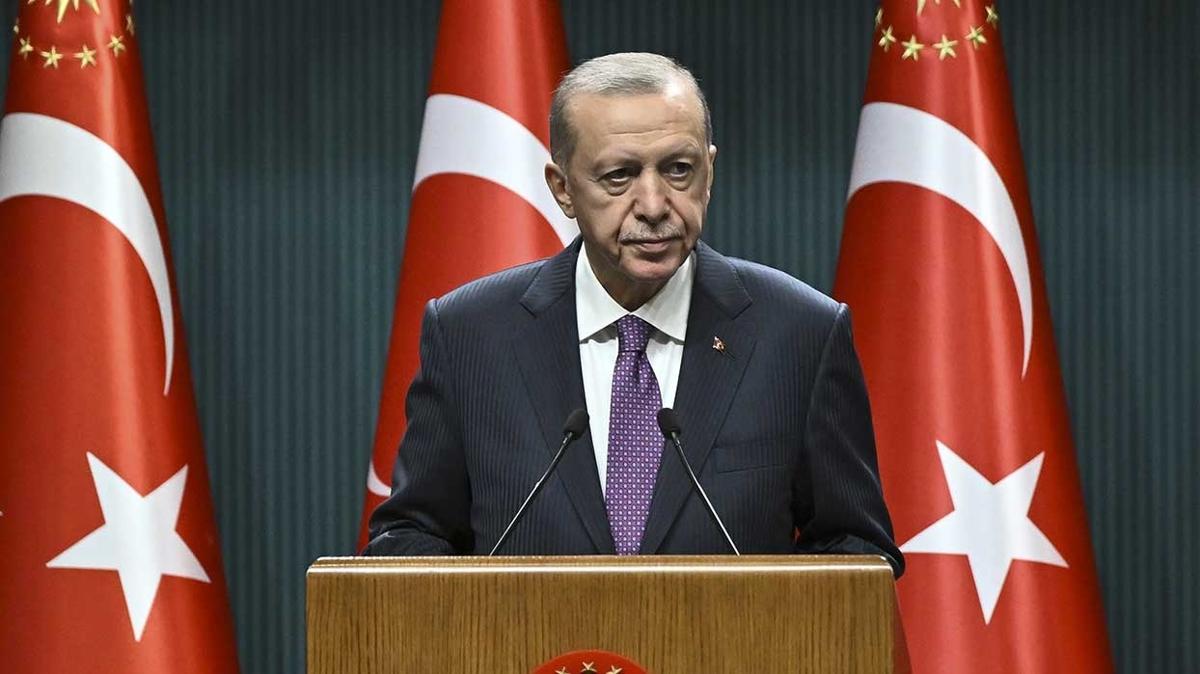
On October 24, 2026, the United Nations marked its 81st anniversary, a milestone that serves as both a celebration of international cooperation and a somber reflection on the organization's current limitations. For over eight decades, the UN has stood as the primary architect of international peace and security, tasked with the monumental duty of fostering global development and shared prosperity. On this occasion, Turkish President Recep Tayyip Erdogan extended his congratulations to the institution, speaking on behalf of his country and people with a message that balanced traditional diplomacy with an urgent demand for structural change.
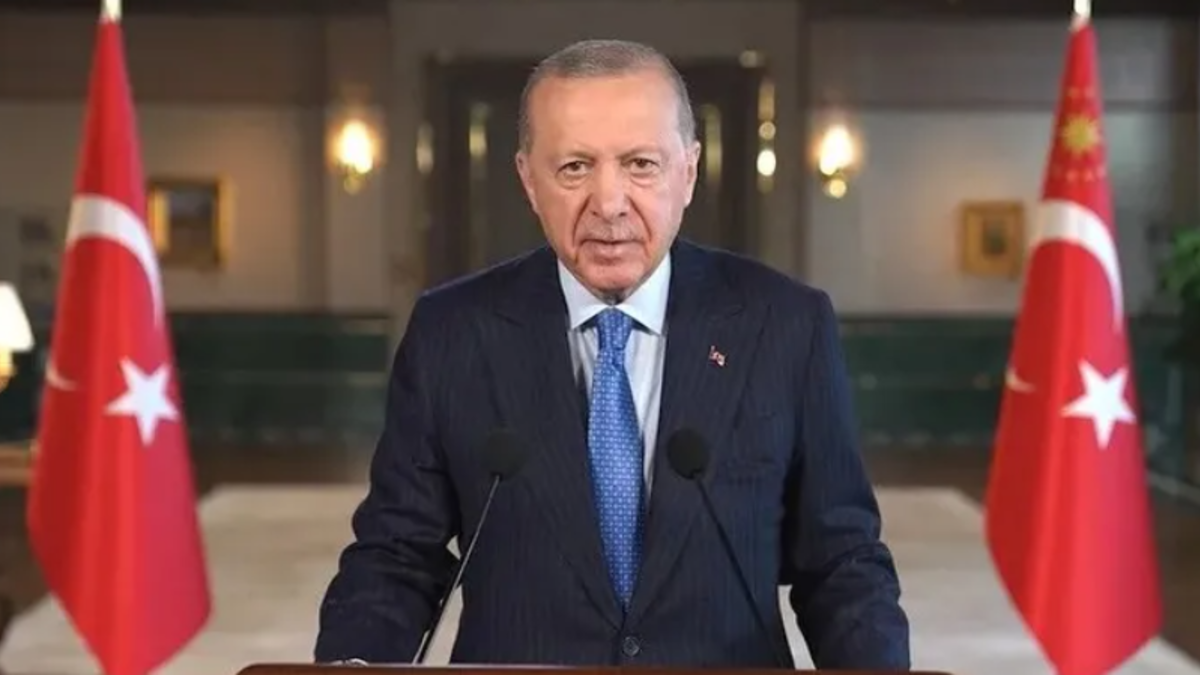
Despite the criticisms often leveled against the UN, President Erdogan underscored that the organization’s foundational mission has not diminished in relevance. In fact, he argued, the necessity of its existence has only grown in an era defined by volatile conflicts and humanitarian crises. From the perspective of the Turkish leadership, the UN remains the only viable platform for addressing the multifaceted challenges of the 21st century, including the persistent threats of poverty, terrorism, climate change, and the rising tide of Islamophobia. The anniversary serves as a reminder that while the world has changed, the core mandate of the UN to protect human dignity remains a universal imperative.
At the heart of Erdogan’s critique is a concern regarding the UN’s ability to act decisively. He emphasized that for the organization to fulfill its "sublime responsibilities," there must be a renewed commitment from all member states to the UN Charter. This is not merely a call for bureaucratic efficiency; it is a plea for the revitalization of the UN’s core organs. Erdogan posited that the effectiveness of the entire system depends on the willingness of nations to support comprehensive reforms, ensuring that the organization can translate its high-minded ideals into tangible outcomes for the world's people.
This is not merely a call for bureaucratic efficiency; it is a plea for the revitalization of the UN’s core organs.
Perhaps the most pointed element of the President’s message concerns the UN Security Council. As the primary organ responsible for maintaining international peace, the Council has long been a focal point for those who believe the current global power structure is outdated. Erdogan explicitly stated that the Security Council must be transformed into a more just and inclusive body. By failing to reflect the realities of the modern international community, the current structure risks becoming a relic that cannot meet the expectations of the nations it is meant to serve. This call for reform is framed as a matter of global necessity, essential for the Council to regain its legitimacy and functional capacity.
In his address, President Erdogan signaled Turkey’s active support for ongoing initiatives aimed at institutional change, specifically highlighting his backing of the UN80 Initiative. This support is rooted in a fundamental belief that a more equitable world is not just an idealistic dream, but a practical possibility if the international system is willing to adapt. By advocating for a more inclusive structure, Turkey is positioning itself as a proponent of a reformed multilateralism—one that prioritizes the collective interests of the global community over the entrenched interests of a few.
As the UN moves into its 82nd year, the discourse surrounding its future has become increasingly focused on the tension between its historical legacy and its future utility. President Erdogan’s message on this 81st anniversary serves as a clear marker of this tension. By linking the survival of the UN to the success of its reforms, he has framed the debate not as a rejection of the institution, but as a necessary evolution. The path forward, according to this view, requires a steadfast commitment to making the UN more effective, inclusive, and capable of addressing the crises that define our time.