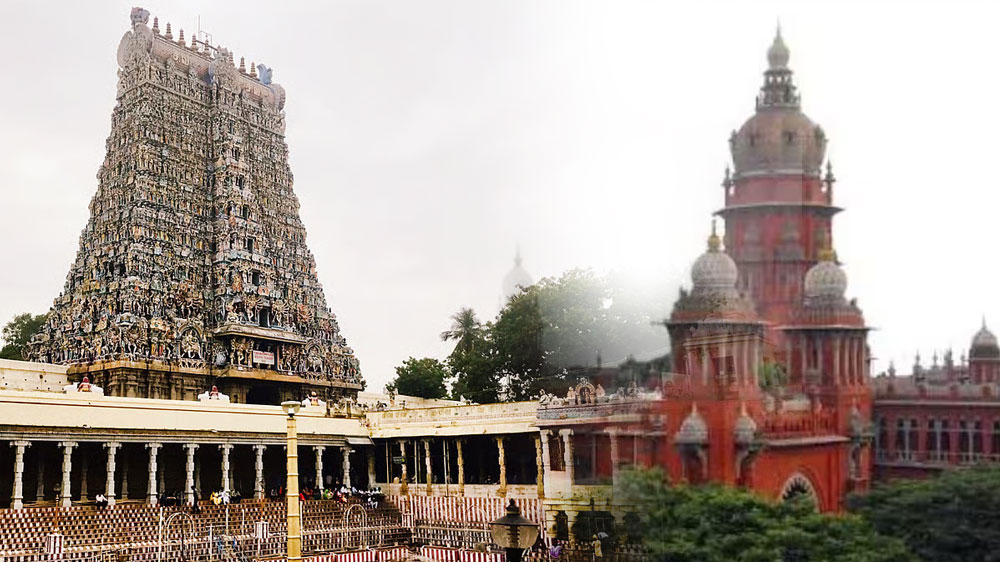
For centuries, the architecture of India’s Agamic temples—structures built according to the precise, ancient scriptural guidelines known as Agamas—has served as more than just a place of worship. They are centers of profound cultural and religious identity, governed by rigid rituals and traditions. On October 28, 2026, the Madras High Court stepped into the center of this long-standing tradition, issuing a ruling that seeks to balance the openness of public spaces with the sanctity of religious practice. The court decreed that non-Hindus seeking to enter these sacred spaces must now pledge their reverence for the deity and commit to following the traditional customs of the temple.

This judicial intervention is not merely a bureaucratic adjustment; it is an attempt to codify the expectations of conduct within spaces that many believe require a specific spiritual orientation. By mandating that visitors affirm their respect for the temple’s traditions, the court has effectively placed the burden of religious decorum on the individual, regardless of their personal faith. The ruling emphasizes that the sanctity of the temple must be preserved, and it has directed authorities to enforce these entry rules with newfound strictness.
In the wake of the ruling, the political landscape has become increasingly polarized. The decision has forced a collision between the inclusive, secular nature of public access and the specific, exclusionary requirements of religious practice. Chief Minister C. Joseph Vijay has expressed support for the court’s stance, viewing the move as a necessary step to maintain the order and reverence that these ancient sites demand. For the Chief Minister, the ruling is less about exclusion and more about the preservation of a cultural heritage that relies on specific behavioral norms to function.
The ruling does not demand a total conversion of faith, nor does it require visitors to renounce their own religious identity.
However, this perspective is far from universal. TVK MLA Badrudeen Mustafa has emerged as a vocal critic of the ruling, arguing that such mandates create unnecessary barriers in what should be accessible, public-facing institutions. For Mustafa, the court's decision risks alienating citizens and transforming temples into sites of political and religious gatekeeping rather than communal harmony. The tension between these two viewpoints highlights a broader struggle in India: how to reconcile the modern, inclusive state with the deeply rooted, often restrictive traditions of its religious institutions.

Non-Hindus Wearing Religious Markers Can't Enter Agamic Temples Without Affirming Reverence: Madras High Court https://t.co/ZRnJGO2vDN https://t.co/QiOrbBZ3kQ
At the heart of the controversy is the practical application of the court’s order. The ruling does not demand a total conversion of faith, nor does it require visitors to renounce their own religious identity. Instead, it asks for a declaration of reverence. This distinction is crucial. In one notable instance, an individual who identifies as Christian was not asked to convert to Hinduism upon seeking entry to a temple. Rather, he was simply requested to affirm his respect for the deity housed within. This nuance suggests that the court is attempting to create a middle path—one where the temple remains a place of worship for the faithful, while remaining accessible to those of other faiths, provided they are willing to abide by the house rules.
Yet, the simplicity of this requirement belies the complexity of its implementation. Who determines what constitutes 'reverence'? How strictly will authorities monitor the behavior of those who sign such a pledge? As the state moves to enforce these rules, the Madras High Court’s decision will likely serve as a litmus test for how India manages the intersection of personal belief and institutional tradition. For now, the threshold of the Agamic temple remains a site of negotiation, where the ancient rules of the past meet the legal realities of the present.