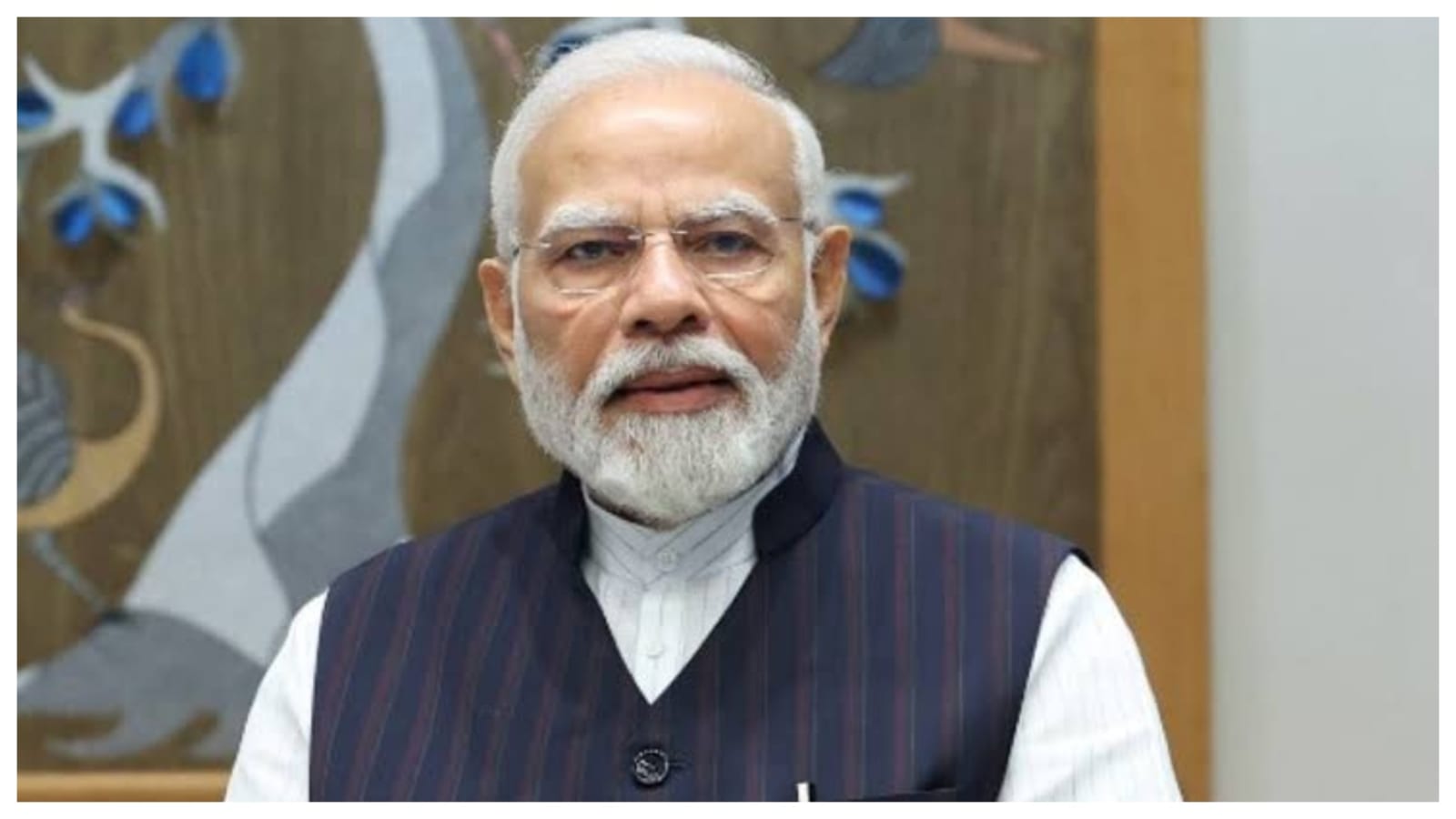
On 25 October 2026, the airwaves of India carried a message that felt less like a speech and more like a pilgrimage. Prime Minister Narendra Modi, in the 139th episode of Mann Ki Baat, spoke to listeners across the country with the reverence of a pilgrim greeting a sacred site. He framed the program itself as a journey that brings the nation together, a platform where the stories of everyday Indians—farmers, weavers, river guardians—are heard and honored.

Modi reflected on the program’s evolution, noting how it has grown from a simple talk show into a national forum that celebrates the “कड़ी मेहनत, साहस, संकल्प, समर्पण और सेवा भाव” of ordinary citizens. His words echoed the sentiment that the show is a celebration of the nation’s collective spirit.

#WATCH | Bicholim: Goa Chief Minister Pramod Sawant listened to the 139th episode of Prime Minister Narendra Modi's 'Mann Ki Baat' programme. He says, "...On behalf of the people of Goa, I commend PM Modi. In this programme, we consistently see a focus on both 'heritage' and 'development'. Today, he spoke once again about 'Shri Anna' (millets); we, too, have revived 'Shri Anna' in Goa..."
One of the highlights of the broadcast was a spotlight on Punjab, where traditional farming practices have been revived through initiatives like Nav‑Trinjan and the Kheti Virasat Mission. These programs encourage farmers to respect soil health while preserving age‑old techniques. Modi praised the resilience of Punjabi farmers, emphasizing that their work embodies the very values the program seeks to showcase.
The show highlighted community‑led projects that empower women by teaching them traditional crafts and providing them with market access.
In the same breath, the Prime Minister turned to the textile sector, where women in rural Punjab have found new agency through weaving. The show highlighted community‑led projects that empower women by teaching them traditional crafts and providing them with market access.
Across the mountains, Uttarakhand’s rivers have become a symbol of ecological renewal. The program highlighted river‑conservation projects that involve local communities in cleaning and protecting waterways. By celebrating these initiatives, Modi illustrated how grassroots participation can lead to tangible environmental outcomes, reinforcing the idea that self‑reliance starts at the village level.
The conversation also touched on organic cotton projects that aim to reduce chemical use in agriculture. These initiatives, part of a broader push toward traditional farming, demonstrate how traditional knowledge can be blended with modern practices to create products that are both environmentally friendly and economically viable.

PM Modi pushes "vocal for local" ahead of Diwali | Prime Minister Narendra Modi on Sunday delivered his 'Mann ki Baat' speech, marking 12 years of the initiative. He pitched the 'Vocal for Local' initiative ahead of the upcoming Diwali festival, saying Indians have started giving significance to indigenous goods during festivals. Full Report Here 👇 https://t.co/aWy6Ucmu43 #India #Modi #MannKiBaat #Diwali #VocalForLocal #Economy
In a nation as diverse as India, such a platform offers a rare space where every voice can be heard, and every effort can be celebrated.