
On 2026-10-23, a prisoner exchange took place, resulting in the return of 270 Ukrainian captives to Ukrainian soil. After several months of negotiations led by the Coordination Committee on the Treatment of Captive Military Personnel and the Office of the Ombudsman, under President Zelenskiy's instruction, the released individuals—including five who had previously been listed as dead in Olenivka—were welcomed back.
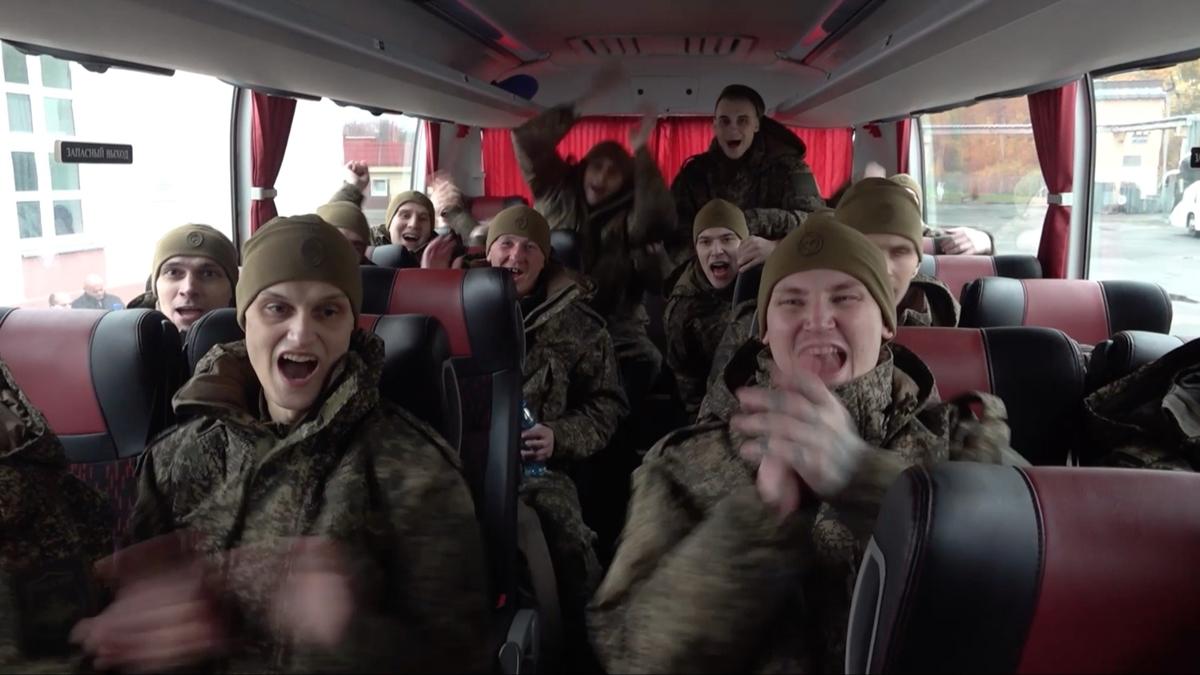
The exchange involved a total of 270 Ukrainian captives—261 military personnel and nine civilians—released in return for 270 Russian soldiers captured by Ukraine. Among the Ukrainian side were members of the Azov Regiment, a unit that has long been a symbol of fierce defense.
The path to this exchange began months earlier when President Zelenskiy instructed the Coordination Committee on the Treatment of Captive Military Personnel and the Office of the Ombudsman to push for a resolution. The committee worked tirelessly, negotiating with Russian counterparts while keeping families informed. The Ombudsman emphasized that the focus was on the most long‑term captives, the seriously ill, and the seriously injured, promising that the effort will continue beyond this single exchange.
While the headline figures capture the scale of the operation, the details reveal a deeper narrative.
For the Azov Regiment members, the return was more than a homecoming; it was a reunion with a unit that had endured intense scrutiny and fierce battles. “This is the first major prisoner exchange for the Azov Regiment in a long time,” said Dmytro Lubynets.
Nine of the released men were seriously ill, their bodies weakened by the harsh conditions of captivity. The freed soldiers came from various regions across Ukraine. Many had faced criminal prosecution and were convicted by Russian courts, adding layers of legal complexity to the exchange.
While the headline figures capture the scale of the operation, the details reveal a deeper narrative. The 270 Russian soldiers taken prisoner by Ukraine were held in Belarus, underscoring the transnational nature of the conflict. The swap illustrates a rare moment of reciprocity amid ongoing hostilities.
The exchange’s human cost is immeasurable. Families who had lived in uncertainty for years now have their loved ones back, but the trauma of captivity lingers. The soldiers’ return also signals a shift in the war’s dynamics, hinting at a possible easing of tensions—though the broader conflict remains unresolved.

Today, the 270 returned soldiers are being reunited with their families, and the Ukrainian government has pledged to continue efforts to free all remaining captives. President Zelenskiy announced the release of the soldiers and civilians, emphasizing that the work is far from over. As the nation watches these men step into the light, the exchange stands as a testament to perseverance, diplomacy, and the enduring hope that even in war, humanity can find a way home.