
For months, the corridors of power in Washington and New Delhi have been humming with the quiet, persistent work of trade negotiators. Ahead of his India visit, U.S. Secretary of State Marco Rubio confirmed that the United States and India are very close to finalizing a trade agreement. The announcement follows discussions between the two nations that have now largely been completed.
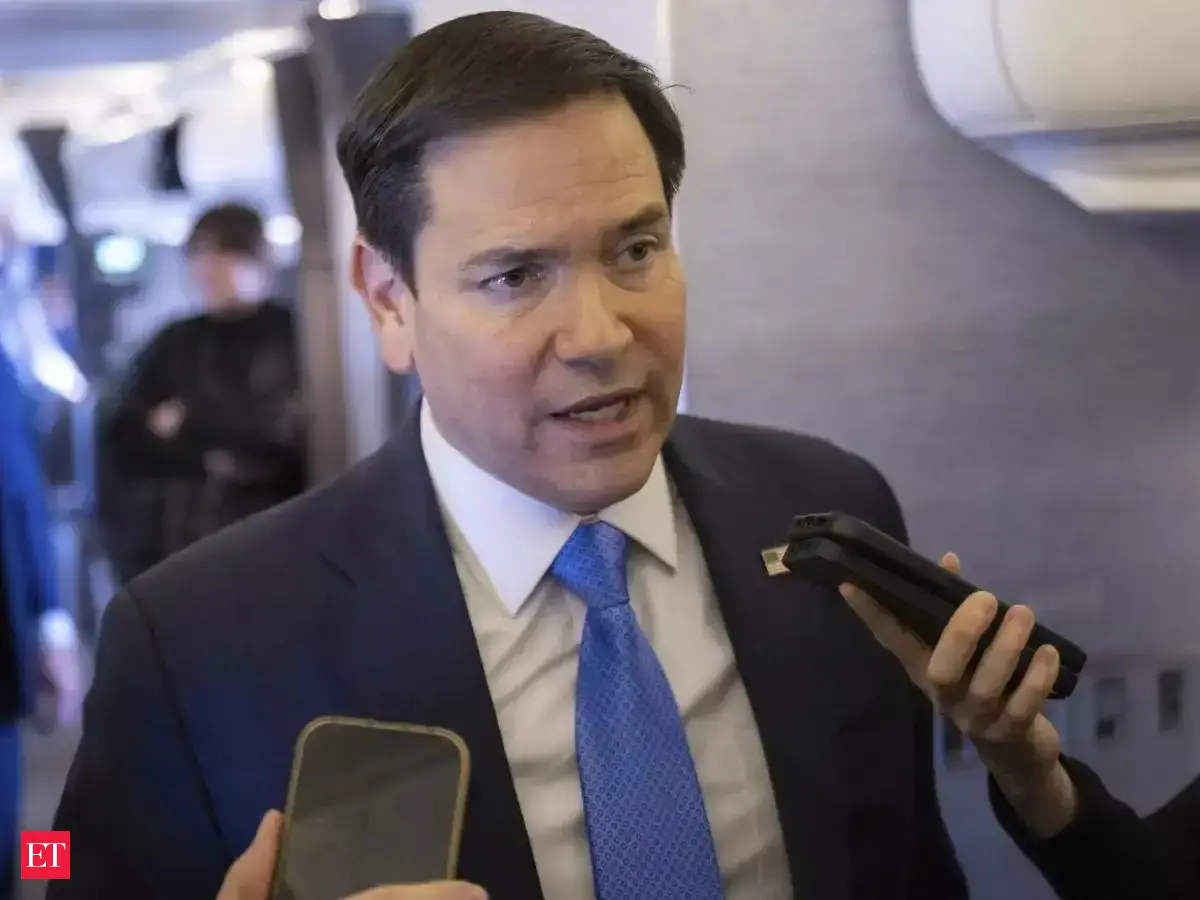
Trade, however, does not exist in a vacuum. As Rubio prepared for his travels, he addressed the balancing act involved in managing sanctions related to Russian fuel sales, national security waivers, and global energy supplies. Rubio noted that the U.S. has had to grant specific exemptions and waivers regarding Russian oil and gas, acknowledging their direct impact on global supplies and prices.

While Rubio’s direct meeting with Ambani in Jamnagar, Reliance’s newfound welcome for Starlink’s participation, and the timely planning of the Jio IPO..Ok Fine But one thing remains absolutely clear to me: corporate interests must never supersede national interests. In the end, India comes first.
These considerations come amid significant administrative steps in Washington. President Donald Trump recently signed an order regarding sanctions while providing tariff exemptions for countries buying Russian oil. Furthermore, Trump paused certain sanctions to evaluate their overall impact on both the global and U.S. economies.
The progress is clear as discussions have largely been completed, setting the stage for a new era of commercial cooperation.
At the heart of the impending agreement is a fundamental trade‑off: the reduction of U.S. tariffs on Indian exports in exchange for broader market access for U.S. products in India. The progress is clear as discussions have largely been completed, setting the stage for a new era of commercial cooperation.
Despite the progress, the path to a signature is not entirely clear. Negotiators have hit a persistent roadblock in the dairy sector, where market access remains a point of intense contention. While a first-phase trade agreement is near completion, the dairy sector requires consensus that remains a key hurdle for the agreement. This hurdle represents a crucial issue that both Washington and New Delhi are working to address.
Rubio highlighted India's status as an important ally during his remarks. By working to finalize this deal, the U.S. aims to lower tariffs on Indian exports while securing broader market access for American products in India.