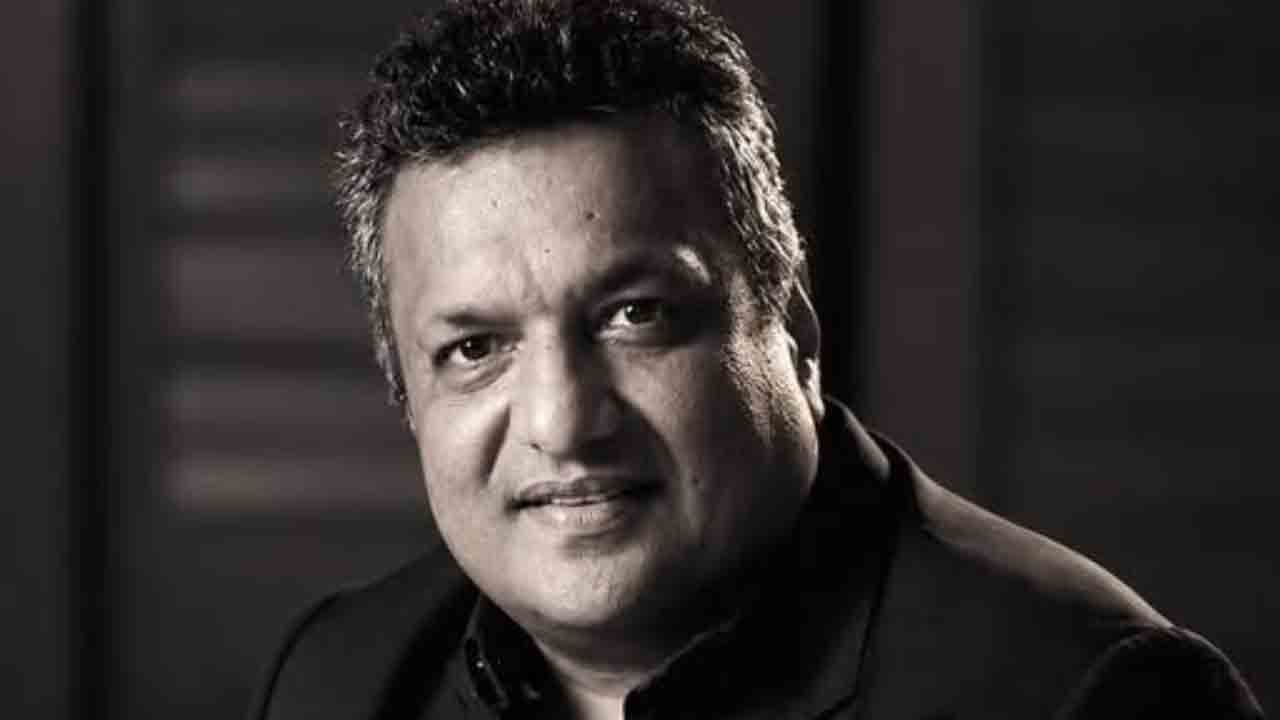
In the frenetic world of Hindi cinema, few names carried as much kinetic energy as Sanjay Gupta. He was not just a director; he was a narrator who understood that a film’s story is only half the equation; the other half is the pulse, the rhythm, the way a line of dialogue hangs in the air before it lands. His passing on October 30, 2026, at the age of 57, sent a shockwave through an industry that had long considered him a pillar of its modern creative structure. For those who stepped into the world of cinema with his work, Gupta represented a specific era where action was not just spectacle, but a lens through which social and personal conflicts were examined with a gritty, humanistic flair. The news of his death did not arrive with the slow buildup of a dramatic score, but with the sudden, jarring impact of a final cut to black. It was a moment where the collective realization set in that the voice which had narrated so many chaotic, high-stakes lives was now silent. The industry, known for its capacity to celebrate and mourn in equal measure, found itself in a rare state of collective pause, stunned by the fragility of the man who had directed so many scenes of controlled chaos.
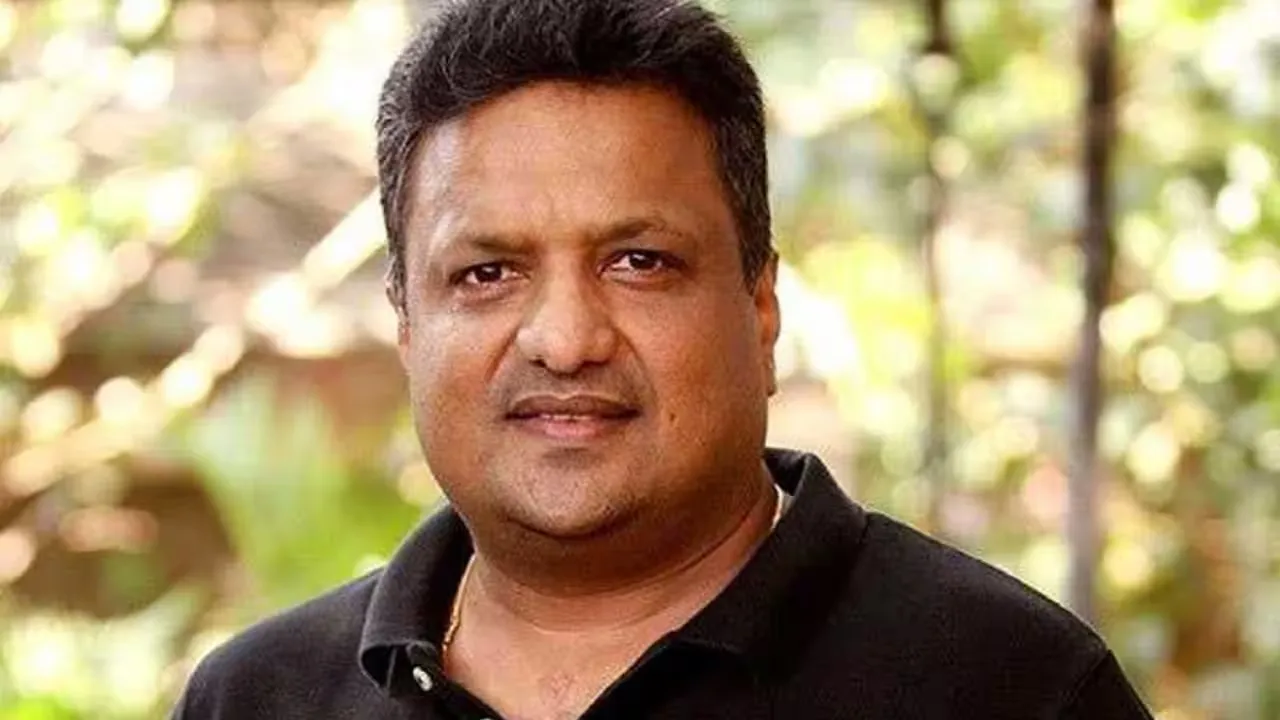
To understand the weight of his loss, one must look at the architecture of his career. Gupta’s impact was cemented by films that became benchmarks for a particular style of storytelling. Kaante, a crime drama that became a cultural phenomenon, showcased his ability to weave intricate plots with a sense of musicality that was rare for the genre. It was a film that respected the intelligence of its audience, treating criminal lives with a nuance that elevated them from simple villains to complex protagonists. But it was his follow-up, Shootout at Lokhandwala, that truly defined his signature. By choosing to film a real-life historical event with a sense of mythic weight, Gupta demonstrated that non-fiction could be as compelling as fiction if the narrative was handled with enough passion and precision. These were not just commercial products; they were statements about how stories are told. He was a filmmaker who believed that the narrative voice—the 'I' in the story—could be as powerful as any visual effect. For a newcomer to the industry, these films were not just entertainment; they were masterclasses in how to structure tension and release, how to use the camera to feel, not just to see. His death is, therefore, not just the loss of a body of work, but the loss of a specific, influential philosophy of filmmaking that had no immediate replacement in the current landscape.
While the industry focused on his legacy, the initial reports revealed the starkly domestic and unceremonious nature of his death. Sanjay Gupta passed away after falling in his kitchen at home, suffering from a head injury. The contrast between the public persona of a director who orchestrated large-scale shootouts and crime epics, and the private reality of a fall in his own home, is what makes the news so devastating. It strips away the mythos of the filmmaker as an invincible creator and returns him to his humanity. The details of the accident were not accompanied by the usual investigative frenzy; instead, they were met with a quiet, collective grief. The shock was palpable because the manner of death was so ordinary, yet its impact was so extraordinary. It was a reminder that the people who build these grand narratives are themselves subject to the unpredictable forces of life. The timeline of the event was clear: the fall occurred on October 31, and the death followed, but the emotional timeline was more complex, stretching back to the many years of inspiration his work provided.
It strips away the mythos of the filmmaker as an invincible creator and returns him to his humanity.
The mourning in the film industry was immediate and deeply personal. Ashoke Pandit, a fellow voice in the industry, expressed the sentiment that many shared in a public statement that felt more like a eulogy than a news update. "It’s really shocking and sad," Pandit wrote, using language that reflected the rawness of the moment. He described Gupta as "an ace director" and "a wonderful narrator," terms that highlighted the specific skills that made him stand out. "Full of life persona & a passionate filmmaker," Pandit added, emphasizing that Gupta’s influence was as much about his personality as it was about his credits. For a newcomer trying to understand the ecosystem of Bollywood, such quotes are crucial. They reveal that the industry is not just a machine of production, but a community of peers who recognize talent and personality. Pandit’s words, "Another talent gone too soon," captured the fear of a generation of filmmakers being lost before they had fully passed the baton. The phrase "Great loss to our industry" was not just a platitude; it was an acknowledgment that the structural support of that industry had shifted with his departure. The use of "Om Shaanti" at the end of his tribute offered a moment of spiritual closure, a final word of peace for a life cut short. As the days pass, the focus shifts from the immediate shock to the lasting question of how a new generation of filmmakers will carry forward the narrative tradition that Sanjay Gupta so passionately championed.