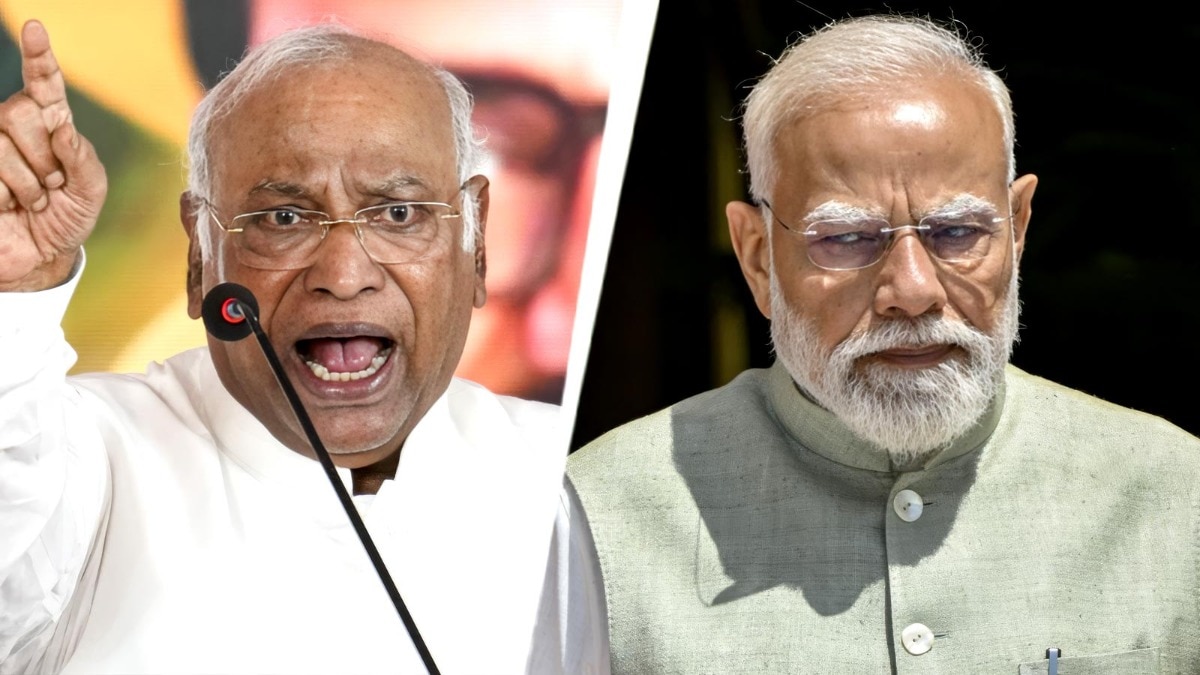
On 21 April 2026, the atmosphere in Patna was festive. The gathering celebrated Dr Shrikrishna Singh’s 139th birthday, a cultural milestone that drew politicians, scholars, and local dignitaries. Amid the ceremonial speeches, Congress leader Mallikarjun Kharge seized the microphone not to honor the honoree, but to launch a scathing critique of Prime Minister Narendra Modi. Kharge’s remarks, though brief, set a tone that would echo through the months that followed: he accused Modi of exploiting religious sentiment for political gain and warned that such tactics threatened the secular fabric of the nation.
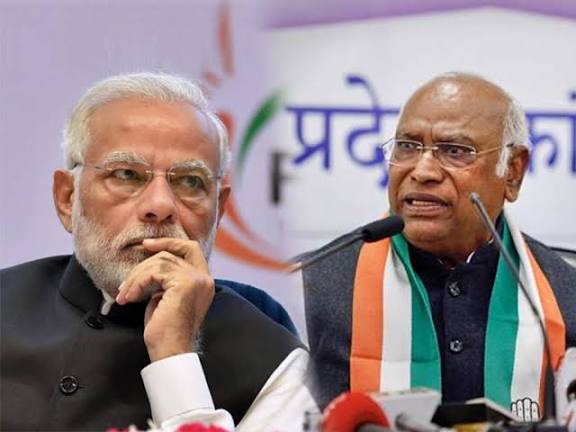
Five months later, on 20 October 2026, Kharge sharpened his focus on the ideological underpinnings of the ruling party. In a separate address, he targeted the Rashtriya Swayamsevak Sangh (RSS), the ideological parent of the BJP, labeling its doctrine as a distortion of Hindu values. By positioning the RSS as a “poisonous snake” coiled around the nation’s religious identity, Kharge framed his criticism not merely as a political jab but as a defense of a pluralistic Hinduism. The timing was significant; the BJP was gearing up for a series of state elections, and any challenge to its ideological base threatened to reverberate beyond the corridors of power.
The most explosive moment arrived on 25 October 2026, when Kharge, now speaking as Congress president, uttered a line that would dominate headlines for weeks: “मोदी का बाप भी जाएगा,” translated as “Modi’s father will also go.” Delivered during a heated session in Bihar, the comment was a direct retort to what Kharge described as Modi’s family’s “exaggerated claims” about their political destiny. By invoking the Prime Minister’s father—a figure rarely mentioned in public discourse—Kharge aimed to undercut the aura of inevitability that the Modi family had cultivated.
Unwilling to sit idle, Congress turned the tables by accusing the BJP of applying “different standards to political rhetoric.
The BJP’s reaction was swift and theatrical. Party leaders accused Kharge of breaching political decorum, demanding a public apology and labeling his language as “objectionable.” Amit Shah, a senior BJP figure, declared, “Congress has repeatedly used objectionable language against Modi and members of his family.” The party’s rhetoric escalated to the point of planning an effigy burning of Kharge, a symbolic act meant to signal that such insults would not be tolerated. This response highlighted a broader strategy: the BJP sought to frame the controversy as a matter of respect for the office of the Prime Minister, rather than a debate over policy or ideology.

VIDEO | Lucknow: Samajwadi Party spokesperson Fakhrul Hasan Chand on Congress national president Mallikarjun Kharge's statement, says, "Kharge ji has difficulty speaking and understanding Hindi. This is not the first time he has made such statements, but clarifications have followed later. He may have used words he did not intend to use. In a democracy, everyone has the right to oppose the government. The Samajwadi Party believes that Kharge did not intend to hurt anyone's sentiments or make remarks about someone's father or family." (Full video available on PTI Videos - https://t.co/bIyFWTfmBd)
Unwilling to sit idle, Congress turned the tables by accusing the BJP of applying “different standards to political rhetoric.” The party argued that while the BJP routinely employed sharp language against opposition figures, it now demanded restraint from its own members. This charge of hypocrisy resonated with a segment of the electorate that had grown weary of partisan vitriol. By positioning themselves as the victims of a double‑standard, Congress attempted to reframe the narrative from one of personal insult to a broader critique of the ruling party’s approach to political discourse.
Kharge’s series of statements—spanning criticism of Modi’s policies, attacks on RSS ideology, and the incendiary “father will also go” line—illustrate how language functions as a weapon in India’s highly charged political arena. Each remark was not an isolated outburst but part of a calculated escalation that forced the BJP to respond publicly, thereby amplifying the controversy. The episode underscores a longstanding tension: the balance between robust democratic debate and the perceived need for civility, especially when religious and familial symbols are invoked.

#BreakingNews | According to Congress sources, party chief Mallikarjun Kharge took a dig at Shashi Tharoor during the CWC meeting Kharge, according to sources, asked Tharoor: “Will you be there? Or will your statements appear in the papers?” @ShivaniGupta_5 with details https://t.co/b3eULZI7X0
Months after the October 25 flare‑up, the political landscape remains unsettled. The BJP continues to emphasize decorum and has not issued a formal apology to Kharge, while Congress maintains that the episode reveals a pattern of selective outrage by the ruling party. The episode has become a reference point in subsequent debates about the limits of political speech, especially when it touches on personal or religious matters. For newcomers to Indian politics, Kharge’s remarks and the ensuing fallout serve as a vivid illustration of how a single phrase can ignite a nationwide conversation about power, identity, and the boundaries of democratic expression.
