On October 20, 2026, Spain’s highest court issued a clear directive: the government must provide a complete list of individuals who had been naturalised under the so‑called “law of nieces and nephews,” formally known as the Law of Democratic Memory. The order was neutral in tone but carried the weight of judicial authority; failure to comply could trigger legal penalties for the ministers responsible.
Within days, two ministries sprang into action. The Ministry of Justice, tasked with the legal framework, partnered with the Ministry of Foreign Affairs, which took charge of gathering data from Spanish consulates worldwide. Their joint effort began in September 2026, a month before the court’s deadline, and involved combing through records of naturalisation applications filed by the grandchildren of Spanish citizens.
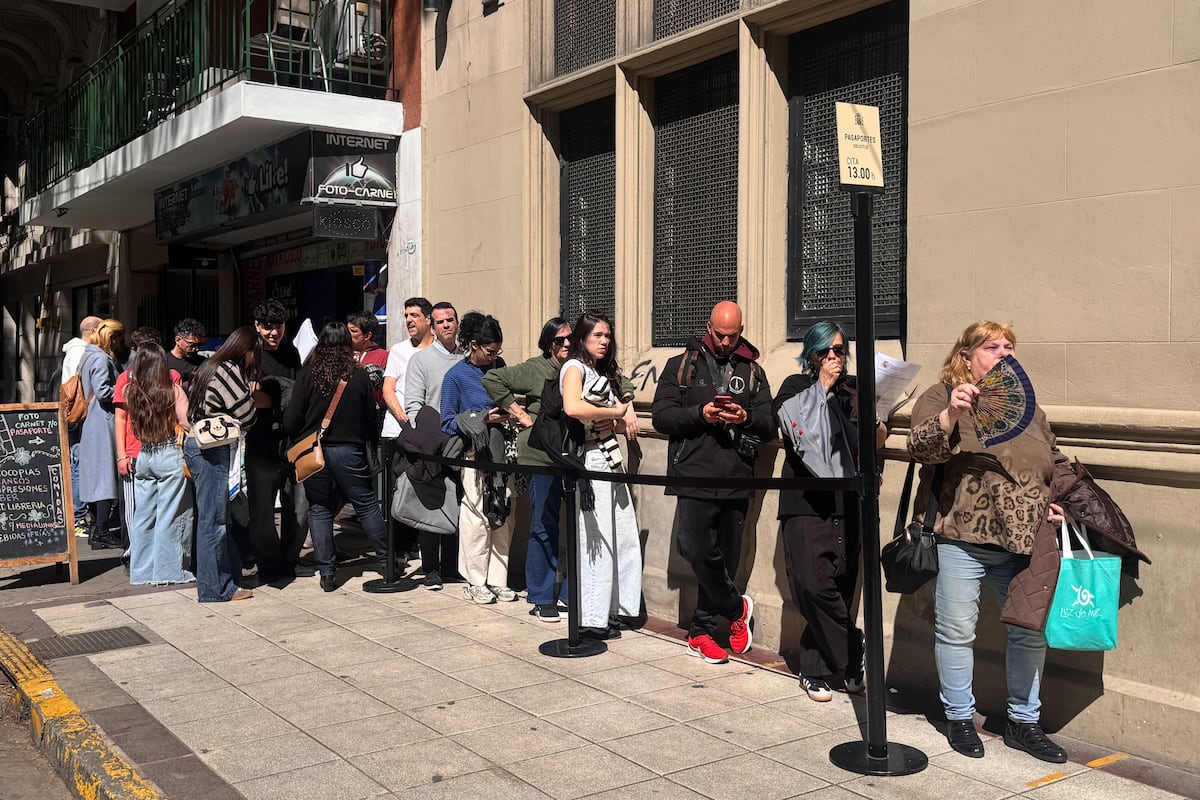
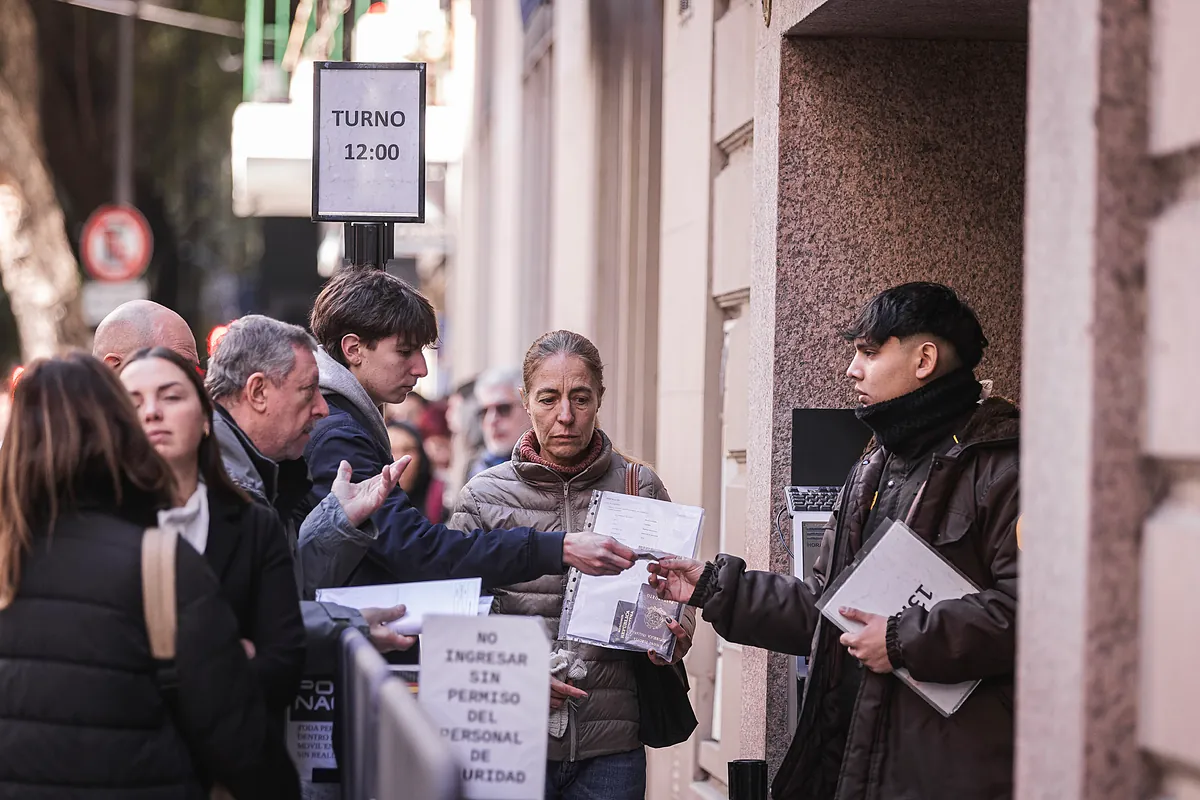
Consulates became the frontline in this data‑collection mission. Each diplomatic post was asked to verify the status of applicants who claimed citizenship through descent, cross‑checking birth certificates, proof of lineage, and prior naturalisation paperwork. The ministries coordinated this massive administrative exercise from Madrid, aiming to produce a single, definitive roster.
With the clock ticking, ministries worked round‑the‑clock to finalise the document.
As the deadline loomed, the State’s legal office – the Abogacía del Estado – lodged a request with the Supreme Court to keep the list confidential. The rationale was to prevent the information from being weaponised by political parties seeking to influence public opinion or electoral outcomes. The request underscored the sensitivity of the data: names, dates of birth, and the very fact of naturalisation could become political fodder.
On October 28, 2026, the Supreme Court reiterated its demand, issuing an order that the list be submitted by 3 p.m. that same day. The order was again neutral, simply restating the earlier deadline and emphasizing the need for the information to be handed over promptly.
With the clock ticking, ministries worked round‑the‑clock to finalise the document. By the afternoon deadline, the government succeeded in delivering a nominal list containing exactly 163,355 individuals – the precise figure that had been the subject of the court’s inquiry.
The roster, officially described as a list of “beneficiaries of the ‘grandchildren law,’” enumerates each person who had been granted Spanish nationality under the provisions that allow descendants of Spaniards to reclaim citizenship. The list is intended to serve a specific judicial purpose: it will enable the Supreme Court to determine whether any of those individuals should have their voting rights suspended, a measure contemplated under the law’s implementation guidelines.

Analysts note that the potential impact on the electorate is minimal. Even though the list is sizable, the number of people whose voting rights might actually be affected is expected to be small. The law’s framework includes safeguards that limit suspension to cases where procedural irregularities are identified, not to a blanket disenfranchisement of all 163,355 names.
The court’s earlier warning about penalties for non‑compliance loomed over the ministries throughout the process. By meeting the deadline, the Justice and Foreign ministries avoided any sanction, demonstrating a rare instance of swift coordination between administrative bodies and the judiciary in Spain’s often protracted bureaucratic landscape.
With the list now in the Supreme Court’s hands, the next step is a confidential review. The court will assess the data, decide on any necessary suspensions of voting rights, and determine whether the confidentiality request from the Abogacía del Estado will be honoured. Until that decision is rendered, the names remain out of public view, and the political debate surrounding the law’s legacy stays largely academic.
As of the close of business on October 28, the Spanish government has fulfilled its court‑ordered obligation. The Supreme Court holds a sealed file of 163,355 beneficiaries, and the ministries that compiled it have demonstrated that, when pressed by judicial authority, they can deliver massive administrative undertakings within a tight timeframe. The nation now waits for the court’s final word on the list’s confidentiality and any electoral ramifications that may follow.