On 23 June 2016, voters across the United Kingdom went to the polls to decide whether the country should remain a member of the European Union or leave. The result of that vote triggered the Brexit process and has remained a focal point of British politics ever since.

Following the referendum, Andy Burnham, then serving as Prime Minister, asserted that Vladimir Putin’s government had attempted to meddle in the 2016 EU referendum. His remarks suggested that Russian interference had played a role in the outcome.

Did Russia interfere with the Brexit referendum? After Prime Minister Andy Burnham said he had been told definitively that there was Russian interference in the 2016 referendum, @justinonwebb presses Minister Stephen Doughty about what evidence there is to prove that. https://t.co/RGmmOUeHh7
In response to Burnham’s claim, Downing Street issued a statement clarifying the government’s position. It acknowledged that interference attempts by Russia may have occurred but stressed that those efforts were unsuccessful in altering the referendum result.
He labelled the claims a "hoax" and went further, calling the Prime Minister a liar.
The clarification was accompanied by a broader message from the government: the referendum result is legitimate and the Prime Minister is focused on the future rather than re‑litigating the past.

At last the truth........as Nigel Farage said this morning - ANDY BURNHAM IS A LIAR.
Foreign minister Stephen Doughty echoed the Downing Street position.
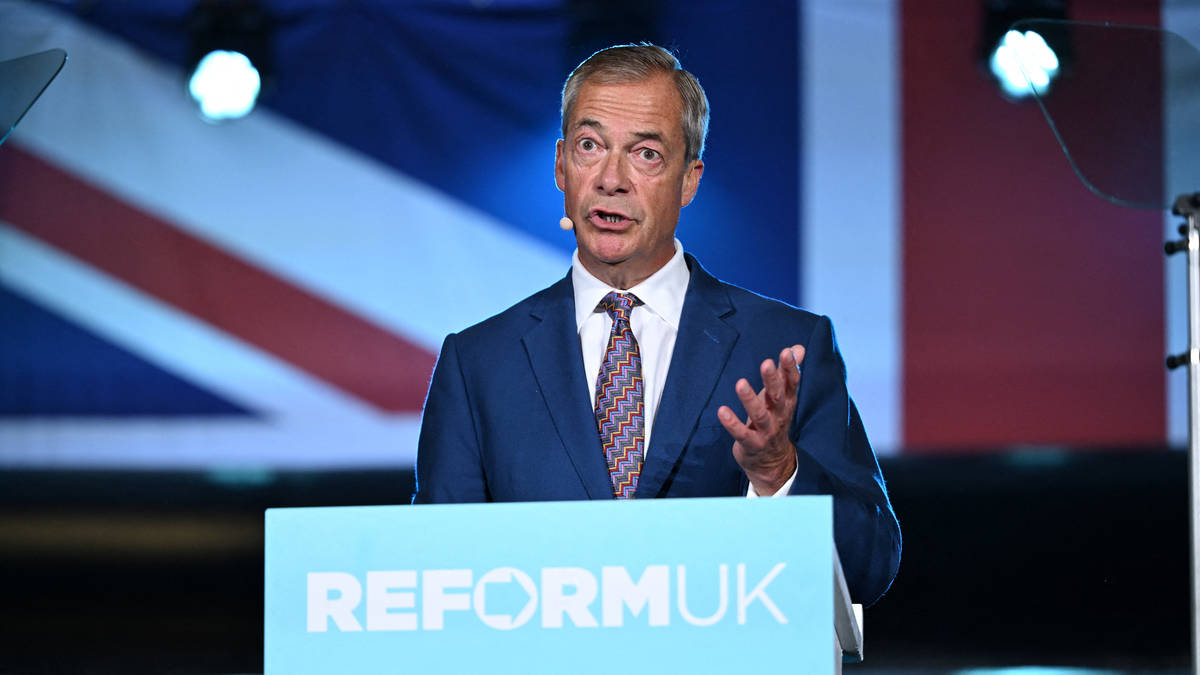
Nigel Farage, a prominent Brexit supporter, reacted sharply to Burnham’s allegations. He labelled the claims a "hoax" and went further, calling the Prime Minister a liar. Farage insisted there was no Russian interference and accused Burnham of perpetuating a false narrative.

Nigel Farage brands Andy Burnham a 'liar' as Brexit row erupts https://t.co/qINyN20puw https://t.co/MuQVQYlYaB
Amid the exchange, commentary emerged about the theoretical possibility of the United Kingdom rejoining the European Union. Observers pointed out that Andy Burnham had spoken about adding a new referendum to Labour’s manifesto, while the Prime Minister had reiterated that Russia had attempted to interfere in the 2016 vote.

Should the UK ever seek to rejoin, the process would fall under Article 49 of the EU Treaty. This provision outlines the formal route for a country to become a member, but it requires unanimous approval from all existing member states and would not be fast‑tracked, making any return a lengthy and uncertain prospect.
According to the chronology supplied, the EU referendum took place on 23 June 2016. More recently, on 12 October 2026, Nigel Farage held a press conference to denounce claims of Russian interference.
Simultaneously, the conversation about a potential return to the EU remains speculative, constrained by the procedural requirements of Article 49 and the political will of both the UK and the remaining member states.