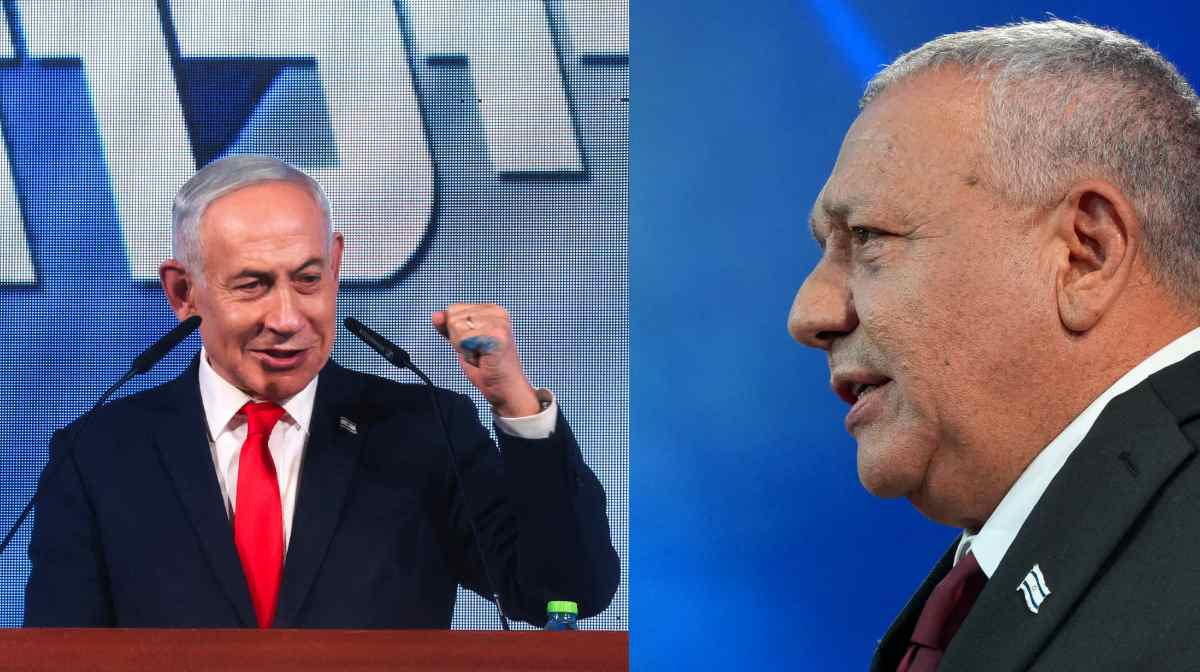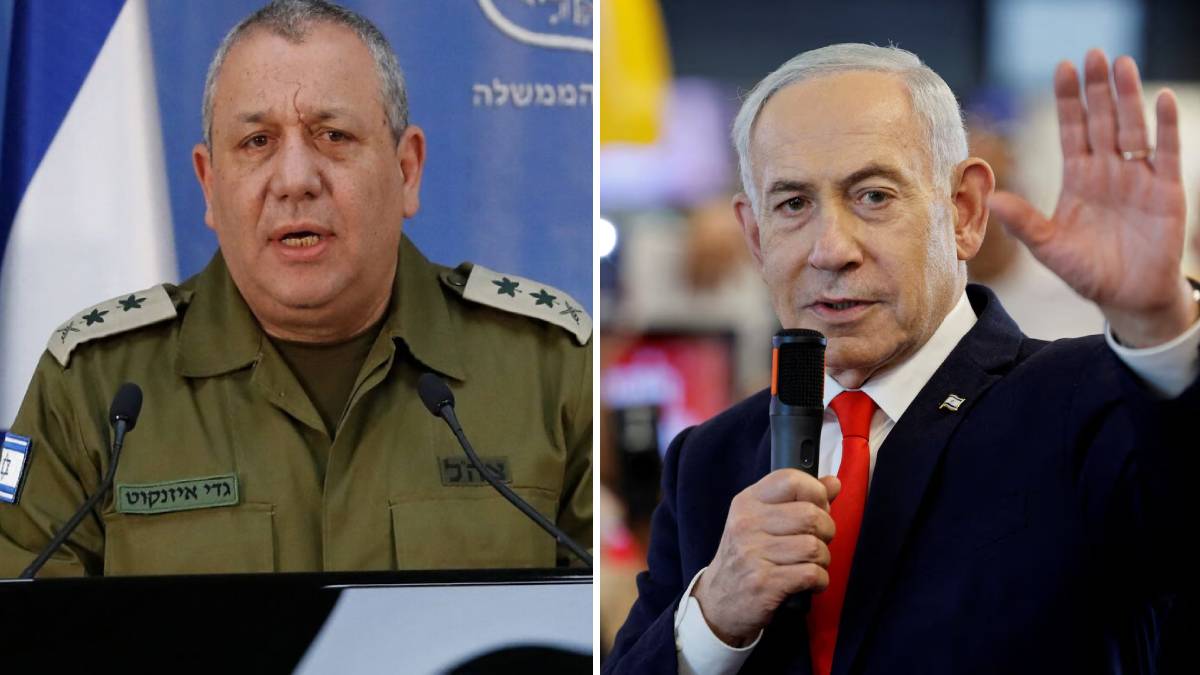
In the dim glow of the polling booths, voters’ choices translated into a stark arithmetic reality: no single party or coalition could muster the 61 seats required to form a government in Israel’s 120‑seat Knesset. The exit polls, released on October 28, 2026, painted a picture of a fragmented parliament. Benjamin Netanyahu’s coalition, anchored by the Likud party, captured 27% of the vote, while the opposition coalition led by Gidi Eisenkot garnered 17%. The Likud party itself is projected to win 27 seats, and Yesh Atid, a key partner in Netanyahu’s camp, is expected to secure 17 seats. Arab parties, meanwhile, are poised to claim 18 seats, a figure that could tip the balance in a hung parliament.
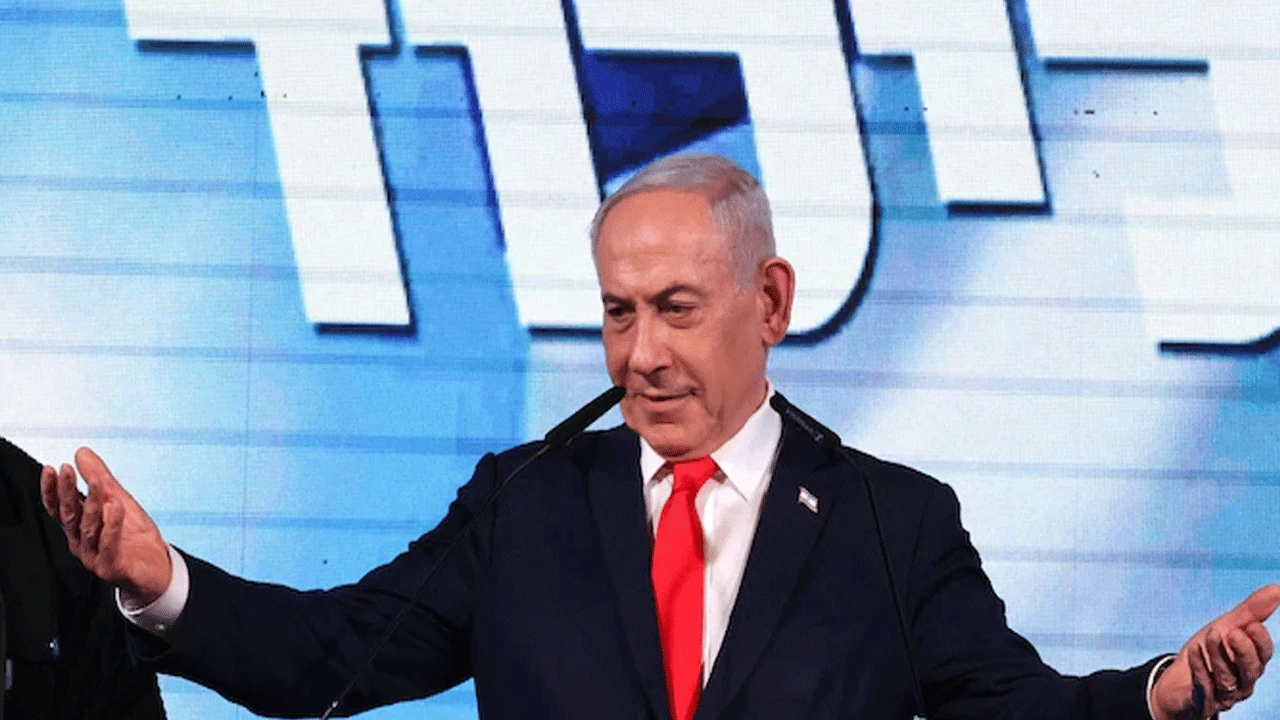
Amid the uncertainty, Netanyahu took to the podium to reassure his base. "I promise to form a right‑wing government," he declared, a statement that echoed the confidence of his supporters but also underscored the challenge ahead. With only 27% of the vote, his coalition still falls 34 seats short of the 61‑seat threshold. The promise, while rallying, also highlights the need for alliances that stretch beyond the traditional right‑wing bloc.
Opposition leader Gidi Eisenkot offered a counterpoint. "The results indicate a lack of trust in Netanyahu," he said, framing the outcome as a mandate for change. Eisenkot’s coalition, with 17% of the vote, also faces the same 61‑seat hurdle. His comments signal a readiness to negotiate, but also a willingness to challenge Netanyahu’s long‑standing hold on power.
Likewise, Eisenkot’s coalition must seek allies among smaller parties or the Arab bloc to gain a foothold.
The exit polls suggest that Arab parties could claim the remaining 18 seats, a figure that could become decisive in a coalition. While the polls do not name specific parties, the collective strength of Arab representation in the Knesset could position them as kingmakers. Their potential to swing a coalition either toward Netanyahu’s right‑wing agenda or Eisenkot’s opposition platform adds a new layer of complexity to the post‑election landscape.
With no party holding a majority, the path forward is uncertain. The Likud‑Yesh Atid alliance, though the largest bloc, still requires additional partners to cross the 61‑seat threshold. Likewise, Eisenkot’s coalition must seek allies among smaller parties or the Arab bloc to gain a foothold. The exit polls’ indication that no single coalition can govern alone forces a return to the age‑old Israeli practice of coalition building, a process that can be both swift and protracted.
The immediate future hinges on negotiations that could either bring together a diverse coalition or trigger a fresh election. If Netanyahu’s camp can secure the support of Arab parties or other smaller factions, a right‑wing government could materialize. Conversely, if Eisenkot’s coalition manages to form a broad alliance, a new direction could emerge. In either scenario, the 18 seats held by Arab parties will be pivotal, turning them into potential kingmakers in a parliament that remains deeply divided.
The exit polls have set the stage for a political drama that will test Israel’s coalition‑building traditions. Whether Netanyahu can deliver on his promise or Eisenkot can capitalize on the perceived lack of trust will shape the next chapter of Israeli governance. For now, the Knesset remains a chessboard, with each seat a move that could alter the country’s political trajectory.