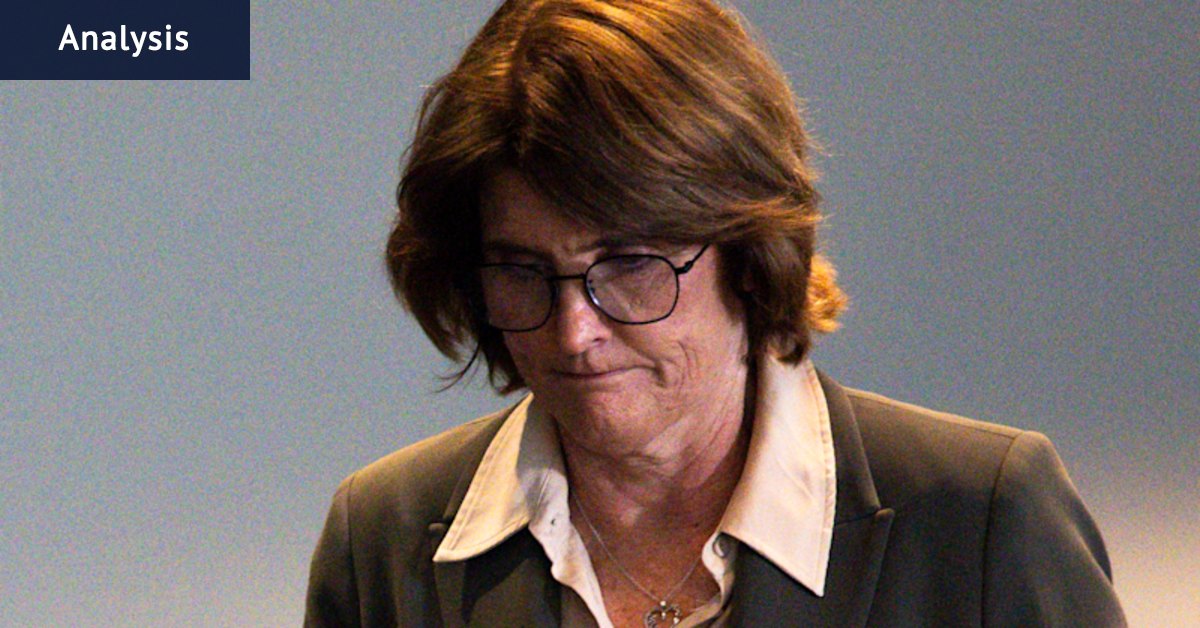
In the quiet suburbs of Sydney, Melbourne, and Brisbane, a quiet panic has settled in. For the past year, Australians have watched their mortgage repayments creep higher, their paychecks stretch thinner, and the dream of homeownership—once a cornerstone of the national identity—slip further out of reach. The culprit? Five interest rate hikes in 12 months, each one a deliberate squeeze by the Reserve Bank of Australia (RBA) to tame inflation. But as the central bank’s governor, Michele Bullock, put it in her latest statement, “we don’t see the economy cracking at this point.” The question now isn’t whether the RBA’s medicine is working—it’s whether the patient can survive the treatment.
The latest rate rise, the fifth of the year, came with a stark acknowledgment: ordinary Australians are under severe financial strain. Higher mortgages, soaring oil prices, and plummeting property values have turned what was once a steady climb toward prosperity into a precarious balancing act. Yet beneath the surface, the cracks are showing. Unemployment has inched above 5 percent, real wages are shrinking, and inflation—fueled in part by the fallout from geopolitical conflicts—shows no signs of relenting. The bank’s message is clear: demand is cooling, but the government’s spending spree is about to kick in, and someone will have to answer for the fallout.
That someone, for now, is Jim Chalmers, Australia’s treasurer. The RBA has done its part—raising rates to cool an overheated economy. But the political accountability for the human cost? That lands squarely in Chalmers’ lap.
The RBA’s rate hikes were supposed to protect the economy from overheating, but for many, it feels like a punishment for trying to get ahead.
That’s not just an abstract number—it’s the difference between a night out with friends and a night in, staring at the ceiling and wondering how you’ll cover the power bill. Combine that with stagnant wages, and the equation doesn’t add up.
The RBA’s rate hikes were supposed to cool the housing market, but for many, it feels less like a correction and more like a crash landing.
Inflation, the specter that haunts every central banker, is the reason behind the RBA’s aggressive rate hikes. But here’s the paradox: the higher rates go, the more they squeeze households, which in turn reduces demand—and lower demand should, in theory, ease inflation. So why isn’t it working?
Part of the answer lies in global forces beyond Australia’s control. But the RBA’s own data suggests another problem: government spending is about to ramp up. With public demand already moderating due to higher borrowing costs, the treasury’s increased expenditure could either act as a stabilizer—or pour fuel on an already smoldering fire.
Bullock’s cautious optimism—“we don’t see the economy cracking”—hints at a delicate balancing act. The RBA can’t keep raising rates forever without pushing the economy into recession. And if they stop too soon, inflation could flare back up. It’s a no-win scenario, but for now, the bank is betting that the pain will be temporary. The real question is whether Australians can afford to wait.
The numbers tell a story, but the people behind them bring it to life. Take the family in Melbourne who bought their first home in 2021, when interest rates were near historic lows.
Then there’s the small business owner in Sydney, who’s seen foot traffic drop as discretionary spending dries up. Higher rates mean higher loan repayments, and with inflation eating into profits, the margin for error has vanished. The RBA’s rate hikes were supposed to protect the economy from overheating, but for many, it feels like a punishment for trying to get ahead.
Jim Chalmers inherited an economy that was already under pressure when he took office. The RBA’s rate hikes were a response to inflationary pressures, but the political fallout is Chalmers’ to manage. The treasurer has walked a fine line, trying to reassure markets while acknowledging the hardship facing ordinary Australians. His challenge now is to prove that the government can soften the blow without derailing the RBA’s efforts to stabilize prices.
The treasury’s upcoming spending plans will be critical. If the government injects too much money into the economy, it could undermine the RBA’s work. If it does too little, the pain will only deepen. Chalmers’ ability to navigate this tightrope will define his economic legacy—and whether Australians see him as a savior or just another politician caught in the crossfire.
Australia isn’t alone in this struggle. Across the globe, central banks are grappling with the same dilemma: how to cool inflation without crashing the economy. The lesson? Monetary policy is a blunt instrument. It can slow an overheating economy, but it can’t fix everything—especially when global shocks and domestic spending habits collide.
For Australia, the next few months will be telling. If unemployment rises sharply, if property prices keep falling, or if inflation refuses to budge, the RBA may have no choice but to keep tightening. But every hike brings the economy closer to the edge. The question is whether Chalmers—and the Australian public—can stomach the wait for a recovery that may never come.
The RBA’s latest move was a signal: the central bank is done playing patience. But the real test is whether the economy can absorb the shock. With wages stagnant, unemployment rising, and households stretched thin, the risk of a deeper downturn looms large.
For now, the RBA is holding steady, watching and waiting. But the clock is ticking. If the next few quarters don’t show signs of improvement, the bank may have to act again—leaving Chalmers with an even harder choice: double down on austerity or risk inflaming the inflation crisis further.
One thing is clear: Australia’s economic future isn’t just in the hands of central bankers. It’s in the hands of politicians, households, and global forces none of them can control. And for millions of Australians, the question isn’t whether the economy will recover—it’s whether they’ll still be standing when it does.