
In the complex landscape of European security, Germany is preparing to take an unprecedented step: purchasing Ukrainian-made 'Bars' cruise missiles for its own military use. This potential acquisition, expected to be finalized by German authorities, represents a notable shift in defense cooperation and underscores Germany's ongoing efforts to strengthen its deterrence capabilities against Russian aggression.
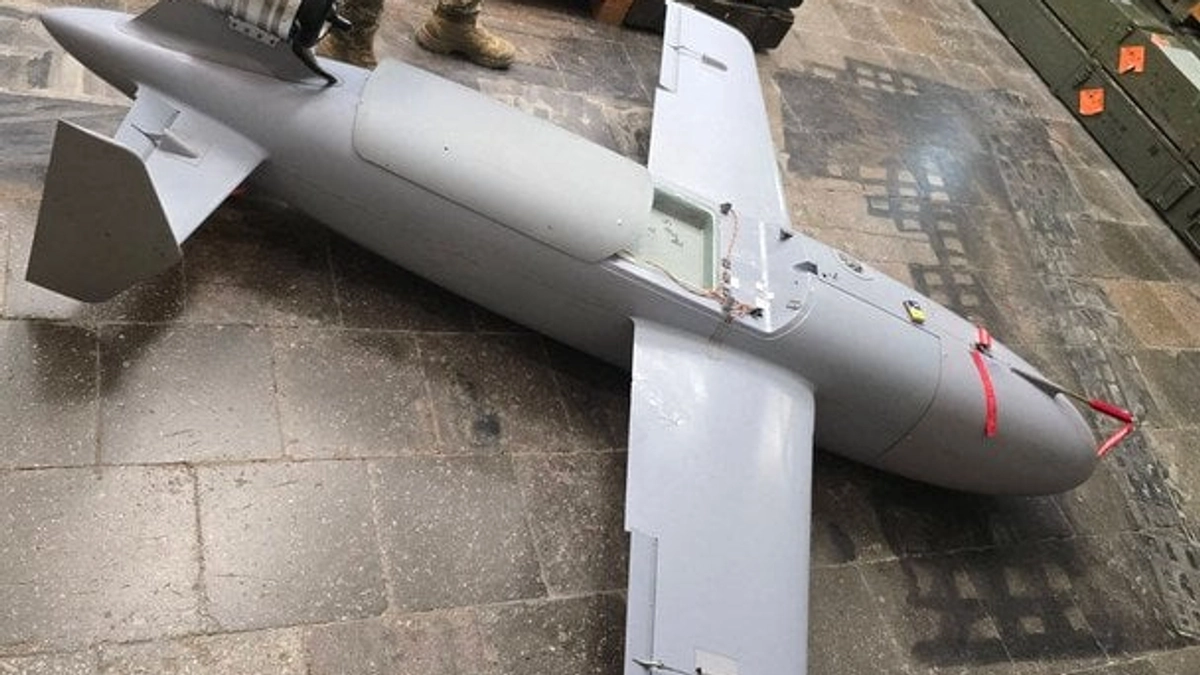
The initial purchase is focused on technical testing by Germany's Bundeswehr. These missiles, developed through a Ukrainian-German joint venture, will undergo rigorous evaluation to determine their suitability for German military requirements. If the tests prove successful, Germany may proceed with larger acquisitions, potentially purchasing several hundred of these advanced weapons systems.
What makes the 'Bars' missiles particularly attractive to German planners is their impressive specifications. With a maximum range of 1,000 kilometers and a payload capacity of up to 105 kg, these cruise missiles offer significant tactical advantages. This extended range would give Germany a capability currently lacking in its arsenal, particularly when compared to its existing Taurus cruise missiles, which have a more limited operational range.
Germany's pursuit of the 'Bars' missiles comes against a backdrop of broader rearmament efforts.
Germany's pursuit of the 'Bars' missiles comes against a backdrop of broader rearmament efforts. This push follows Germany's realization of the need for enhanced offensive capabilities. Germany has also explored alternative solutions like American-made Anthem rockets, which the country also intends to purchase and test in small quantities, and had previously planned to buy American Tomahawk missiles, though those plans faced delays.
The production of 'Bars' missiles through a Ukrainian-German joint venture presents several strategic benefits. This collaboration not only ensures a supply of the missiles but also fosters deeper technical cooperation between the two nations' defense industries. The joint production model may offer Germany more control over the supply chain and potentially more favorable terms than purchasing fully developed systems from other suppliers.
This potential acquisition sends a clear signal about Germany's commitment to enhancing European security. By incorporating Ukrainian-developed technology into its arsenal, Germany is not only strengthening its own defense capabilities but also supporting Ukraine's defense industry. This move could encourage other European nations to consider Ukrainian defense technologies, potentially reshaping the continent's defense procurement landscape.

🇩🇪 Germany is launching its own production of missiles for Patriot systems to supply them to Kyiv without needing U.S. approval. According to unverified information from Ukrainian media citing German Major General Christian Freuding, the new production line will be completely independent of the United States. This would allow Germany to decide on its own who to supply the missiles to and when. Freuding emphasized that Berlin intends to continue supporting Ukraine, including through the supply of ammunition. The general also confirmed that discussions are underway regarding the transfer of two Patriot batteries to Ukraine in the near future. To do this, Germany would first need to purchase the systems from the U.S. Apparently, Germany has run out of domestic problems — or perhaps this is just a new scheme for financial gain? - UARU
As Germany moves closer to finalizing this deal, the eyes of European defense observers will be closely watching the testing phase and subsequent decisions regarding larger-scale procurement. The successful integration of 'Bars' missiles into the German military could mark the beginning of a new era in European defense cooperation, one that increasingly looks beyond traditional suppliers to emerging defense powers like Ukraine.