
For any school, a field trip is a logistical exercise in trust. Parents entrust their children to educators, and educators, in turn, rely on the institutional machinery of government oversight to ensure that the paths their students tread are secure. On October 13, 2026, that machinery failed with devastating consequences. A yeshiva school trip, sanctioned by the Ministry of Education’s Situation Room, led a group of students into the Ramim Ridge, a location that should have been a red zone. Instead of an educational excursion, the day ended in a tragedy that has left a family mourning and a nation questioning the lines of communication between those who plan trips and those who manage the land.
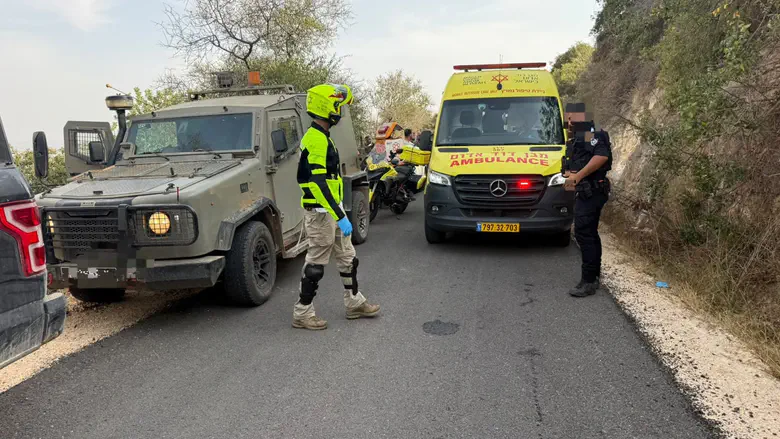
The Ramim Ridge was not merely a remote hiking spot; it was a landscape scarred by conflict. The Jewish National Fund (KKL-JNF), which manages the forest, had been clear about the dangers. The area was suffering from significant war damage, creating a hazardous environment that was not yet fit for public access. The KKL-JNF had taken the necessary steps to alert the authorities, sending a written notice to the Ministry of Education’s Trip Coordination Office explicitly stating that the trail was closed. Beyond the paperwork, the warning was public: a notice on the organization’s website prohibited hiking in the area, citing the presence of unexploded ordnance and the need for extensive rehabilitation.
Eyal Ostrinsky, chairman of the KKL-JNF, has since painted a stark picture of the condition of the forest at the time of the incident. According to Ostrinsky, the site was far from a state of readiness. The organization had only begun the process of rehabilitating the forest on June 22, 2026. Aside from the main road, which remained open as a critical artery for security forces, the surrounding areas were essentially active work sites. "This forest has not been cleared for safety reasons, including infrastructure and burned trees, and we have not yet finished dealing with it," Ostrinsky explained. The presence of unexploded munitions meant that every step off the beaten path was a potential encounter with lethal debris.
The Ministry of Education’s Situation Room had signed off on the route, setting the stage for the group to enter the ridge.
On the morning of October 13, 2026, the trip proceeded under the assumption of official approval. The Ministry of Education’s Situation Room had signed off on the route, setting the stage for the group to enter the ridge. The consequences were immediate and irreversible. While navigating the area, 14-year-old Elazar Yair Wilensky encountered an unexploded munition. The resulting detonation took the life of the young student, turning a school outing into a crime scene and a national scandal.
In the aftermath of the death, the Ministry of Education has maintained a defensive posture. Despite the fact that the trip ended on a closed trail, the Ministry insists that its approval process was sound. Their official stance is that the route they authorized did not traverse the prohibited zone, effectively suggesting that the tragedy was a result of a deviation from the plan rather than a failure of the approval itself. "The Ministry of Education acted in accordance with KKL-JNF's restrictions and prohibited activities in the area in question due to war damage," the Ministry stated, distancing itself from the physical reality on the ground.
This incident has ignited a fierce debate regarding the coordination between safety agencies and the Ministry’s approval process. If the KKL-JNF had provided written notice of the closure, and if that closure was public knowledge, how did a school trip receive the green light to operate in the vicinity? The gap between the Ministry’s bureaucratic approval and the physical reality of the Ramim Ridge suggests a breakdown in the flow of information. As Ostrinsky noted, the work to secure the area was ongoing and incomplete, yet the administrative machinery of the school trip system failed to account for these hazards.
Today, the questions surrounding the death of Elazar Yair Wilensky remain largely unanswered. The tragedy serves as a grim reminder of the lingering dangers of war, which often persist long after the fighting has ceased. For the families involved and the public at large, the incident is not just a story of a lost life, but a critique of the institutions that are supposed to keep children safe. As scrutiny intensifies, the focus remains on whether the Ministry of Education will acknowledge the failures in its oversight or continue to point toward a map that did not match the reality of the terrain.
