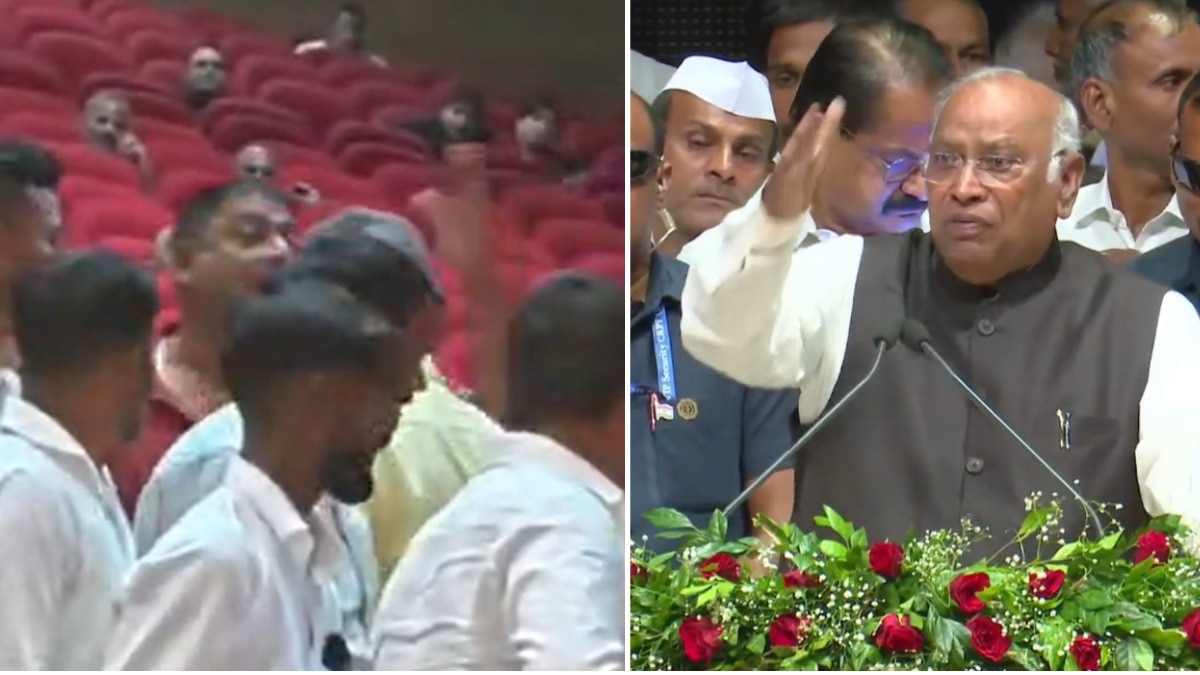
On the evening of October 25, 2026, the streets of Patna were thick with anticipation. Supporters of the Indian National Congress had gathered to hear Mallikarjun Kharge, a senior leader and former party president, address a crowd that spanned generations. The venue, a modest community hall in the heart of the city, quickly turned into a pressure cooker when Kharge launched a series of unflinching attacks on the ruling establishment. The atmosphere shifted from expectant to volatile within minutes, and a ruckus erupted that would dominate headlines across the nation.
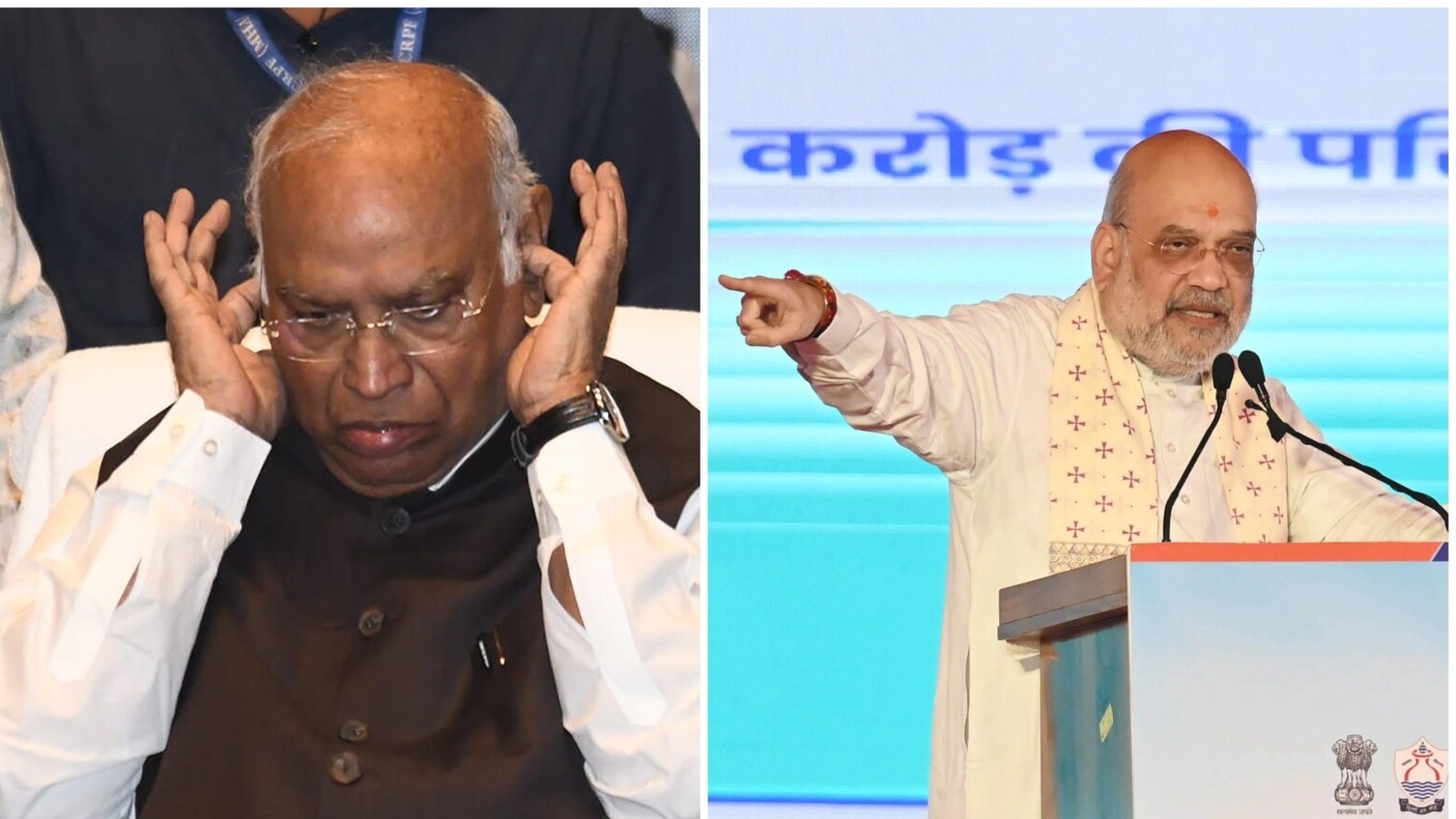
Kharge’s speech began with a direct jab at Prime Minister Narendra Modi, delivering a line that would become the flashpoint of the unrest: “Modi ka baap bhi jayega.” In Hindi, the phrase translates to a blunt dismissal of the prime minister’s authority, a rhetorical flourish that resonated with some listeners and provoked outrage in others. The comment, delivered in a tone that blended sarcasm with indignation, sparked immediate chants from the audience, some supporting the sentiment, others demanding order. Security personnel struggled to contain the swelling tension as the crowd’s reaction underscored the deep partisan divides that define contemporary Indian politics.

STORY | Bihar: Kharge’s ‘Modi ka baap bhi jayega’ remark in response to audience member courts controversy Congress president Mallikarjun Kharge on Sunday sparked a controversy with his remarks that "Modi ka baap bhi jayega", in response to an audience member's comment that "the PM would not go anywhere", during an event in Patna to mark the birth anniversary of Bihar's first chief minister, Shri Krishna Singh. READ: https://t.co/F9BTrNe9LK
Beyond the prime minister, Kharge turned his ire toward the Rashtriya Swayamsevak Sangh (RSS), the ideological parent of the Bharatiya Janata Party (BJP). He warned, “Therefore, as long as the ideology of the RSS persists in this country, there will be no peace.” By framing the RSS’s worldview as antithetical to national harmony, Kharge sought to cast the organization as a barrier to democratic stability. The statement amplified the existing friction between the Congress and the RSS, a relationship historically marked by ideological contestation. For many in the audience, the remark was a rallying cry; for others, it was a provocation that threatened to inflame communal sensitivities.
He invoked the deity directly, pleading, “I pray to Lord Ram to open his eyes and punish those who have looted wealth in his name.
Kharge’s critique did not stop at institutional ideologies. He seized upon the contentious Ayodhya Ram temple issue, accusing those who had “exploited the temple’s name for financial gain” of moral bankruptcy. He invoked the deity directly, pleading, “I pray to Lord Ram to open his eyes and punish those who have looted wealth in his name.” By intertwining religious reverence with accusations of corruption, Kharge aimed to portray the BJP’s handling of the temple as a cynical ploy rather than a genuine act of faith. The reference to “looted wealth” suggested a belief that the temple’s construction had become a conduit for personal enrichment, a charge that resonated with longstanding grievances about the politicization of religious symbols.

Kharge’s ‘Baap’ Remark on PM Modi Sparks Political Row Congress chief Mallikarjun Kharge’s remark at an event in Patna triggered a controversy, with the BJP condemning his language and demanding an apology. Kharge was responding to an audience member during his speech.
The speech’s crescendo arrived with Kharge’s sweeping indictment of electoral integrity across multiple states. He alleged “widespread electoral malpractice” and described Bihar’s governance as “jungle raj,” a term that evokes lawlessness and unchecked power. By asserting that “governments in several states had been formed through electoral manipulation,” Kharge painted a picture of a democratic system compromised by fraud and coercion. These claims, while lacking specific data in the public record, tapped into a broader narrative of disenfranchisement that opposition parties have leveraged in recent election cycles.
The immediate fallout from Kharge’s address was a palpable sense of disorder. Security forces intervened to restore calm, while media outlets scrambled to capture the moments of chaos that had unfolded. The incident reinforced the perception of a polarized political climate, where speeches can quickly devolve into flashpoints for public unrest. For the Congress, Kharge’s bold language served both as a rallying point for its base and a strategic gamble that risked alienating moderate voters. For the BJP and its RSS affiliates, the remarks provided ammunition for counter‑narratives that framed the opposition as destabilizing forces. As the dust settled in Patna, the episode underscored how a single speech can crystallize the fault lines of Indian politics, turning a rally into a national conversation about leadership, ideology, and the health of the electoral process.

CONTROVERSY IN PATNA: Congress President Mallikarjun Kharge sparked a major political row after making derogatory remarks targeting PM Modi. When an attendee during the rally claimed PM Modi isn't going anywhere, Kharge retorted with "Modi ka baap bhi jayega" Reports indicate the attendee was subsequently manhandled by party workers https://t.co/Z715Exw4HF