
On October 1, 2026, the sky above the Earth became a little more crowded, but for Ukraine, the addition was deeply personal. As SpaceX’s Transporter-18 mission ascended, it carried more than just hardware; it carried the OBRIA NANO, a small but significant satellite that marks the first test for what could become a fully independent Ukrainian communication network. This launch represents a pivot point for a nation looking to secure its own digital and strategic future.
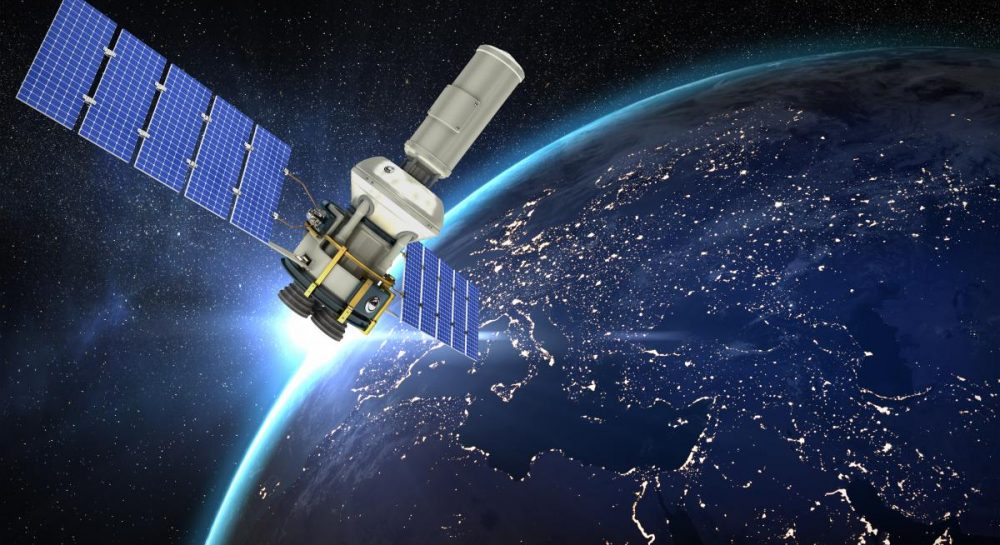
For any country, the ability to control its own communication channels is a cornerstone of modern stability. Relying on foreign infrastructure—the invisible web of satellites and ground stations owned by other nations or corporations—carries inherent risks. By launching OBRIA NANO, the Ukrainian tech company HIMERA is signaling its intent to move away from that dependence, seeking instead to build a system that is, at its core, sovereign.
Building a satellite network from the ground up is a monumental undertaking, one that experts acknowledge is fraught with technical and logistical hurdles. It is not merely about getting a piece of technology into space; it is about creating a reliable, resilient ecosystem that can function when external systems are unavailable or compromised. The project, a collaboration between HIMERA and the Danish GomSpace Group, is designed to address this very challenge.
In the modern era, communication is the lifeblood of both civilian life and national security.
The mission of OBRIA NANO is to serve as a proof of concept. It is the first step in a long-term strategic plan to develop an autonomous Ukrainian communication system. This isn't just about a single satellite; it is about the blueprint for a full-scale network that will eventually cover Ukraine and integrate seamlessly with broader European systems. The goal is to create a layered defense of connectivity, ensuring that the nation's data and communications remain under its own purview.

🛰 Great news! Ukraine has launched its first satellite for its own communications network Himera, together with Denmark's GomSpace, has launched the Obria Nano satellite into orbit. With its help, Ukraine will be able to develop its own communications infrastructure, relying less on foreign satellite systems. The first test satellite of Ukraine's future sovereign satellite communications network is already undergoing testing.
While the successful deployment via SpaceX marks a milestone, the true work for HIMERA lies in what happens after the satellite reaches its orbit. The company's vision extends far beyond the vacuum of space; it reaches deep into the industrial heart of Ukraine. A central pillar of this initiative is the localization of production. HIMERA aims to establish the manufacturing of both satellites and ground terminals directly within Ukraine.
This move toward domestic production is about more than just efficiency. By localizing the manufacturing of the hardware required to talk to these satellites, Ukraine is working to boost its local production capabilities and foster a high-tech industrial base. It is an attempt to turn a strategic necessity into a domestic economic and technological engine, ensuring that the tools of communication are built by the hands of those who rely on them.
In the modern era, communication is the lifeblood of both civilian life and national security. To rely on a single source of connectivity is to accept a single point of failure. HIMERA’s strategy is rooted in the concept of diversification. By developing its own satellite network, the company aims to provide a variety of communication channels, ensuring that if one path is blocked or fails, others remain open.

This diversification is a direct response to the strategic reality of the 21st century. Having a state-owned satellite resource is no longer a luxury; it is a strategic task for the state. The ability to maintain contact, coordinate, and transmit data through a controlled, independent medium is essential for navigating an increasingly complex global landscape.

🇺🇦 Ukraine's HIMERA and Denmark's GomSpace have launched OBRIA NANO, the first test satellite for a planned independent Ukrainian communications network. Launched aboard SpaceX's Transporter-18 on October 1, the satellite is now in operation, HIMERA says. The goal: reduce reliance on foreign communications infrastructure and eventually manufacture satellites and ground terminals in Ukraine. https://t.co/EDUwXNbrtC
The OBRIA NANO project is not being built in isolation. While the drive for independence is central, the long-term vision includes integration with European systems. This creates a dual-purpose architecture: a system that is uniquely Ukrainian in its control and production, yet capable of operating within the wider, interconnected technological framework of the continent.
This balance—between sovereignty and integration—is perhaps the most delicate part of the mission. The goal is to create a network that can stand alone when necessary, but also contribute to and benefit from the collective security and connectivity of the European theater. It is a sophisticated approach to digital diplomacy and defense, using technology to carve out a secure space within a larger community.
As of now, the OBRIA NANO is in orbit, beginning its role as a testbed for the future. The success of this single satellite will inform the next steps of a massive technological climb. The transition from a test satellite to a full-scale, locally manufactured network will require years of engineering, industrial scaling, and strategic planning.
Ukraine is no longer just a consumer of global space technology; it is becoming a participant. The launch on October 1, 2026, was not the finish line, but the starting gun for a nation determined to own its place in the stars and, more importantly, to secure its voice on the ground.

🇺🇦 OBRIA NANO is now operating in orbit — the first test satellite for Ukraine’s future sovereign communications network. Controlled by a Ukrainian operator, it’s the first step toward a national constellation and locally built satellites and terminals. https://t.co/EEozIfWZw7