
On November 4, 2026, the quiet towns and rolling fields of Iowa delivered a political shock that reverberated far beyond the state’s borders. Democrat Josh Turek, a name more familiar to state‑house corridors than to the national spotlight, defeated Republican U.S. Representative Ashley Hinson in the race for the state’s Senate seat. The result not only flipped a traditionally Republican district but also secured a majority for Democrats in the United States Senate, a shift that analysts are already calling a turning point in the 2026 midterm landscape.
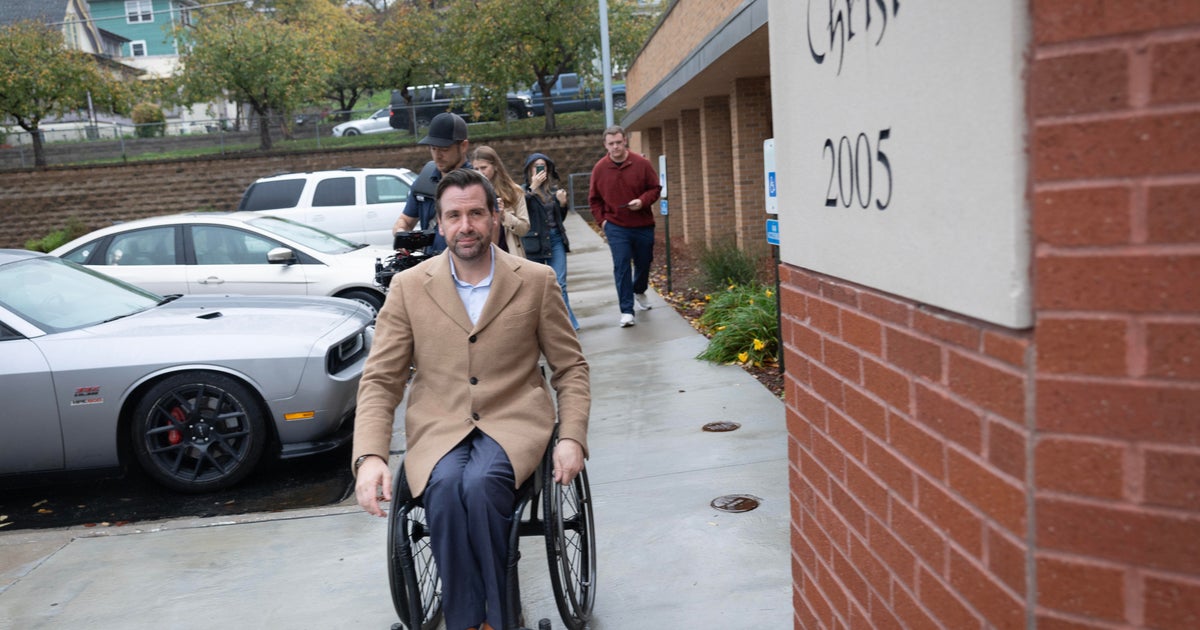
Turek’s biography reads like a modern American narrative of perseverance. Before entering politics, he excelled on the court as a wheelchair basketball player, a sport that demands both physical agility and strategic acumen. He later translated that discipline into public service, first as a state legislator and then as a candidate who positioned himself as a “common‑sense populist.” In campaign rhetoric, Turek emphasized pragmatic solutions over partisan rhetoric, appealing to voters who felt alienated by the extremes of both parties.
Across the aisle, Ashley Hinson brought a different kind of public‑face experience. A former television news anchor, she leveraged her on‑air familiarity into a political career that saw her serve as a state representative before winning a seat in the U.S. House. Her background gave her a polished communication style, yet the transition from local news to national politics placed her under a microscope, especially as she navigated the expectations of a Republican base still energized by former President Donald Trump.
” For a state whose economy is heavily tied to agriculture and manufacturing, trade disruptions can translate directly into farm income and factory jobs.

Josh Turek dunks GOP Rep. Ashley Hinson to give Democrats Senate control https://t.co/xK5fhRPJ5E https://t.co/Iy4Ipnn3q0
Former President Trump’s involvement in the Iowa race was unmistakable. He campaigned for Hinson, hoping to transfer his enduring grassroots support to the Senate contest. However, Despite Trump’s presence, his efforts “ultimately failed to turn the tide.” The implication is clear: the national figurehead’s endorsement was insufficient to overcome local dynamics and voter concerns that extended beyond party loyalty.
Two of the most consequential national policies of the Trump administration—his trade war and the conflict with Iran—loomed large over the Iowa electorate. The brief points to “the impact of President Trump’s policies, particularly his trade war and Iran conflict, on Iowa voters.” For a state whose economy is heavily tied to agriculture and manufacturing, trade disruptions can translate directly into farm income and factory jobs. Likewise, foreign policy entanglements, especially in the Middle East, can affect energy prices and, by extension, the cost of living for Iowans.
Hinson’s alignment with Trump on these issues proved to be a double‑edged sword. While it solidified her standing with the party’s base, it also exposed her to criticism from voters who were “struggling against national economic issues.” Turek, by contrast, framed his campaign around a centrist approach that sidestepped the polarizing rhetoric of the trade war and the Iran conflict, offering instead a platform of “common‑sense populism” that resonated with constituents seeking stability.
The immediate consequence of Turek’s victory was a decisive shift in the Senate’s composition. On November 4, the same day Iowans cast their ballots, Democrats secured a majority in the chamber. By November 5, the results were certified, confirming that Turek’s win had delivered the pivotal seat needed for Democratic control. This outcome marked the fifth Senate flip in recent years, underscoring a broader pattern of competitive races in states once considered safe for one party.
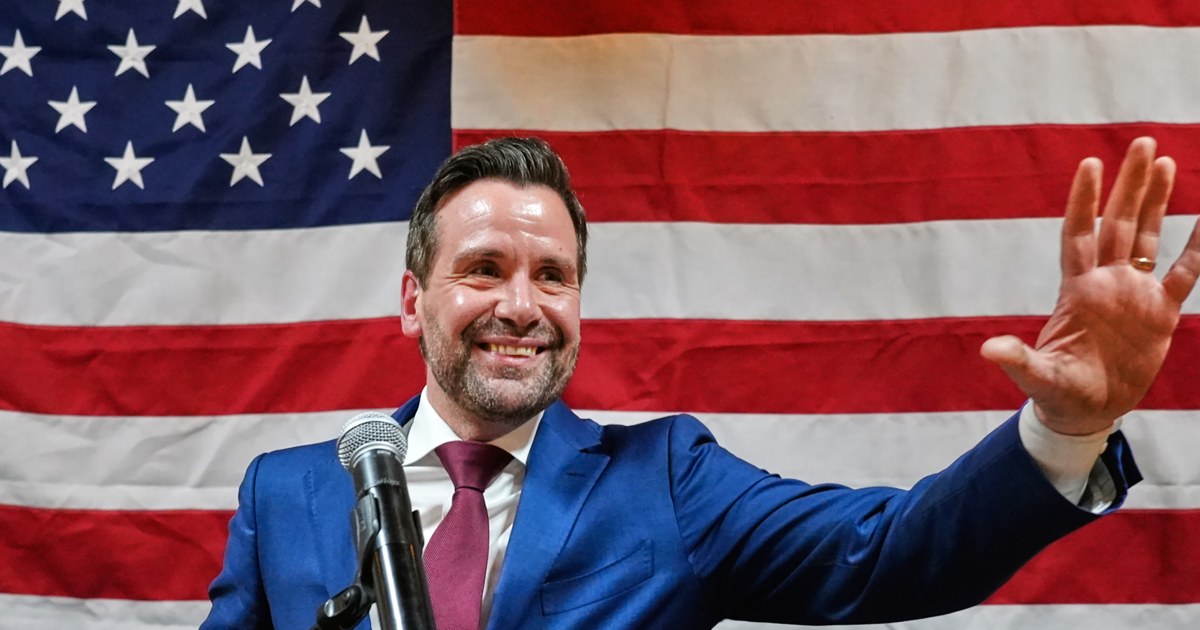
The new majority grants Democrats greater leverage over legislative agendas, committee chairmanships, and the confirmation of presidential appointments.
Yet Turek’s triumph suggests a nuanced electorate that can swing when national policies intersect with local concerns. The race illustrates how a candidate who blends personal resilience, legislative experience, and a centrist message can overcome the gravitational pull of a high‑profile endorsement.
For the Republican Party, Hinson’s loss serves as a cautionary tale about the limits of aligning too closely with national figures when local economic anxieties run high. For Democrats, the victory validates a strategy that emphasizes pragmatic populism over ideological purity, especially in swing regions.
As Washington recalibrates to a new Senate balance, the Iowa race will likely be cited as a case study in how economic policy, candidate background, and the weight of national endorsements converge to reshape political maps. The story of Josh Turek—a former wheelchair basketball player turned centrist legislator—now stands as a testament to the evolving dynamics of American electoral politics.